Screencap of Onion where some sort of scientist is announcing something in front of a Powerpoint slide of a clam
Last week, The Onion, a very serious journalistic publication, published a piece “Biologists Announce There Absolutely Nothing We Can Learn From Clams“. As a print subscriber I want to say I played a small part in this article, which I’ve actually hung on my office wall. But I want to take it a step further and write a line-by-line concurrence with everything they wrote!
WOODS HOLE, MA—Saying they saw no conceivable reason to bother with the bivalve mollusks, biologists at the Woods Hole Oceanographic Institution announced Thursday that there was absolutely nothing to be learned from clams.
Wow, I do know a researcher who studies clams at Woods Hole and actually love her work! Nina Whitney is now a prof at Western Washington University but until recently was a postdoc at WHOI studying how shells can serve as records of climate! I wonder who The Onion interviewed.
“Our studies have found that while some of their shells look pretty cool, clams really don’t have anything to teach us,” said the organization’s chief scientist, Francis Dawkins, clarifying that it wasn’t simply the case that researchers had already learned everything they could from clams, but rather that there had never been anything to learn from them and never would be.
Oh I don’t know a Francis Dawkins, but I’m sure they know their clams! It is true that their shells can look pretty cool. Bivalves include everything from Hysteroconcha dione, with its beautiful color and spines, to Tridacna gigas, which grows to 4.5 feet and weighs hundreds of pounds! And like an Onion, shells have growth layers, sometimes a new one every day, which someone could use to try to figure out how clams record what they eat and how the environment changes. But why would anyone do that?
Close-up view of a Hysteroconcha bivalve shell, showcasing its intricate ridges and coloration, and rows of long spines near the margin. Source
For me, I guess I haven’t learned anything from clams. I think I already knew in my heart that clams can live for >500 years. I already knew that mussels can filter several liters of water per hour, meaning that a colony of them can filter thousands of liters an hour. All this stuff is obvious, actually. Common sense.
“We certainly can’t teach them anything. It’s not like you can train them to run through a maze the way you would with mice. We’ve tried, and they pretty much just lie there.
It is ludicrous that clams could be taught anything or have anything approaching memory or thinking. It is only coincidence that scallops appear to clap their valves to swim, using their hundreds of eyes to navigate to a new location away from predators or toward food. It’s coincidence that they increase their feeding activity when shown a video of food particles. Some researchers have even claimed that giant clams can tell the difference between different shapes of objects! It is so dumb!
From what I’ve observed, they have a lot more in common with rocks than they do with us. They’re technically alive, I guess, if you want to call that living.
Also literally true! Their shell is a biomineral, in essence a living rock, made of calcium carbonate. They are alive in the sense they have a heart that beats, pushing hemolymph around their body. Their heart rate can increase or decrease with different stressors. Remember though, we always knew this. We didn’t learn it through something like science.
They open and close sometimes, but, I mean, so does a wallet. If you’ve used a wallet, you know more or less all there is to know about clams. Pretty boring.”
I myself have wasted time studying this. I attached sensors to giant clams to monitor their feeding activity. If I had learned anything, it might have been that they change their behavior between day and night, basking in the sun to help their photosynthetic algae in the day, and partially closing at night, with those behaviors changing based on how much chlorophyll is in the water. But remember! I didn’t learn it.
The finding follows a study conducted by marine biologists last summer that concluded clams don’t have much flavor, either, tasting pretty much the same as everything else on a fried seafood platter.
I can’t see how anyone would like to eat a bivalve. Especially not a fresh-caught scallop sauteed in butter or a plate of fried clams in New England. Never try that. Leave it to me!
Two giant clams near Eilat in the Northern Red Sea. To the left is the small giant clam, Tridacna maxima, and to the right is a mature individual of the rare endemic giant clam Tridacna squamosina, only found in the Northern Red Sea.
You are what you eat, and clams are too. We’re made of atoms, which come in “flavors” called isotopes, relating back to the mass of the atoms themselves (how many protons and neutrons they have). Nitrogen, for example, comes in two stable (non-radioactive) forms called nitrogen-14 and nitrogen-15. Much like scientists can track the composition of a person’s diet from the isotopes of their hair, researchers have used the isotopes of clams to figure out their diet.
Nitrogen isotopes provide us with a useful and detailed record of food webs. Plants and algae tend to have more of the light isotope of nitrogen in their tissues than the animals that eat them (primary consumers), and the animals that eat those animals have even higher nitrogen isotope values. We can measure the amount of “heavy” atoms of nitrogen with a unit called δ¹⁵N (“delta 15 N”). A carnivore at the top of the food chain will have a very high δ¹⁵N, while plants will be the lowest. Clams, typically being filter feeders, will usually have an intermediate value, since they’re eating a lot of phytoplankton (tiny microscopic floating algae) and zooplankton (animal plankton that eat other plankton).
But I study a special kind of clam, the giant clams, which have a cheat code enabling them to become giant: they have algae *inside* of their bodies. The algae make food using photosynthesis and share it with their hosts! In exchange, the clams provide the algae with a stable environment free of predators, plenty of fertilizer in the form of their own waste, and even channel extra light to help the symbionts grow faster. This partnership is called photosymbiosis, and is pretty rare in clams, though it is common in other animals like the corals that build the reefs where giant clams are found! Previous researchers have shown that giant clams have very low nitrogen isotopic values in their tissue, like a plant, because they get most of their nutrition from the algae, rather than filter feeding.
I am a sclerochronologist. That means I study the hard parts of animals, in this case the shells of bivalves. Like the rings of tree, bivalves make growth lines in their shells which can serve as a diary of their lives. Some of my past work has looked at using chemistry of the growth lines of giant clams to measure the temperatures they grow at, compare the growth of ancient and modern clams, and even look at how much the clams grow in a day! Today though, I’m talking about my most recent paper, which looks at how we can use the shells of giant clams as a food diary.
But when they’re babies, the symbiosis in giant clams is not yet fully developed. During this early period of their lives, giant clams actually get more of their nutrition from filter-feeding like a “normal” non-photosymbiotic clam, until they’ve had a chance to grow in surface area and become a living solar panel. Like all bivalves, the shells of giant clams are made of calcium carbonate, bound together by a protein scaffold we call the shell organic matrix. Proteins are made of amino acids, which contain nitrogen! If we can get the nitrogen out of the shell from the early part of the clam’s life, and compare it to the nitrogen at the end of the clam’s life, it might record the clam’s transition from filter feeding to its mature plant-like lifestyle! If our hypothesis holds, we should record a decrease through its life in the shell δ¹⁵N values.
A model I made of the clams’ nitrogen intake, with the left plot how they switch from filter feeding to getting most of their nitrogen from dissolved sources around 5-6 years of age. Because the nitrogen isotopes of those two sources are different, that manifests in the expected values from the clam’s body (the right plot)!
A map made by my talented partner, Dana Shultz!
So I gathered a team of talented collaborators and set out to test that hypothesis, using giant clam shells that I was able to get on loan from the Hebrew University of Jerusalem Museum. These shells had been confiscated from poachers at the Egypt-Israel border. While I would have rather known these clams were still alive in the waters of the Northern Red Sea, being able to use them for research to understand the biology of their species was the next best thing! I had originally planned on pursuing a postdoc undertaking this project with Rowan Martindale, a professor at UT Austin who has studied the nitrogen isotopes of photosymbiotic corals, but when I started up at Biosphere 2, we ended up continuing with the project anyway as a collaboration! We measured the nitrogen isotopes of the shell material in the lab of Christopher Junium, a professor at Syracuse University, who has developed an exquisitely sensitive method to measure the nitrogen from shell material by essentially burning the shell powder and then scrubbing out unwanted material to isolate the nitrogen, to measure the isotopes in a machine called a mass spectrometer. Katelyn Gray is a specialist in isotopes of biominerals and assisted with drilling out powder from the shells with a Dremel. Shibajyoti Das, now at NOAA, is a specialist in measuring the shell nitrogen isotopes of other bivalves and he was master at doing much of the mass spectrometer work, and assisting in interpretation. Adina Paytan is a professor at UC Santa Cruz. She first provided the funding and support for me to go to the Gulf of Aqaba and collect these shells as part of an NSF-funded student research expedition! She also provided environmental data which helped us to interpret what the clams were actually eating!
A figure showing the four shells we sampled from, with the sampling areas in each hinge area showing colored and matching with the corresponding isotope plot to the right (colored points). 3 of the 4 shells show declines in isotope values with age. Shaded ribbon behind the data shows the model output.
So what did our crack team of scientists find out? We found that three of the four tested giant clams did indeed measure a decline in nitrogen isotopes over the course of their lives. Their earliest growth lines in the hinge areas of their shells record elevated δ¹⁵N values similar to other filter-feeders from the region. But as they aged, their later growth lines show much lower δ¹⁵N values, more like photosymbiotic corals and plants from the region. So clams indeed recorded the transition in nutrition as they became solar-powered! This degree and directionality of change in nitrogen isotopes was much greater than has been observed in any other clams measured in this way, which made sense considering their unique physiology. The clams have another area of the shell, the outer shell layer, which is closer to the symbionts than the hinge area. In this outer shell area, we did not observe much of a consistent trend in nitrogen isotopes. It’s likely that the outer layer is highly influenced by the photosymbionts even at the earliest stages of life.
Growth lines in the hinge area of two of the shells lit from behind, with the drilled areas for this study visible as well. The outer shell layer is the opaque and was also sampled for this study.
There was one clam that differed from the others in showing low δ¹⁵N values through life in its hinge shell layer. To help explain these differences, I created an independent model of the clams’ internal chemistry based on their growth rate, which slows as they age, and also is faster in the summer. When the clams are young filter feeders, they get most of their nitrogen from plankton, debris and other material floating in the water column making up floating material we call Particulate Organic Matter (POM). Meanwhile, when they are in their photosynthetic life stage, they get most of their nitrogen from nitrate, which is essentially Miracle Gro for the symbionts. The model showed that the clams should record a flip from filter feeding to photosynthesis around 4-5 years of age, which was confirmed by three of the shells! But what about the one that didn’t show this trend? My colleague Adina had fortunately measured the isotopes of POM and nitrate in different seasons in the Gulf of Aqaba. We found that in summer, as expected, POM δ¹⁵N is lower than nitrate. In the winter, meanwhile, that relationship is flipped! So if a clam grew more in winter, it would not record the same transition as was seen by the other clams. We think the clam that was the exception to the rule might have been more of a winter grower.
The chaotic nutrient environment of the Northern Red Sea, showing how in different seasons, dissolved nitrate has higher or lower δ¹⁵N values than the Particulate Organic Matter that the clams filter-feed on.
But long story short, we were able to demonstrate for the first time that giant clams show nitrogen isotopic values in their shells in line with expectations from their diet. Other clams have been measured this way, but the fact that we were able to conduct these analyses at all is a testament to the sensitivity of the elemental analyzer in Chris’s lab. Giant clams have *very* low concentrations of organic matter in their shells, so the forward march of technology was a major factor enabling this study to be possible.
Why does it matter that we can measure the transition of the clams from filter-feeding to photosymbiotic in their shell records? Well, giant clams are not the only bivalves which have photosymbionts. There are other clams in the fossil record which have been proposed to have had symbioses with algae, but until now we’ve never had a definitive geochemical way to measure this in fossils. We hope that this approach can be applied to the organic material in fossil shells, which is often well preserved, to see if huge clams in the Cretaceous and Jurassic had a similar way of life to the modern giant clams! If we can demonstrate that was the case, we can see how such species responded to past intervals of climate change, which will help us understand how giant clams will fare in the warming, acidifying ocean of the present.
These results also help explain the lives of giant clams themselves. We hope this kind of data can be used to measure the symbiotic development of giant clams in different places, with different types of food and nitrogen available, where we’d have the potential to measure pollution. Interestingly, the time that the model shows the clams transitioning to photosynthetic maturity is right around the time that they reach reproductive maturity (5-10 years of age). We’d like to investigate whether the time of clam maturity is controlled by the development of their symbiosis, which itself might relate to nutrients in the clams’ environment. If clams can grow faster, then they can mature faster, and potentially reproduce sooner in life. Will giant clams be able to thrive in the presence of increased nitrate, which is a common pollutant in coral reef environments? Like all worthwhile research projects, we have dozens of new questions to pursue as a result of this work, so stay tuned for the next installment in this journey of clam knowledge!
Figure 1 from our paper, showing a comparison of a scallop, its growth increments and where it came from in France, to a giant clam shell section (dyed blue to show its growth lines), and where it came from in the Northern Red Sea
In 2020, I got an interesting email in my inbox from another mollusk researcher! Niels de Winter had emailed me, who I was familiar with from his past work on big Cretaceous rudist bivalves and giant snails. Niels had seen my paper published that year on giant clam shell isotopes from the Gulf of Aqaba in the Northern Red Sea, and was interested in teaming up on a new study to compare the daily growth of giant clams with another bivalve that has daily growth: scallops! I was intrigued because I had similar work underway to study the shells of clams I was growing at Biosphere 2, but I didn’t have any plans to measure my collected wild clam shells that way. So this sounded like a win-win opportunity to work together on a study that neither of us could do alone! Plus, I liked his work and had cited it in the past.
The shells of bivalves are very useful as each produces a shell diary consisting of growth lines, similar to the rings of a tree. Giant clams keep a very detailed diary, with a new growth line forming every night, which previous research has suggested was due to the control that the symbiotic algae inside giant clams have on their host. When the algae conduct photosynthesis, they use CO₂ in the fluid the clam makes its shell from, which increases the pH and accelerates the formation of the shell mineral crystals! The symbionts also directly assist by pumping calcium and other raw materials for the clam to use! Niels had found such daily lines in an ancient rudist bivalve from over 66 million years ago, and proposed it as a sign that the rudists might have had similar algae! I used the daily lines to compare giant clam growth before and after humans arrived in the Red Sea, finding that the clams are growing faster!
But it turns out that giant clams aren’t the only bivalves that make daily lines. Some species of scallops do it too, but that’s a bit confusing, since scallops have no symbionts that could be producing this daily growth period! One way we could investigate this is by bombarding the shells with very tiny laser beams only 20 µm across: the width of a hair is a flawed unit of measurement but 20 microns is as narrow as the narrowest type of hair you can think of! The laser would carry across the cross sections of the shell in a line, literally burning away tiny bits of shell, with the resulting gases captured by a machine called a mass spectrometer, which can figure out the concentrations of elements in the gas.
So we’d basically create a very detailed wiggly graph, where the wiggles represent years, months, days and even tides, depending on how fast the clams and scallops grew! I’m happy to report the paper was published earlier this year, so I thought I’d switch it up a bit and have a conversation with Niels through this blog post. Let me open it up to Niels, who I decided to bring in for this post in a kind of conversation!
Niels, what did you expect to find heading into this experiment? For me, I figured the giant clams would have greater amplitude of variation on a daily basis than the scallops, due to the influence of the symbionts. Is this what you expected? More or less. To be honest, that is what I was hoping to find, because if the daily lines were so much stronger in photosymbiotic shells than in the non-photosymbiotic scallops, it would make it easier to recognize photosymbiosis by studying modern and fossil shells. Also, a finding like that would obviously support the hypothesis we had about the ancient rudist bivalve. However, I was a bit skeptical as to whether the reality would be so clear-cut.
I mailed samples from six juvenile giant clams to Niels for analysis. We went with juveniles for a couple reasons: they grow faster at this life stage than they do as adults: 2-5 centimeters per year for the species we were studying, which meant the greatest opportunity to record a very detailed record from their shells! Scallops also grow extremely quickly, up to 5 cm/year, and so we would be able to get a similar resolution for both types of bivalves, since each page in their diaries would be a similar width.
When I start a new study like this, I always like to “outsource” the expertise about the topic a bit. Our work in sclerochronology often involves bringing together several fields of research and interpreting the results of complex measurements like these requires input from several people who look at them from different viewpoints. I had just finished a research stay at the University of Mainz in 2019, where I worked with Bernd Schöne and Lukas Fröhlich. I know Lukas was working on scallops together with Julien Thébault, whose team collects them alive in the Bay of Brest and keeps a very detailed record of the circumstances the scallops grow at. To carry out the laser measurements, I needed geochemistry experts, and Lennart de Nooijer, Wim Boer and Gert-Jan Reichart came to mind because I was already working with them on other topics and they run a very good lab for these analyses at the Royal Netherlands Institute for Sea Research (NIOZ). This is how the team came together.
Niels conducted a series of laser transects across the clam shells. He used some sophisticated time series analysis approaches to try to quantify the different periodic cycles that appeared in the clam and scallop growth. This was a different approach to how other workers have gone about finding daily growth cycles in giant clams and scallops, where they have often started by zooming in to find the wiggles, and work backwards from there. Niels instead tried to agnostically dissemble the growth records across each clam shell using mathematical approaches, based on the idea that this would be how future workers have to go about identifying daily growth patterns in fossil clams, where we often don’t have a real “growth model” up front to work with. By growth model, I mean the way that we convert the geochemical observations, which are arranged by distance along the shell, into units of time, which requires us to know how fast the clams grew. For the scallops, the age model was made by counting daily “striae” they form on the outside of their shells. For the giant clams, I helped with this by counting tiny growth lines inside the shell made visible by applying a dye called Mutvei’s solution. Because the growth lines weren’t visible all the way through the shell, I used a von Bertalanffy model to bridge across and create a continuous estimate of how old the clams were at each point along their shells.
Niels found some interesting results! I personally expected that the daily variation in giant clams would dwarf what was seen in the scallops, because of the impact of the daily activity of the symbionts. But it turned out that while the clams had a more regular pattern of daily shell growth than the scallops, likely controlled by the symbionts, that was still a minority of the variance across the clams’ records. Yet again, these clams destroyed my hypothesis, but in an interesting way!
Niels, what were your expectations going into this, and how did the results confirm or go against your hypotheses? What challenges did you run into in the course of your analysis, and how did you end up addressing those challenges?
This was honestly one of the most difficult shell-datasets I have worked with so far. The laser technique we used measures the elemental composition of the shells in very high detail, but while this is ideal for funding daily rhythms, it is both a blessing and a curse! In a dataset like this it becomes quite hard to separate the signal we are interested in from the noise that occurs due to measurement uncertainty. I ended up using a technique called spectral analysis, which is often used to detect rhythmic changes in successions of rocks. I guess this is where my geology background was helpful. With this technique, we were able to “filter out” the variability in the records of shell composition that happened at the scale of days and tides and remove the noise and the longer timescale variations. It turns out that, when you do this, you have to remove a surprisingly large fraction of the data, which shows us that the influence of the daily cycle on the composition of both the scallops and the clams is not very large (at most 20%). We did find a larger contribution in the giant clams, as expected, but the difference was much smaller than anticipated. I also find it interesting that most of the variability was not rhythmic. This shows that there are likely processes at play that control the composition of shells on a daily basis which we do not understand yet.
We were measuring a suite of different elements across both bivalve species, including strontium, magnesium, manganese and barium. All of these were reported relative to calcium, the dominant metal ion in the shell material (they’re made of calcium carbonate). This is why we call them “trace” elements; each is integrated into the material of the shell due to a variety of causes, including the temperature, the composition of the seawater, the growth rate of the clams, and also simply due to chance.
Examples of the time series of trace elements from a scallop shell (to the left) and giant clam (to the right), showing the very intricate wiggles in trace element values on a on a tidal and daily basis in each bivalve
In the giant clams, the elements that varied most on a daily basis were strontium and barium. Prior workers had found strontium was the strongest in terms of daily variation, but barium was more unexpected! Normally, barium is thought of as a record of the activity of plankton in the environment, and since there is very little plankton to be found in the Red Sea, it was not expected to see that element vary on a daily basis. It could be that barium gets included in the shell more as a function of the growth rate of the animals. Meanwhile, the scallops (from the Bay of Brest in France) were measuring strong tidal variability in barium and strontium, which makes sense because that location has huge tides compared to the Red Sea. Tides happen on periods of ~12.4 and 24.8 hours. The scallops showed swings lining up with both, and the tidal variability might be the main explanation for how scallops form daily lines. Because the lunar day is so close to a solar day, they would be hard to tell apart from each other! Interestingly, the giant clams also showed some sign of a ~12 hour cycle. While the Red Sea has pretty tiny tides, I had noticed that some of the clams make 2 growth lines a day, and if some clams in the shallowest waters were exposed on a tidal basis, that could explain why they’d make 2 lines: one at low tide, and one at night! Even in places without tides, like the Biosphere 2 ocean, I’d noticed evidence of 12-hour patterns of activity in the clams. It’s so nice (and rare!) when one of my hypotheses is confirmed!
A nice schematic Niels put together showing all the environmental factors that influence the shells of scallops and giant clams, and how much different elements vary as a function of sunlight, tides and other more irregular events like storms. Mn stands for manganese, Ba for barium, Sr for strontium and Mg for magnesium.
Both the giant clams and scallops recorded large irregular swings in all of the studied elements, likely due to non-periodic disturbances. In the case of the scallops, these included storms and the floods of sediment from rivers. For the giant clams, these probably included algae blooms that affect the Red Sea, as well as potentially dust storms that also come every 1-2 years. Both giant clams and scallops have a lot of potential to measure paleo-weather, which is something that other researchers have observed as well!
Niels, where do you see this work heading next?
The recent work looking at very short-term changes in shells is very promising, I think. I agree that there might be a possibility to detect weather patterns in these shells, but that would require some more work into understanding how these animals respond to changes in their environment on an hourly scale and what that response does to their shell composition.
In the meantime, I was intrigued to find that we were not the only people looking for daily cycles in the chemistry of giant clam shells. I had the pleasure of reviewing this paper by Iris Arndt and her colleagues from the university of Frankfurt (Germany). Iris took a similar approach to detecting these daily cycles by using spectral analysis, but she a smart tool called a “wavelet analysis” to visualize the presence of daily rhythms in the shell, which I think was more successful than my approach. She even wrote a small piece of software which can be used to (almost) automatically detect the days and “date” the clam shell based on them. This is quite a step forward, and if I were to do a project like this again, I would certainly try our Iris’ method.
Interesting, too, is that the fossil giant clams studied by Iris showed the daily cycles in magnesium concentration instead of strontium and barium. This shows that the incorporation of trace metals into clam shells is still not fully understood. So one of the things to do, in my opinion, would be to try to see if we can use shells grown under controlled conditions to link the shell composition to short-term changes in the environment. This would require a complex experimental setup in which we simulate an artificial day and night rhythm or an artificial “storm”, but I think it can be done using the culture experiments we do at the NIOZ.
This study represented a unique opportunity to collaborate with my colleague Niels on a topic that interested both of us, which we wouldn’t have been able to pursue on our own. I enjoyed collaborating with him on this work and we have some ideas for further studies down the road, so stay tuned for the next co-clam-boration!
Every clam is a door into the sea. If the “door” of its shell is open, the clam may be happily breathing, or eating, or doing other weirder things. If the door is closed, it may be hiding from a predator, or preventing itself from drying out at low tide, or protecting itself from some other source of stress. It turns out that by monitoring the opening and closing of a clam’s shell valves, a field called valvometry, scientists can learn a lot about the clam’s physiology, its ecology and the environment around it.
Valvometry involves attaching waterproof sensors to each shell valve of the bivalve, to measure the distance between them and their movement. Researchers have used valvometers to figure out that bivalves can be disturbed by underwater pollution like oil spills, harmful algal blooms, and more unexpected sources such as noise and light pollution.
A great video from Tom Scott discussing a Polish program to monitor water quality with valvometry
Giant clams are a group of unusually large bivalves (some species reach up to 3 feet long!) native to coral reefs of the Indo-Pacific, from Australia to Israel. They grow to such large size with the help of symbiotic algae living in their flesh, the same kind that corals partner with the corals that build the reefs. The algae photosynthesize and share the sugars they make with their host clam, and the clam gives the algae nitrogen fertilizer and other nutrients, a safe home from predation and even helps channel light to the algae using reflective cells called iridophores.
A Tridacna derasa clam in the Biosphere ocean. It has deep green flesh, covered with yellow stripes of iridophores and a blue fringe at the edge.
Previous studies have used valvometers on giant clams, but I was always perplexed by how few studies there were: only two that I know of! One study on clams in New Caledonia figured out that the clams partially close every night and bask wide open during the day. The clams’ shell opening behavior and growth was found to become more erratic at temperatures above 27 °C, and when light levels become too great. Another study showed the clams start to clam up when exposed to UV light to protect themselves from a sort of sunburn, which is a real threat in the shallow reef waters they live in.
Two clams sitting next to each other in the B2 ocean. They often moved themselves to “snuggle” next to each other this way. Safety in numbers!
There is clearly a lot of information to pick up about how clams react to their environments, which can help us understand the health of the clams and also the corals around them. Coral reefs are under global stress from climate change, overfishing and pollution. Giant clams are some of the most prolific and widespread bivalve inhabitants of reefs, and represent an appealing potential biomonitor of reef conditions. Many giant clam species are threatened by the same stressors that influence the corals which build the reefs they live on, as well as overharvesting for food and their shells. For that reason, wild examples should clearly not be bothered by applying valvometric sensors. But giant clams are increasingly grown for the aquarium trade, resulting in a wealth of cultured specimens which could serve as sentinels of reef health, if they were fitted out with sensors. All of these motivators made me more and more curious of why we don’t have more literature monitoring the behavior of these clams with valve sensors.
I wondered if one of the limiting factors preventing the use of valvometry on giant clams is expense and ease of access. Giant clams live primarily in regions bordering developing countries in the Indo-Pacific, and almost all the professional aquaculture of clams for the reef trade happens in such countries, including places like Palau, Thailand, and New Caledonia. These countries are far removed from the places where most of the proprietary valvometric systems are manufactured. These systems can cost several thousand dollars even in Europe, never mind Palau, where arranging the import of electronics can be difficult.
When I started my postdoctoral fellowship at Biosphere 2 in 2020, I set out to grow two dozen smooth giant clams (Tridacna derasa, a species which can grow to about 2 feet long) in the controlled environment of the Biosphere 2 ocean, a 700,000 gallon (over 2.6 million liter) saltwater tank used to grow corals and tropical fish and kept at a stable year-round temperature of 25 °C. We suspended a series of LED lights intended to simulate the powerful light levels these clams experience in the wild (light is a lot brighter in the tropics than it is in Arizona!). The main focus of my project involved measuring the shell chemistry of the clams, to determine how their body chemistry changed as they grew from mostly getting their energy from filtering algae food from the water like other clams, to getting most of their energy from sunlight like a plant. But as a “side project” I set about measuring the behavior of the clams with custom-built valvometers based on open-source, inexpensive hardware that would be more accessible to researchers in the developing world. That work has since been published in PLoS One!
In our design, we used Hall effect sensors. Hall effect sensors generate a voltage when a change in magnetic field is detected. They are cheap, easily obtained for less than $1.50 apiece and are common in the electronics hobby trade. You might have encountered one in a home security system door/window sensor, where they help detect if a door is open or shut. We stuck a hall sensor soldered to a long copper cable to one valve of a clam, and a small magnet to the other valve. When the clam closed, we could measure exactly how closed it was. You can see why I started off by calling clams doors into the sea: we were literally measuring them that way!
Showing the sensor soldered to the three strands of the cable.
But here the first challenge of my project appeared. The off-the-shelf Hall sensors don’t come in waterproof form, and I learned quickly that the ocean really, really loves to break my gear. After dozens of failures, I settled on coating the sensors in waterproof grease, wrapping that in heat-shrink tubing and then sealing that inside of aquarium-grade silicone. During this process, a gifted technician at Biosphere 2 named Douglas Cline helped with iterating on the first prototypes. At a certain point I taught myself to solder so I could do my part to improve the sensors.
It was also hard to figure out how to attach the sensors and magnets to the clams in a durable way. Neither of the prior studies mentioned how they attached the sensors to giant clams, and I tried and failed with literally a dozen different ways before settling on “pool putty,” a two-part adhesive often used to seal leaks in pools that can cure underwater. I found the pool putty had trouble attaching to the clams’ shells on its own, so I combined it with a special kind of cyanoacrylate superglue called “frag glue,” often used to attach pieces of corals to growth stubs. I also had to find a way to attach it to the clams without stressing them out. I determined five minutes out of the water was enough time to get the sensors attached to the clams, after which they could be returned to the water to finish curing. While giant clams are adapted to spend extended periods out of the water in their natural intertidal environment, we wanted to make sure to minimize their stress however possible, to ensure they would show natural cycles of behavior in the data.
Figure from the paper showing: A) schematic of the sensor attached to the clam, linked to an Arduino microcontroller and Raspberry pi computer. B) A sensor attached to one of the clams
We were pleased to see the cyborg clams seemed to pay no mind to the sensors. Giant clams are adapted to encourage all sorts of other critters to live on their shells as a form of natural camouflage, and I think the clams interpreted the sensors as pieces of coral or anemones sticking to the side of their shell. Whatever the case, as long as we kept the cable pointing to the side away from the clams’ flesh, they opened five minutes after being returned to the water, and their behavior and growth rates were indistinguishable from the clams that didn’t have sensors attached.
One of what became many sunsets on the Biosphere 2 ocean shore troubleshooting the clam sensors! Pardon the chaos: mad scientist at work!
So how did we measure the voltages coming from the sensors? Our design featured an Arduino microcontroller, sort of like a smart circuit board which can measure the voltages coming back over the copper cables. Arduinos are very cheap, and we chose a $25 model. Even more importantly, Arduino has a huge library of plug-ins available to keep the exact time of each observation using a clock attachment, and the data can be uploaded to SD cards or an attached computer. For the attached computer, I used a Raspberry Pi computer, which are open-source Linux-based tiny computers that are very cheap! Or rather they were very cheap before the pandemic, but fortunately there a lot of open-source alternatives that can be obtained more cheaply. We logged the data on the Raspberry Pi as it rolled over from the Arduino, and I could watch the read-out on a monitor right on the Biosphere 2 beach. We set the Arduino to record every 5 seconds.
Sensors attached to four of the clams. Notice the one on top left has closed a bit, after sensing my presence! They have eyes so they were able to detect me 😀
We ran the sensors for three months. During that time, the baby giant clams grew almost an inch! What did the sensors record them doing? During the day, the clams basked wide-open, exposing as much of their tissue as possible to light (other than the times that I disturbed them by swimming above them, of course)! This schedule of opening aligned pretty closely with the times that maximum sunlight hit their part of the Biosphere 2 ocean: the mornings, because the clams were on the east side of the building. At this time of day, the clams want to expose their symbiotic algae to as much light as possible, so they can conduct photosynthesis and make sugars that the clams use as food!
A) Plot of the valvometry data. Points higher on the plot mean the clam was more closed, up to 100% closed. The clams proceeded by opening in the early morning and then closing in the early afternoon. The big red circles represent times that the clams closed briefly, with bigger circles representing a longer time spent closed. Most of these rapid closures happened at night. B. A plot of Photosynthetically active Radiation (the amount of light the clams had to use for photosynthesis). The highest values were in the mid-morning when the clam lights were running in combination with direct sunlight hitting them from above.
Around mid-afternoon, the clams started to close partially, to about half closed. Why might that be? My hypothesis is that this posture represents a kind of “defensive crouch” to protect themselves from predators, in this case fireworms that live in the Biosphere 2 Ocean and were constantly kicking the clams’ tires. Similar nighttime behavior was observed in wild clams in a previous study, but not in a study that took place in a small predator-free terrarium tank. By remaining partially closed, the clams are prepared to rapidly close completely if they feel a predator approaching. But they only expend that energy of staying in that posture if predators are around!
One of the fireworms that proved to be my nemesis and continually attacked the clams during the experiment
And approach the fireworms did. We observed frequent closures at night lasting anywhere from a few seconds to hours, likely partially related to the activity of the worms around the clams. But the clams were engaging in another activity at night: filter feeding! Giant clams really get to have their cake and eat it too, because during the day, they act like a plant, but at night, they eat other plants in the form of plankton that they filter feed out of the water using their gills! At regular intervals, the clams need to clear uneaten material from their gills in a process sometimes called “valve-clapping”. The clams yank their shell valves together rapidly to force water out, blowing out pseudofeces: unwanted material packaged with mucus. We measured this valve-clapping mostly at night. The clams are likely scheduling this activity for the night-time so they can prioritize staying open and filter feeding during the day!
Figure comparing how often clams closed per day to measures of how high plankton numbers were in the Biosphere 2 ocean (chlorophyll is a marker of phytoplankton while phycocyanin is a measure of cyanobacteria), and how high the light levels were. Peaks in closure activity often happened shortly after rises in algae.
We observed that the frequency of valve clapping aligned closely with the rises and falls of chlorophyll concentration in the Biosphere 2 ocean, which is a measure of how much plankton is in the water column. The clams would engage in a burst of valve clapping around 4 days on average after a bloom in chlorophyll, suggesting they were filtering out plankton after they had died and settled to the bottom where the clams could eat them. We also found that the clam’s filtering activity peaked at times of highest pH. This likely is due to the fact that higher pH means the algae around the clams are being more active, and pulling CO2 in from the water to use in photosynthesis, making the water less acidic. More photosynthesis means potentially more material for the clams to filter through! This data helps quantify how giant clams help filter the water in their native environments! Coral reefs depend on very clear transparent water to allow maximum sunlight to reach the corals, and the filtering activity of giant clams likely plays a big role in helping preserve those conditions!
So we found that by adding sensors to clams, we could record their ability to feed from the sun, their feeding on plankton around them and their avoidance of predators. How can this technique be used next? We hope that by using cheap off-the-shelf resources and open-source software, we can enable more sensors to be put on clams all over the world, such as places where giant clams are farmed in Palau, New Caledonia, Thailand, Taiwan, Malaysia and more! If we can collect data on clam activity from all these places, we can compare how their feeding patterns differ in places that have more or less plankton floating by, or have more or less sunlight available, or different predators that affect the clams’ behavior. This data would have importance to the clams’ conservation, as well as our understanding of the reef overall. In future years, I hope we can develop a global network of cyborg giant clams from the Red Sea to the Great Barrier Reef, so we can better understand how these oversized and conspicuous but still mysterious bivalve work their magic!
The tree of life is often portrayed as a neatly branching structure, with each division point cleanly delineated and separated from its neighbors. The truth is that the various twigs of the tree of life often overlap and become tangled in a process we call symbiosis. I’ve talked about symbiosis before on this blog, which falls along a spectrum of wholesomeness. At one end we have mutualism, a partnership where both organisms benefit and achieve more than the sum of their parts. The other extreme is parasitism, when one organism benefits at the expense of the other. Between the two, there is a broad gray area including commensalism, when one organism’s presence doesn’t necessarily cost or benefit the other in any way. The tree of life is crowded and unpruned, and so sometimes the twigs might wrap around each other quietly and without much fuss. We live on a small planet, and have had to get used to living in uncomfortable intimacy with all sorts of creatures, such as the mites that are living on your eyelashes right now.
But things start to get really weird and tangled when the tree of life loops over on itself twice, or three times, or more. “Three-way” symbioses are surprisingly common, and the more you look for them, the more you realize that the tree of life is more of a knot than anything else.
A view of the Heteropsammia coral from the side
A recent paper from researchers in Bremen (Germany) and Saudi Arabia looked at such a three-way symbiosis between a coral, a worm and bivalves found off of Tanzania in East Africa. The relationship between solitary corals (Heteropsammia cochlea and Heterocyathus aequicostatus), a sipunculan worm (Aspidosiphon muelleri muelleri) and the clam Jousseaumiella, is a complex triangle of dependencies that had previously been noticed by other researchers, but never investigated at great depth. The worm lives with multiple tiny clams attached, all inside of a small solitary coral the size of a dime (1 cm long). Is the coral a willing host for this crowded boarding house, or has it been parasitized? Does the worm gain anything from the clams? The researchers sought to find out.
Part of the reason I enjoyed reading this study so much was that it had to take a narrative structure to describe the evolutionary ménage à trois of its focus. So much of modern science has moved away from anecdote to hard data, and while there is plenty of that to find in the study, it turns out that a lot of the study of symbiosis is storytelling. We need to know the setting and the characters.
In this case, the main characters are small solitary corals living in the tropical reefs of the Indo-Pacific. We denote them as solitary to distinguish them from their giant colony-forming compatriots that construct the coral reefs currently threatened by climate change and pollution. But like those giant reef-builders, these solitary corals get much of their food from sunlight through a mutualistic partnership with algae called Symbiodinium. The algae provide the host with sugars and other photosynthetic products, and the hosts give them nutrients and a safe cozy home in their tissue.
You might be thinking, “Wait! Dan just said this was a three-way partnership between a coral, a worm and some clams. So this is actually a four-way partnership between corals, worms, clams and algae?” You’d be exactly right. And I’m happy to say that the plot of this sordid story is about to thicken even further.
The side of the coral. See the little pores?
The Aspidosiphon worm is found in a spiral-shaped burrow inside of the skeleton of the coral. It is a pretty cozy home, with walls made of calcium carbonate by the coral, with breathing holes in the sides to allow the worm to breathe and release waste. The researchers wanted to know more about the structure of the burrow. Was it dug out by the worm using acid or an abrasive motion, like some clams use to dig into coral? So the researchers essentially gave the coral a CT scan to see its 3D internal structure. Inside they found growth features suggesting the coral grew around the worm, as if intentionally providing it a home.
Cross-sectional CT scans of the coral skeleton. In figure D, you can see the silhouette of the chambers of the snail shell where the worm made its first home!
Even more crazily, they found evidence that the worm had first settled inside an empty snail shell, like a hermit crab! The coral probably settled on a snail shell as a larva, and grew to engulf the whole snail shell, leaving growing space for the worm inside, with windows and all! So to review, this is now a five-way symbiosis between a dead snail, a worm that moved into its empty shell, the coral (powered by algae) that grew around it and encased the snail shell within its skeleton, and we haven’t even gotten to the clams. How many creatures are hiding stacked in this trench coat? Please bear with me as I explain!
An SEM image of Jousseaumiella. These are less than 1 mm long! Pinhead sized!
What are the clams doing in this picture? Jousseaumiella is part of a family of clams called Galeommatidae, which we previously mentioned on this blog in the context of some bivalves found growing in the gills of unfortunate sand crabs. Many members of the Galeommatidae family are parasitic or commensal with other marine organisms. In this case, Jousseaumiella are tiny flat-bodied clams less than 1 mm long, found attached to the body of the worm, squeezed inside the burrow in the coral’s skeleton. It feeds on the worm’s waste and potentially food particles coming through the pores in the sides of the burrow. Not the most dignified existence, but a more mobile home means more opportunities to eat a varied diet similar to that that the worm and coral are seeking out, and the clam also gets protection from predation tucked inside the coral. It is unclear if it benefits the worm directly to have clams attached to it.
A time lapse of the coral+worm moving from the paper’s supplement! It would be handy to navigate to greener pastures, if it became too muddy in a certain place!
It is, however, clear how living inside a coral would be a pretty good deal for the worm, which gets a stable, protective suit of carbonate armor to protect it from predators, and grows to fit it as it gets larger. They are normally found inside of rocks, shells and other hard inanimate objects, but having a living home is a cool upgrade. What is the coral getting out of the deal? The researchers note that the corals are often found in the crevices between other large reef-building corals, in areas of the reef that receive high supplies of nutrients and turbidity (dirt that blocks out light). These sorts of environments aren’t necessarily friendly places for a coral to be, since they reduce the light and therefore the food that the coral can receive from photosynthesis. These crevices also have a lot of variability in other conditions like temperature and water flow. But because the coral has hitched a ride on the back of a worm, it can actually move in the sediment to react to changing conditions and avoid being buried by piles of sediment floating by! The worm can also act as a sort of anchor preventing the worm from sinking in the sediment underneath, which would be a big hazard for the small, stubby coral on its own. The coral seems to go to great pains to make its partner comfortable, not growing its skeleton to cover the pore windows to the outside. The researchers note that as coral reefs worldwide are subject to increasing human-made pollution and climate change, it would be interesting to research whether this complex three-(five?) way symbiosis provides the various participants with an advantage compared to other corals.
So like any good story, this symbiosis features complex, growing characters, a dynamic setting, and still plenty of mystery demanding a sequel! To that end, there are lots of other great three-way symbioses to investigate. Snails which farm fungus that parasitizes plants. Bryozoans living on snail shells that have a hermit crab inside. Gobies serving as lookouts at the entrances of burrows built by shrimp, with a crab freeloader along for good measure. Algae and bacteria teaming up to attack mussels. The list keeps going! I could see this becoming quite a franchise!
I am now several months into my postdoctoral fellowship at Biosphere 2 in Oracle, Arizona! I am working with Professor Diane Thompson on a project measuring the shell and body chemistry of giant clams in Biosphere 2’s huge reef tank. Our goal is to find better proxies (indirect ways of measuring) the symbiosis of these clams with the algae they farm within their bodies. The controlled, closely monitored conditions of the Biosphere 2 ocean tank represent the perfect balance between the real ocean and the more controlled environment of a lab. Using trace metals and isotopes in their shells and tissue, we can trace back the ways that clams record their own internal biology. Wild giant clams make chemical records via the growth lines in their shells, similar to tree rings. These have been the subject of many cool past studies, but there are aspects of the “language” they use to write their shell “diaries” that are poorly understood. Much like researchers used the Rosetta Stone to decode heiroglyphics, we are observing clams as they grow in order to better translate the shell diaries of their prehistoric ancestors. Doing so, we can better understand how their ancestors reacted during past periods of climate change, and identify similar bivalves in the fossil record which may have harbored symbionts.
A view of the ocean tank at Biosphere 2
I started my postdoc remotely in May. The following months were spent sheltering at home in Southern California with my mom, supervising the installation of a cohort of giant clams into the 700,000 gallon ocean tank over Zoom. It felt like a science fiction movie, watching technicians Katie Morgan and Franklin Lane from hundreds of miles away on my computer screen as they nurtured and installed the little clams in their new home. I felt like Mission Control back on earth, watching a group of space colonists work with strange alien creatures.
Some of the T. derasas in the Biosphere tank
But in August I was able to finally move to Tucson to meet these clams in person! We had three species in the first batch: Tridacna derasa, T. squamosa and T. maxima. Of the three, T. derasa (the smooth giant clam) has proven to be the most successful in the Biosphere 2 ocean tank. All of the derasa clams from May have survived and thrived, attaching themselves to the bottom with byssal threads and growing their shells, both very positive signs of clam health!
Some of our newer batch of T. derasa in the quarantine tank
So we have doubled down on T. derasa and installed 11 more individuals last week, sourced from Palauan clam farms via a reef supply company in Florida called ORA. They are currently in a shallow quarantine tank where we will monitor them for disease and unwanted hitchhikers before introducing them to the broader Biosphere tank.
The workers at Biosphere 2 are very creative problem solvers. Giant clams need intense amounts of light to sustain their symbiotic algae and create food for themselves, a quantity of light higher than is available in the current Biosphere tank. To provide a light supplement, the engineering team at Biosphere 2 constructed a floating lighting rig with hanging LED lighting, right over the lagoon where we have the clams!
The lighting rig glows with a blue light as the sun goes down outside the Biosphere
To make sure the clams have enough light, we installed a Li-Cor light sensor to measure the exact amount of photons (light particles) hitting the clams over the course of a day. The light is measured in units of micromoles of photons per meters squared per second. A mole is 6.02 * 1023 particles, and other clam experts like James Fatheree have suggested that the clams need light levels of at least 200 micromoles/m2s to make enough food for themselves. That’s 120,400,000,000,000,000,000,000 light particles we need to hit every square meter of their habitat every second. The clam channels as many of those photons as it can to its algae residing within tubes in its tissue. The symbionts use it in photosynthesis to make sugars, which they share with their host. A well lit giant clam is a happy, well-fed giant clam! But because the glass dome of Biosphere eats up some of the light, and plankton and floating particles in the seawater eat up another portion, we use the lights to make sure the clams have the boost they need to maintain their symbiosis like they would in the clear, shallow waters of a tropical coral reef.
The Li-Cor sensor floats above the clams, telling us how much light they’re getting
Much like a new dad might read parenting books to get ideas for baby care, I am always poring through the literature trying to figure out how to maximize the growth of these clams. Dr. Fatheree is kind of like Dr. Lipschitz from Rugrats, except unlike the suspect childcare advice in the show, this real-life giant clam advice is very valuable. Like human babies, these clams can be a challenge! The clams sometimes decide to move around and get themselves into trouble, requiring us to rescue them if they get trapped behind a rock or under a pile of sand. So I have had to do a fair amount of clam-herding during my time here.
We are growing the clams for science, and there will be data to collect. We will be monitoring data like the trace metal chemistry of the clams’ tissue and shells, the color of their mantles, and the pH, temperature and oxygen levels of their environment, all to relate together to make the best clam record of their environment possible. So far, I have been snorkeling in the tank every couple days maintaining their setup. Next week, I will dive in the Biosphere tank for the first time to collect data on their shell chemistry! I have other projects in the works to measure their valves opening and closing using magnetic sensors, and to measure their color changes through time through computational photography.
That brings me to what I’ve found to be the coolest part about Biosphere 2: the people. Something about this place attracts creative, brilliant, can-do people who solve problems on the fly and are always jumping into the next project. It has been a privilege to learn and pick up technical skills from them in the brief time I’ve been here. This place is really like a space colony out of The Expanse or Silent Running. There are endless valves, pipes, tanks, exchangers and other hardware needed to keep Biosphere 2 running. Getting to witness the technical competence behind the whimsical solutions the staff comes up with, like the floating light rig, has been the most exciting part of this job for me. Everyone has a deeply ingrained curiosity and passion for science that is inspiring to see; they are as interested in my clams as I am in their corals, tropical plants, and geochemical experiments. I would argue that the human team behind Biosphere 2 is a bigger treasure than the unique metal-and-glass structure they work under, and I look forward to seeing the results all of the collaborations we have in the works!
When I mention to people that I study bivalves, I can sometimes sense from their facial expressions that they are secretly asking “why?” While clams are perfectly content to keep doing what they’re doing without being thanked, I think it’s important to enumerate all of the ways they make our world more livable and functional.
Various roles that freshwater mussels can play in their local food webs (Source: Vaughn and Hoellein, 2018)
Bivalves are ecosystem engineers. While they may seem rather stationary and not up to much at any particular time, they are actually always working to actively maintain their habitat. The majority of clams are filter-feeders, meaning that they use their gills to gather particles from the water column for food. Some of these particles are ingested as food and later pooped out. Some inedible particles are discarded immediately by the clam as “pseudofeces”. Both mechanisms serve as a bridge between the water column and the benthos (the sediment at the bottom). In this way, clams are engines that take carbon fixed by algae floating in the water and transfer that material to be stored in the sediment. Their bodies also act as nutrition to feed all sorts of animals higher on the food chain like sea stars, lobsters, seabirds, sea otters and humans that depend on bivalves as food. They are literally sucking up the primary productivity (algae) to be used by the rest of the food chain.
The filtration rate of oysters. Graphic from The Nature Conservancy
Different clam species vary in their precise filtration rate (how fast they can inhale and exhale water, filtering the particles within), but it is prodigious. Some freshwater mussels, for example, can pick-through 1-2 liters of water per hour for every gram of their own flesh. Since these individual bivalves can weigh over 100 g, they are capable of picking the food out of an immense quantity of water. In doing so, bivalves help improve the clarity of the water column, allowing more sunlight to reach deeper into the water body (the photic zone), providing more energy for additional photosynthesis to occur. While there are examples where invasive bivalves such as zebra or quagga mussels take this phenomenon too far, in well-functioning ecosystems, the filtration activity of clams helps improve the productivity of the community.
An oyster reef. Source: The Nature Conservancy
Bivalves help make sediment through their filtration of material from the water column, and they also engineer and manipulate the sediment directly. Some bivalves, like oysters, are able to make huge mounds of dirt that serve as habitat for all sorts of life, increasing the diversity of the community. They do so both by excreting sediment, and also by passively trapping it between the shells of neighboring oysters (“baffling”). By doing so, they reduce rates of coastal erosion and increase the biodiversity of wetlands. For this reason, New York and other communities plan to seed oyster reefs to help fight sea level rise and reduce the threat of storm surges like the one that occurred during Superstorm Sandy.
Comparison of sediments without bioturbation by digging animals, and with. Notice how the non-bioturbated sediment is layered and darkened due to activity by anaerobic bacteria, while the well-oxygenated, mixed sediment is light all the way through. From Norkko and Shumway, 2011
Other “infaunal” bivalves (burrowers) help to aerate the sediment through their tunneling, bringing oxygen deep under the surface of the dirt. This mixing of the sediment (also called bioturbation) ensures that nutrition from deep under the sediment surface is again made available for other organisms. Some bivalves can bore into coral reefs or solid rock, creating burrows which serve as habitat for other animals and can free up minerals for use by the surrounding ecosystem. Helpful shipworms assist in eating wood, assisting in returning nutrients stored in that tissue to the ecosystem as well.
Enormous grouping of giant clams in a lagoon in French Polynesia. From Gilbert et al., 2005
Bivalves of course are also famous for their shells, and this activity also provides habitat to sponges, snails, barnacles and many other encrusting organisms specially adapted to live on bivalve shells and found nowhere else. Giant clams are the most legendary “hypercalcifiers,” and in some regions like New Caledonia can rival reef-building corals in terms of biomass. In areas where soft-bottoms dominate, bivalves like hammer oysters, adapted to “rafting” on the quicksand-like surface of the soft sediment, can assist by providing a platform for other animals to take refuge. In the deep sea, bathymodiolid mussels and other chemosymbiotic bivalves can feed directly on the methane and sulfur emitted from hot vents or cold seeps with the help of symbiotic bacteria, creating dense reefs which provide food and habitat for all sorts of life. Even once the clams die, their shells can continue to serve as homes for other creatures.
Crabs feeding on Bathymodiolus in the deep sea (NOAA)
The shells of clams provide great scientific value in understanding our world. Much like tree rings serve as a record of environment thousands of years into the past, growth rings in clam shells serve as a diary of the animal’s life. These rings can be yearly, lunar, tidal or even daily in rhythm, with each ring serving as a page in the diary. The chemistry of those “pages” can be analyzed to figure out the temperature the clam experienced, what it ate, whether it suffered from pollution, and even the frequency of storms! The study of rings in the hard parts of animals is called sclerochronology, and it’s what first drew me to study bivalves. I was so fascinated by the idea that our beaches are covered with high-resolution records of the ocean environment, waiting to be cut open and read.
This giant clam shell recorded an interruption in the animal’s daily growth caused by a typhoon! From Komagoe et al., 2018
While they don’t owe us anything, clams provide a lot of value to humans as well, serving as a sustainable and productive source of food. Humans have been farming bivalves for thousands of years, as evidenced by “oyster gardens” and shell middens which can be found all over the world. Particularly in seasons when food is scarce on land, native peoples could survive by taking advantage of the wealth of the sea, and bivalves are one of the most plentiful and accessible marine food sources available. But they aren’t just the past of our food; they may be part of the future. Bivalves are one of the most sustainable sources of meat known, requiring very little additional food to farm and actively cleaning the environment in the process. Mussels grown out on a rope farm are an easy investment, growing quickly and with very little required energy expenditure. Someday, giant clams may provide the first carbon-neutral meat source, as they gain their food from symbiotic algae within their flesh. I have never eaten one, but I’ve heard they’re delicious.
A shell midden in Argentina. Photo from Mikel Zubimendi, Wikipedia
Mussels being farmed on ropes
Clams are heroes we didn’t know we needed and maybe don’t deserve. They ask for nothing from us, but provide vast services which we take for granted. So the next time you see an inconspicuous airhole in the sand, thank the clam that could be deep below for aerating the sediment. The shell of that long-dead mussel at your feet may have fed a sea star, and now is a home for barnacles and many other creatures. While that mussel was alive, it sucked in algae to improve water quality on our beaches. And the sand itself may contain countless fragments of even more ancient shells. Clams silently serve as an important cog in the vast machine that makes our oceans, rivers and lakes such amazing places to be. Thank you clams!
To us active, dynamic mammals, the humble clam can appear positively…inanimate. Their nervous system is decentralized relative to ours, lacking any sort of brain, and to the untrained eye, it can appear that their only discernible reaction to the outside world is opening or closing. Open = happy, closed = not happy; end of story, right? Some vegans even argue that the clams are so nonsentient that it is okay to eat them and think of them as having no more agency than a vegetable!
You might already have predicted I intend to tell you about just how animate and sentient clams can be. But let’s start out by describing the nuts and bolts of their nervous system. As with many invertebrates, their nervous system is distributed throughout their body as a system of ganglia. Ganglia are clumps of nerve cells which may have local specialization, and transmit messages within neurons using electrical potentials. At the connection between cells (called a synapse), neurotransmitters are used to pass signals to the next cell. Researchers have found that bivalves use “histamine‐, octopamine‐, gamma‐aminobutyric acid‐ (GABA)…like immunoreactivity” in their central and peripheral nervous systems, much like us vertebrates do, and other studies have even found that the response to serotonin and dopamine is localized in nervous tissue linked to different organ systems.
Nerve cells (bright green) highlighted in a larval oyster with fluorescent dye (from Yurchenko et al 2018)
These systems of chemical nerve transmission are truly ancient, likely dating back to the formation of complex animal body plans in the earliest Cambrian. Researchers have great interest in studying these nervous and hormonal signaling systems in mollusks because they can shed light on the relative flexibility and limitations of these systems throughout the animal tree of life. Characterizing these systems can also allow us to understand the mechanisms that bivalves and other animals use to react to environmental stimuli.
Electron microscope view of gill cilia, zoomed in 1000x (from Dan Hornbach)
Like humans, bivalves spend a lot of time and effort eating. Most bivalves eat by filtering food from passing water with tiny cilia on their gills. These cilia work to capture food particles and also act as a miniature rowing team moving water along the gill surface. The bivalve needs a way to control this ciliar activity, and researchers found they could directly control the speed at which oysters move their cilia by dosing them with serotonin and dopamine, which respectively increased and decreased activity.
Bivalves also work very hard to make babies. Most bivalves reproduce by releasing sperm and eggs to fertilize externally in the water column. To maximize their chances to find a mate, they typically save up their reproductive cells in gonads for multiple months and release them in a coordinated mass spawning event. It appears that this process is controlled by hormonal releases of dopamine and serotonin. Researchers have determined that serotonin concentrations vary through the year, with mussels in New England using it to regulate a seasonal cycle of feeding in summer, followed storing of that energy for winter. During the winter when food is less available, they use that stored energy to bulk up their gonads in time for reproductive release in spring months, when their larvae have plentiful access to food and oxygen, ensuring them the best chance of survival. In recent decades, aquaculturists have learned to use serotonin injections to induce spawning in cultured clams, to ensure they will have a harvest ready at a certain time of year.
So bivalves are very sensitive to the seasons. How about shorter term sources of excitement? You might have observed this yourself through the clam’s most iconic activity: opening and closing its shell. Clams close their shells with powerful adductor muscles which pull the two valves together. A springy ligament at the hinge pulls the shell open when the muscles relax. Just like us, the clam needs to use nerve cells to signal the muscle to do its thing. In addition, two different sets of ganglia act to control the foot that some bivalves can extend to dig into sand, with one ganglion acting to extend the foot and the other causing it to contract. While clams don’t have a centralized brain with specialized regions for different uses like we have, this represents a sort of specialization of neural systems with a similar result.
This iconic gif is often shared along with the claim it shows a clam “licking” salt. It is actually using its foot to search for a place to dig. The salt was not needed.
When a certain neuron is used repeatedly, it can form a cellular memory allowing the organism to acclamate (ugh sorry) and moderate its response to a particular stimulus over time. Giant clams, for example, close their shells when their simple eyes detect a shadow overhead. This behavior can protect them from predation. When I conducted some of my PhD research, sampling body fluid of aquarium and wild giant clams with a syringe, I noticed that captive clams didn’t close up in response to my shadow overhead, while wild clams required me to sneak up and wedge their shells open with a wooden block to do my work. I suspected that after exposure to frequent feedings and water changes by aquarists, the clam had “learned” that there was no reason to expend energy closing its shell. Meanwhile, in the process of proving that our sampling technique was not harmful to the animal, I discovered that clams which detected my shadow would quickly reopen within seconds when I hid from them, while those that were stuck by a syringe would stay closed for minutes before opening and beginning to feed again. Makes sense!
Other researchers noticed this phenomenon as well. One group found that giant clams repeatedly exposed to shadows of different sizes, shell tapping and even directly touching its soft tissue began to habituate (become accustomed) to the stress, opening more quickly and staying open longer each time the stimulus occurred. Even more interestingly, they did not transfer that habituation between stress types; for example, the clams that saw a shadow again and again would still react strongly to a different stress like tapping its shell. This suggests the animal can distinguish between different threats along a spectrum of seriousness, with touching of tissue (similar to a fish pecking at its flesh) being the most serious threat with the most dramatic response.
Another study determined that larger giant clams stayed closed longer than smaller ones in response to the same threat. They proposed this was related to the greater risk large clams face as they have more tissue area vulnerable to attack. While the clams might not have made a “conscious” decision in the way we do as thinking creatures, they were able to place their individual risk in context and vary their response. This ability to tailor a response to different risk levels is a sign of surprisingly complex neurology at work.
Close up of the eyes of a scallop. Each is a tiny crystalline parabolic mirror (photo by Matthew Krummins on Wikipedia)
Scallops show some of the most complex bivalve behaviors. This relates back to their unique adaptations, including simple eyes that can resolve shapes and the ability to swim away from danger. Scallops have been found to discern between predator types by sight alone, to the extent that they did not initially recognize an invasive new predatory seastar as a threat. When swimming, they are capable of using this vision to navigate to places where they can hide, such as seagrass beds. It would be very interesting to compare the behavior of scallops in marine protected areas to those that can be freely harvested. Do they vary their behavior in response?
I hope I’ve made clear that while clams are not exactly intellectual powerhouses, their behavior is much more complicated than simply sucking up water and opening or closing their shells. Like us, they inhabit a complex environment that requires a multitude of responses. Their nervous systems have evolved to allow them to survive and adopt nuanced behaviors which they can vary on the fly, and which us “higher” animals are only just beginning to comprehend.
The streamlined shells of Gaimardia trapesina. Source: New Zealand MolluscaBivalves are not known as champion migrators. While scallops can swim and many types of bivalves can burrow, most bivalves are primarily sessile (non-moving on the ocean bottom). So for many bivalves, the primary method they use to colonize new territories is to release planktotrophic (“plankton-eating”) larvae, which can be carried to new places by currents and feed on other plankton surrounding them. Many bivalves have broad distributions because of their ability to hitchhike on ocean currents when they are microscopic. They don’t even pack a lunch, instead eating whatever other plankton is around them. But once they settle to grow, they are typically fixed in place.
Not all bivalves have a planktotrophic larval stage, though. Larvae of lecithotrophic bivalve species (“yolk-eaters”) have yolk-filled eggs which provide them with a package of nutrition to help them along to adulthood. Others are brooders, meaning that rather than releasing eggs and sperm into the water column to fertilize externally, they instead internally develop the embryos of their young to release to the local area when they are more fully developed. This strategy has some benefits. Brooders invest more energy into the success of their offspring and therefore may exhibit a higher survival rate than other bivalves that release their young as plankton to be carried by the sea-winds. This is analogous to the benefits that K-strategist vertebrate animals like elephants have compared to r-strategist mice: each baby is more work, and more risky, but is more likely to survive to carry your genes to the next generation.
Brooding is particularly useful at high latitudes, where the supply of phytoplankton that is the staple food of most planktrophic bivalve larvae is seasonal and may limit their ability to survive in large numbers. But most of these brooding bivalves stay comparatively local compared to their planktonic brethren. Their gene flow is lower on average as a result, with greater diversity in genetic makeup between populations of different regions. And generally, their species ranges are more constricted as a result of their limited ability to distribute themselves.
A bunch of G. trapesina attached to kelp. Notice the hitchhiking clams have in turn had hitchhiking barnacles attach to them. Freeloaders on freeloaders! Source: Eleonora Puccinelli
But some brooding bivalves have developed a tool to have it all: they nurture their young and colonize new territories by sailing the seas using kelp rafts. The clam Gaimardia trapesina has evolved to attach itself to giant kelp using long, stringy, elastic byssal threads and a sticky foot which helps it hold on for dear life. The kelp floats with the help of gas-filled pneumatocysts, and grows in the surge zone where it often is ripped apart or dislodged by the waves to be carried away by the tides and currents. This means that if the clam can persist through that wave-tossed interval to make it into the current, it can be carried far away. Though they are brooders, they are distributed across a broad circumpolar swathe of the Southern Ocean through the help of their their rafting ability. They nurture their embryos on specialized filaments in their bodies and release them to coat the surfaces of their small floating kelp worlds. The Southern Ocean is continuously swirling around the pole due to the dominance of the Antarctic Circumpolar Current, which serves as a constant conveyor belt transporting G. trapesina across the southern seas. So while G. trapesina live packed in on small rafts, they can travel to faraway coastlines using this skill.
The broad circumpolar distribution of G. trapesina. Source: Sealifebase
The biology of G. trapesina was described in greater detail in a recent paper from a team of South African researchers led by Dr. Eleonora Puccinelli, who found that the clams have evolved to not bite the hands (kelp blades?) that feed them. Tests of the isotopic composition of the clams’ tissue shows that most of their diet is made up of detritus (loose suspended particles of organic matter) rather than kelp. If the clams ate the kelp, they would be destroying their rafts, but they are gifted with a continuous supply of new food floating by as they sail from coast to coast across the Antarctic and South American shores. But they can’t be picky when they’re floating in the open sea, and instead eat whatever decaying matter they encounter.
Falkland Islands stamp featuring G. trapesina. Source.
The clams are small, around 1 cm in size, to reduce drag and allow for greater populations to share the same limited space of kelp. Their long, thin byssal threads regrow quickly if they are torn, which is a useful skill when their home is constantly being torn by waves and scavengers. Unlike other bivalves, their shells are thin and fragile and they do not really “clam up” their shells when handled. They prioritize most of their energy into reproduction and staying stuck to their rafts, and surrender to the predators that may eat them. There are many species that rely on G. trapesina as a food source at sea, particularly traveling seabirds, which descend to pick them off of kelp floating far from land. In that way, these sailing clams serve as an important piece of the food chain in the southernmost seas of our planet, providing an energy source for birds during their migrations to and from the shores of the Southern continents.
Some shells of the carnivorous genus Cardiomya. Notice the protuberance off one side, making space for the overdeveloped siphon they use to capture prey (Machado et al. 2016)
You might think of clams as rather pacifistic creatures. Most of them are; the majority of bivalves are filter-feeding organisms that suck in seawater and eat the yummy stuff being carried by the currents. This mostly means phytoplankton, tiny single-celled photosynthetic plankton which make up most of the biomass in the world’s oceans. Most bivalves could be considered exclusively herbivorous, but as I’ve learned happens throughout evolutionary biology, there are exceptions to every rule. We already talked about parasitic bivalves that have evolved to hitch a ride on other hapless marine animals. But there is an even more sinister lineage of bivalves waiting in the sediment: yes, I’m talking about killer clams.
Carnivory in bivalves has evolved multiple times, but the majority of known carnivorous bivalves fall within an order called the Anomalodesmata. Within that order, two families of clams called the Poromyidae and Cuspariidae have a surprising number of species which are known to eat multicellular prey.
Now, you can rest easy because there are no clams that eat people. You’re safe from the Class Bivalvia, as far as we know. But if you were a small crustacean like a copepod, isopod or ostracod, you would be quite concerned about the possibility of being eaten by a poromyid clam in certain regions of the world. These clams lie in wait in the sediment like a sarlacc, with sensory tentacles feeling for passing prey and a large, overdeveloped siphon ready to suck up or engulf their helpless targets.
Until we catch the feeding behavior of poromyids on video, these whimsical artist’s depictions will have to do (Morton 1981).
Because they spend their lives under the sediment, these clams aren’t very well studied, and the first video of them alive was only taken in recent years. In addition, many of these killer clams live in deeper water, where their murderous lifestyle provides an advantage because food supplies can be much more sparse than in the sun-drenched shallow coastal zone. Much like the venus flytrap and carnivorous plants have arisen in response to the low nutrient supply of boggy swamp environments, the ability to eat alternative prey is valuable to the killer clams in all sorts of unconventional environments.
The siphon which these clams use to suck up their prey is a repurposed organ. In most other bivalves, the siphon is usually a snorkel-like organ which enables the clam to safely remain buried deep in the sediment and still breathe in oxgyen and food-rich water from open water above. But for the poromyids, the siphon is instead a weapon which can be used like a vaccum cleaner hose, or even be enlarged to engulf hapless prey. The poromyids have also evolved to have a much more complex, muscular stomach than any other bivalves. It takes a lot more energy to digest multicellular food, while most other bivalves simply just feed from the single-celled food they catch on their gills, expelling the other un-needed junk as “pseudofeces.”
Dilemma, another strange carnivorous bivalve which eats marine isopods (pill bugs), found from deep waters off the the Florida Keys, Vanuatu and New Zealand (Leal 2008)
Hopefully soon we will have video of this predatory activity in action. But until then, you can imagine that somewhere on earth, tiny copepods foraging on the surface of the sediment pass by a strange field of squishy tentacles. Suddenly, out of nowhere a hellish giant vacuum hose appears in view and sucks them in like Jonah and the whale. Then it’s just darkness and stomach acid. What a way to go!
Lyonsiella going after a doomed copepod (Morton 1984).
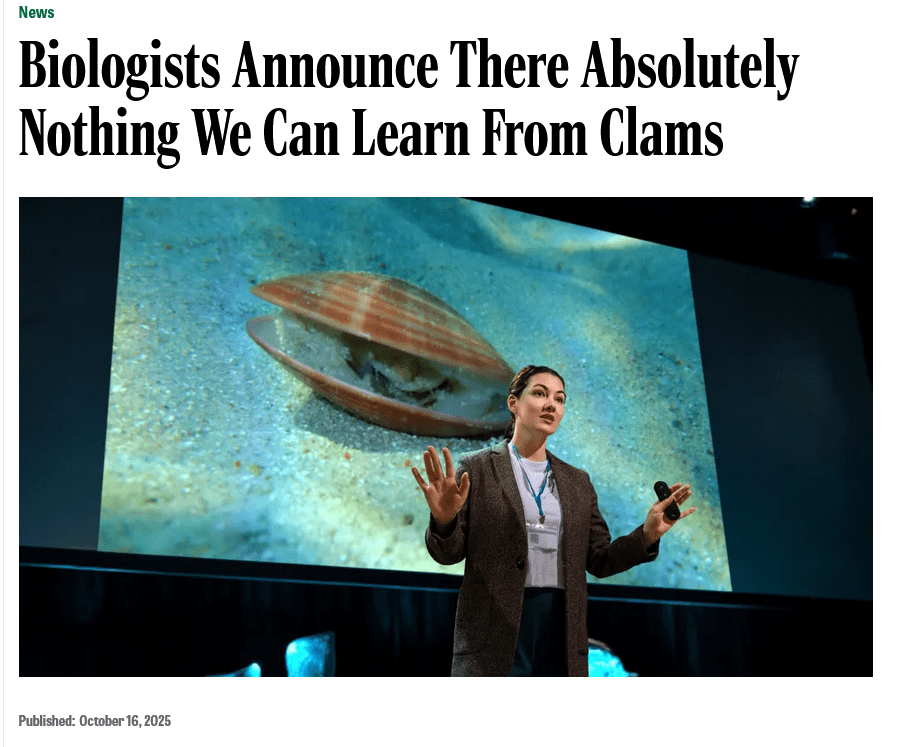
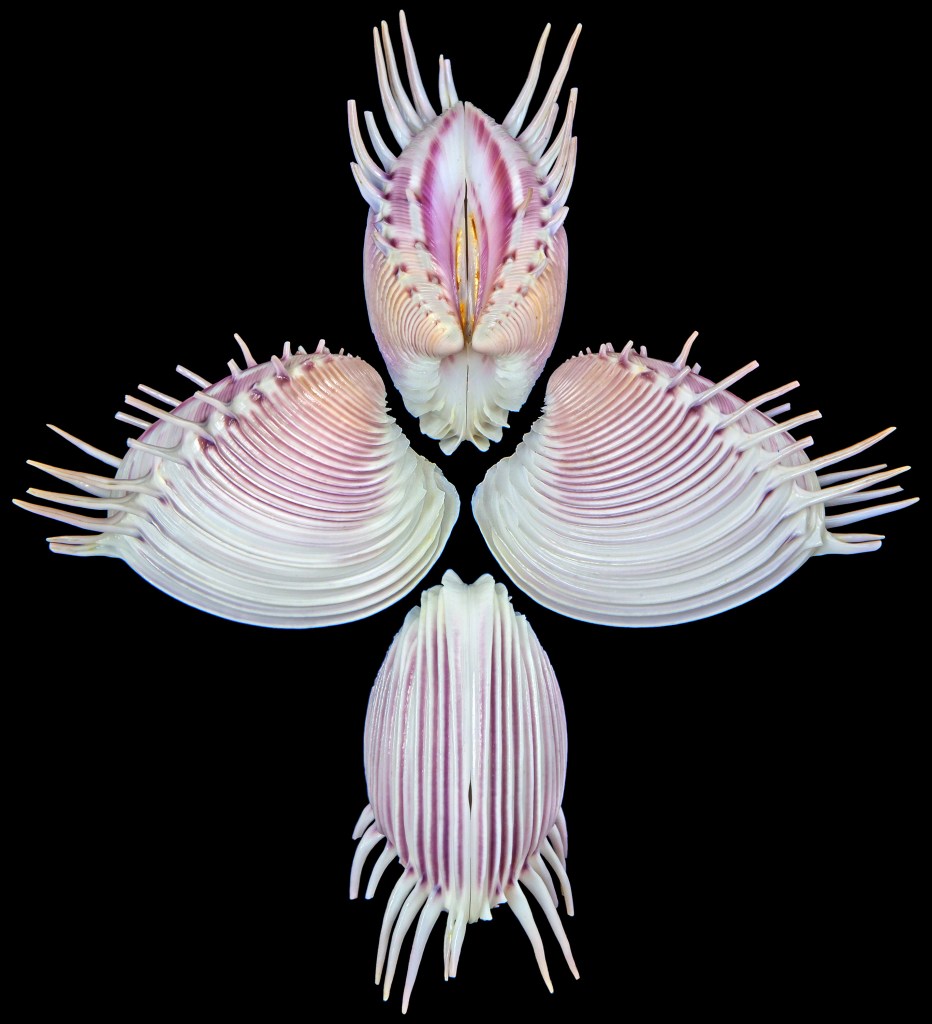
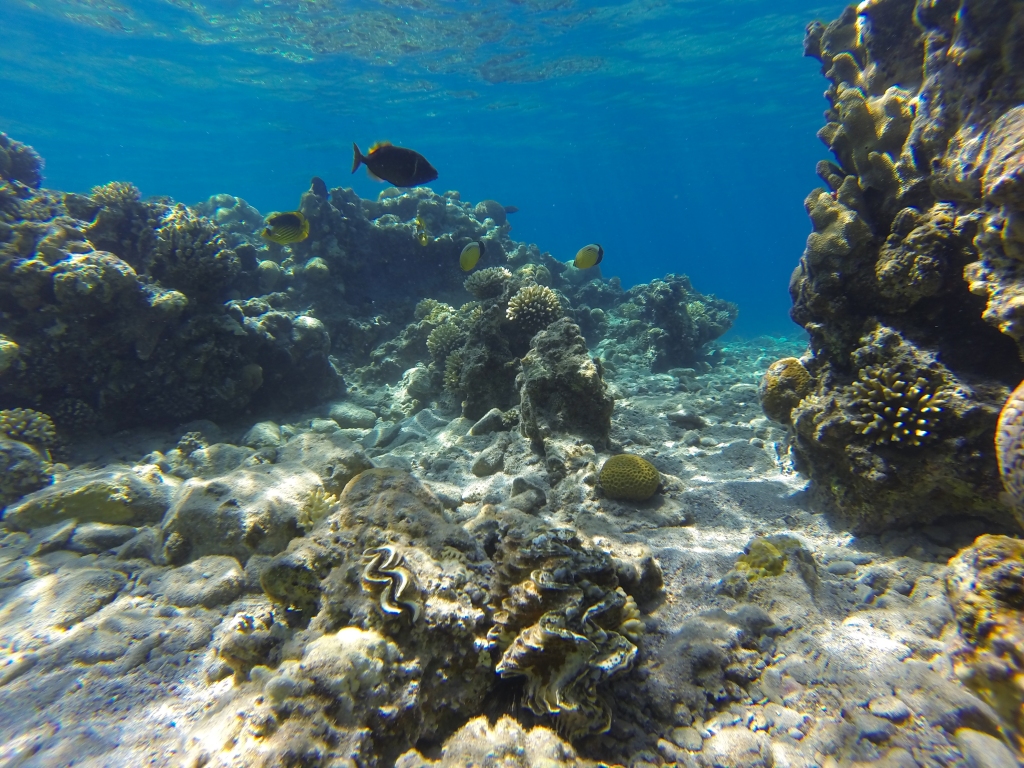
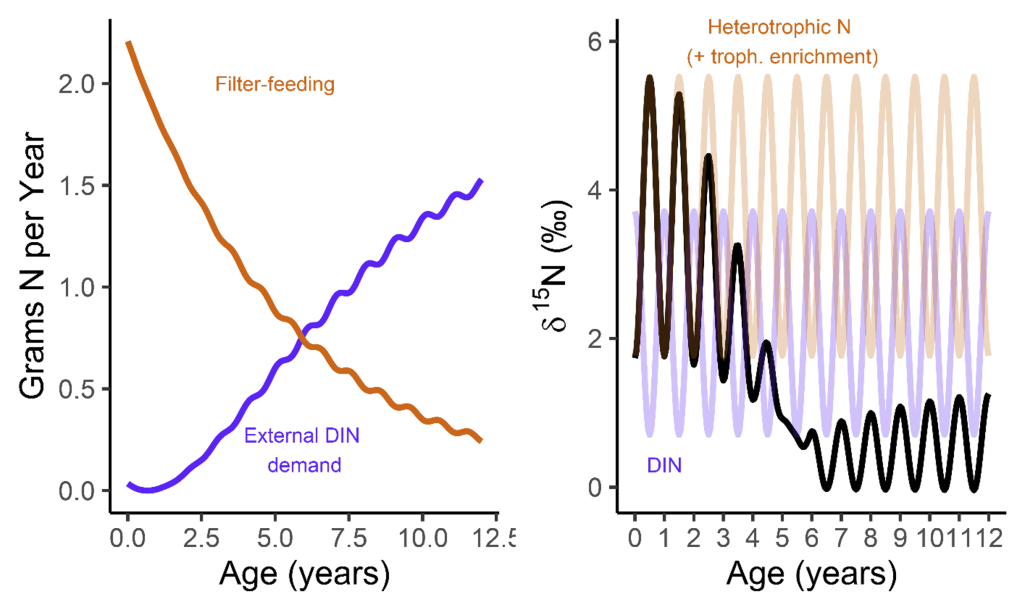
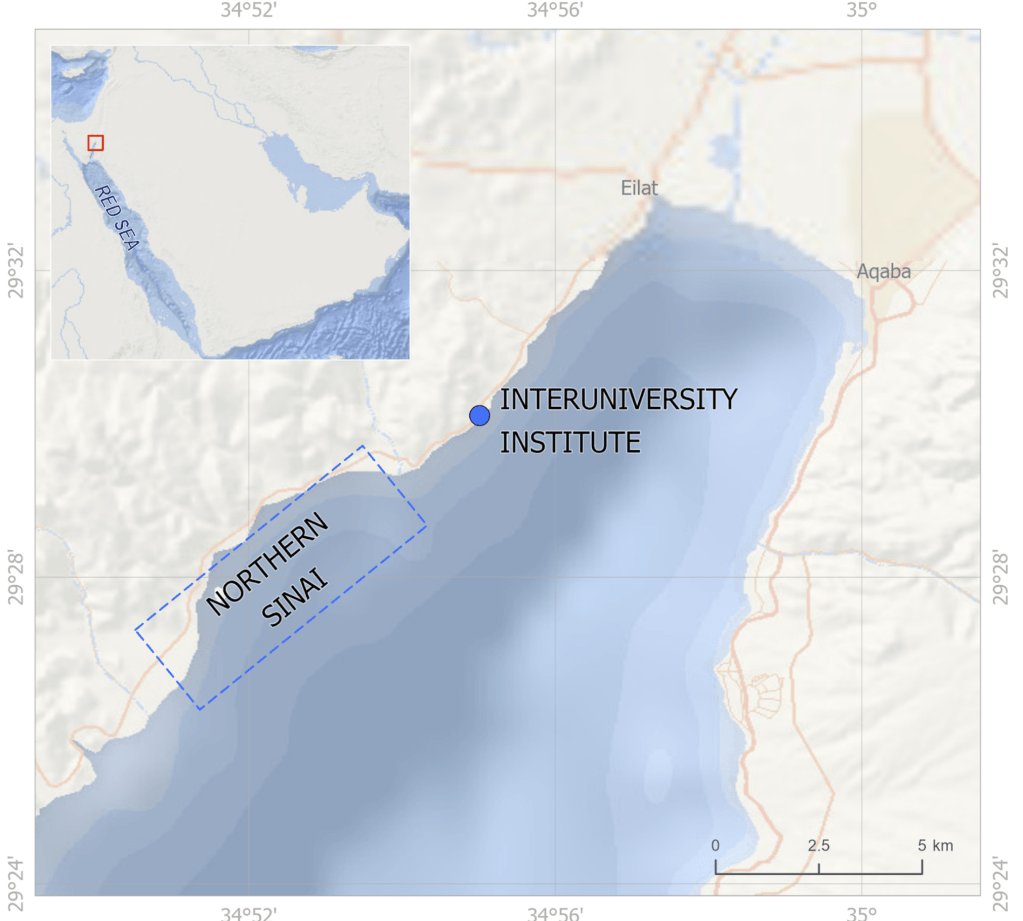


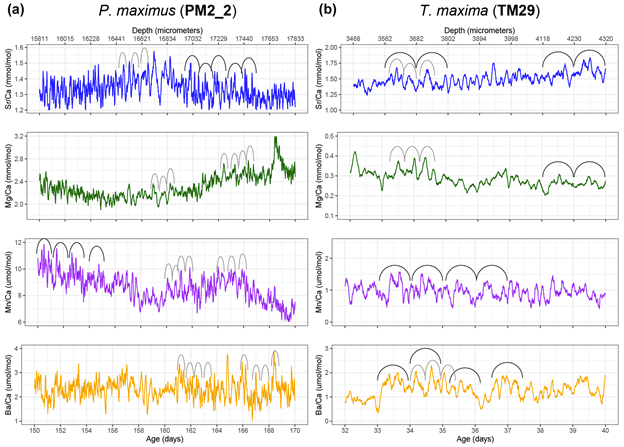
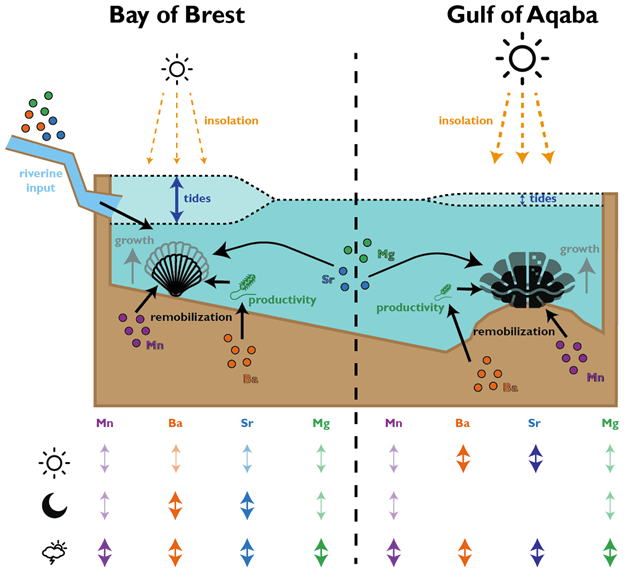
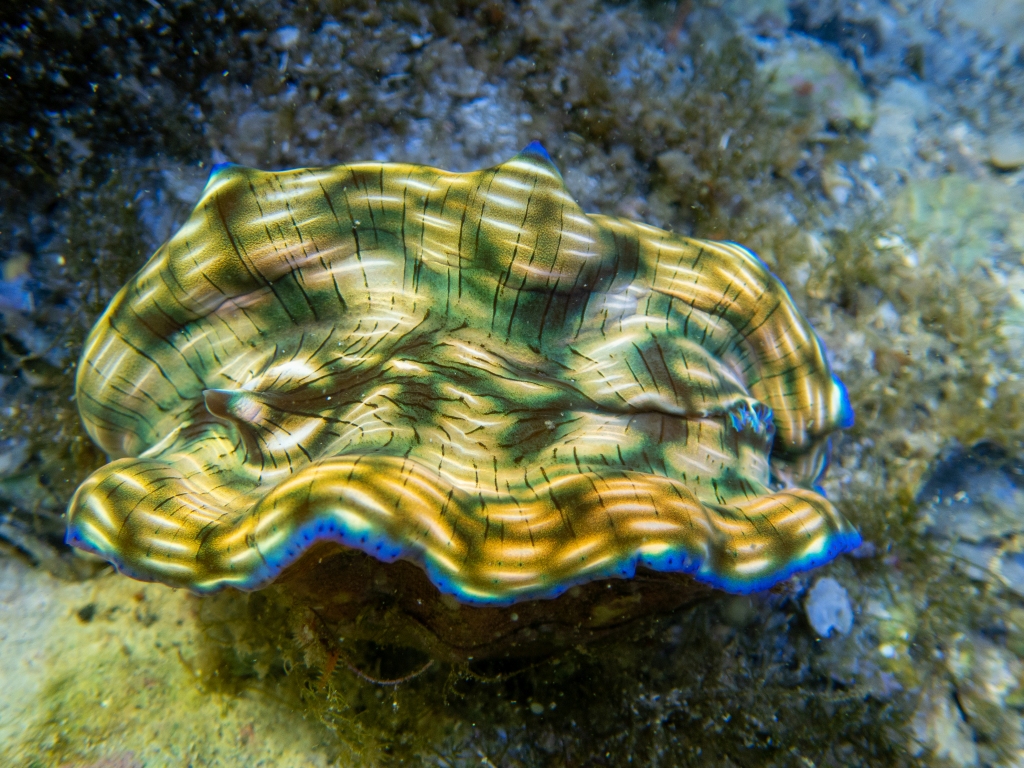
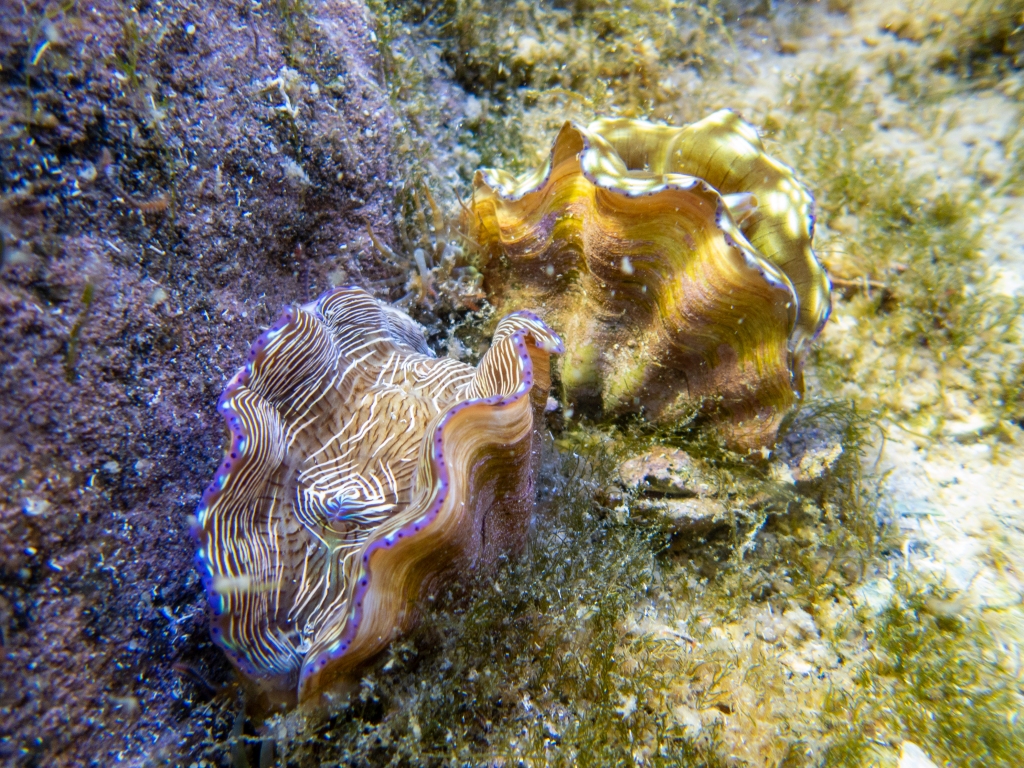
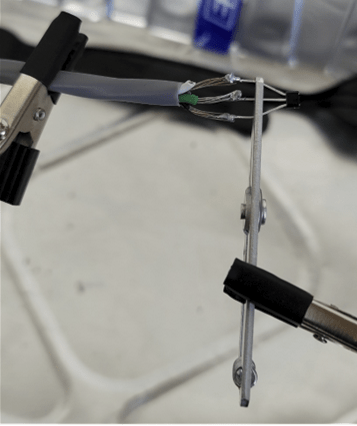
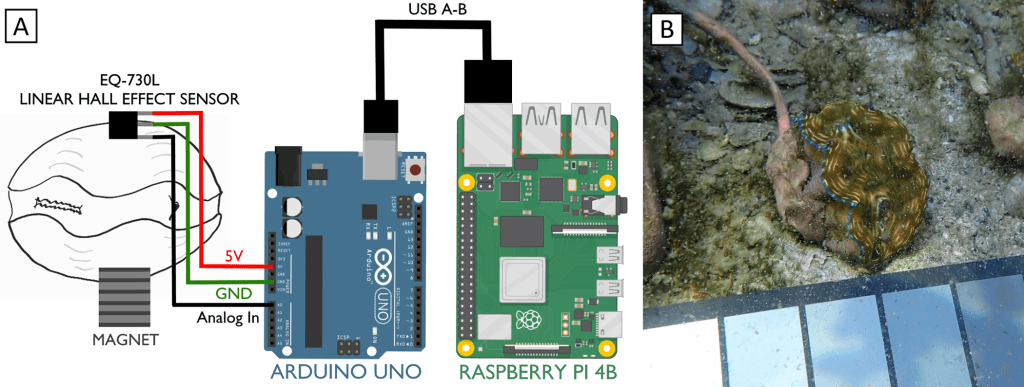


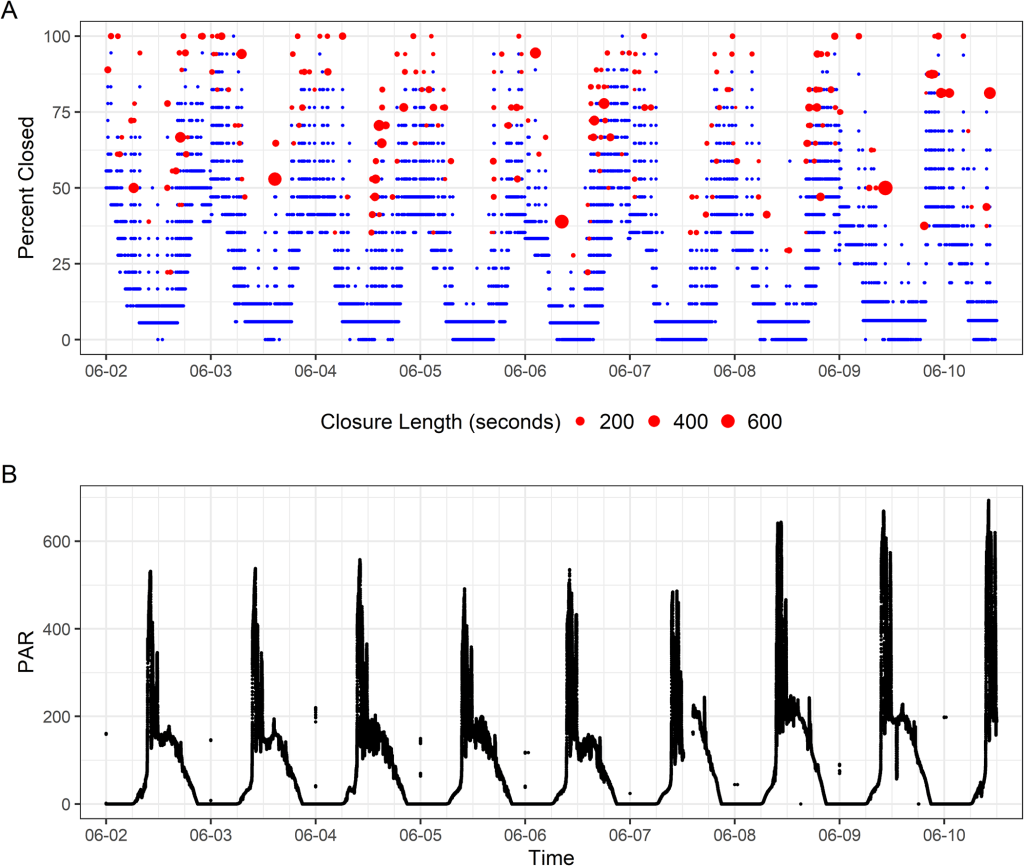
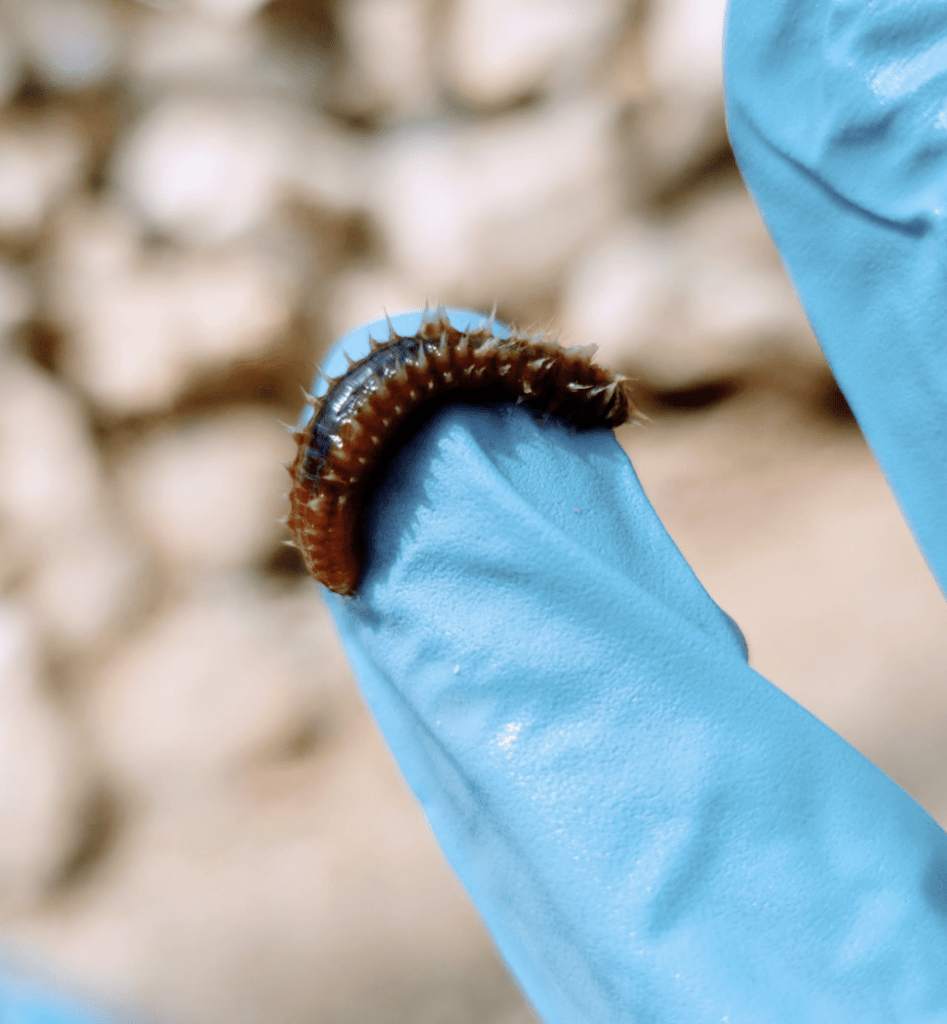


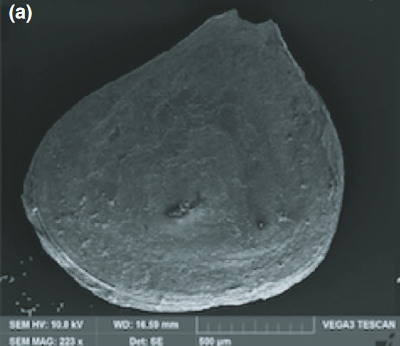


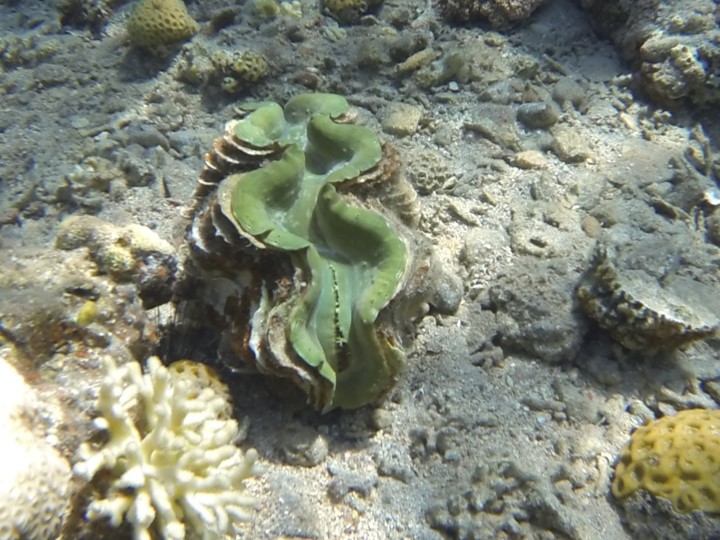
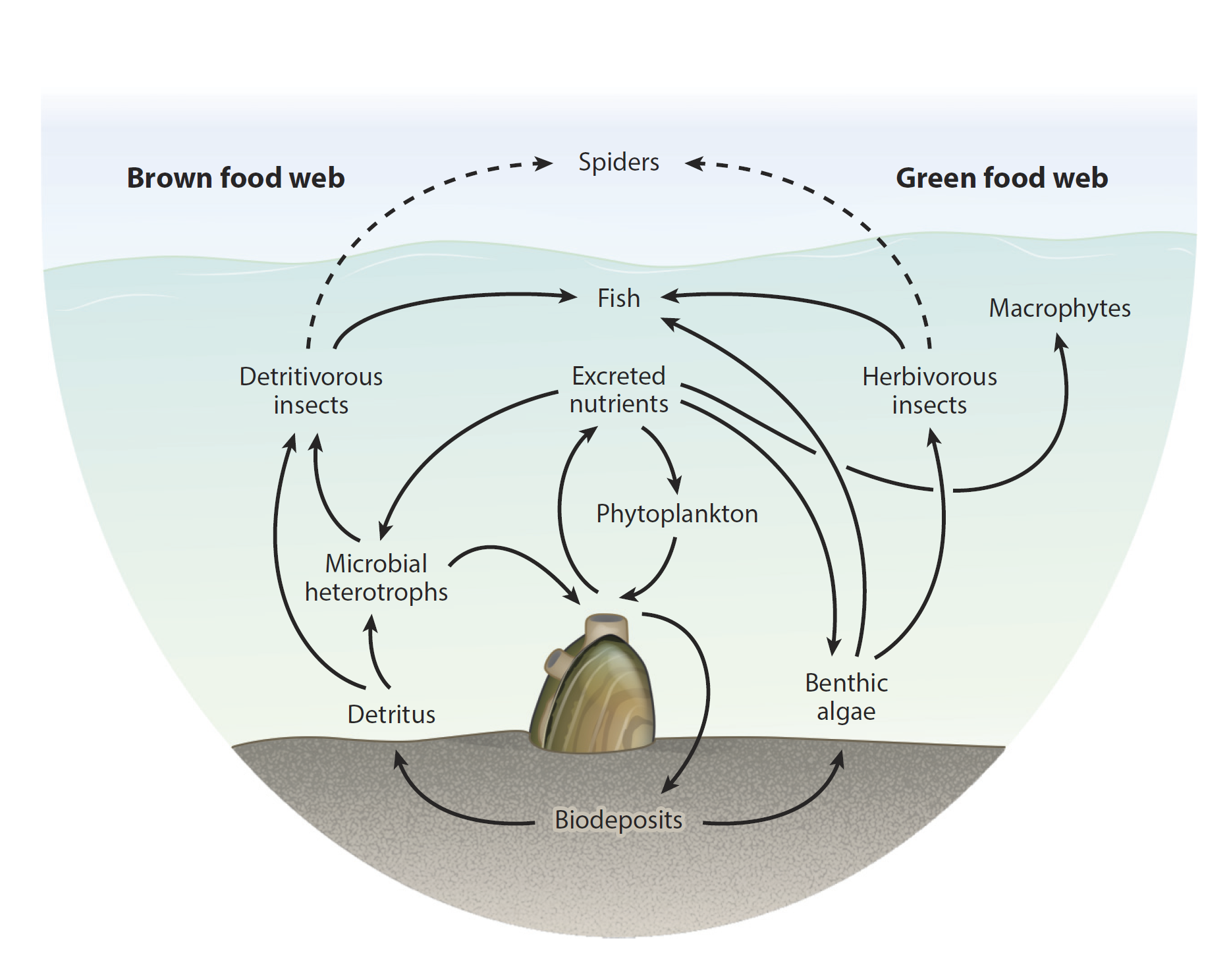
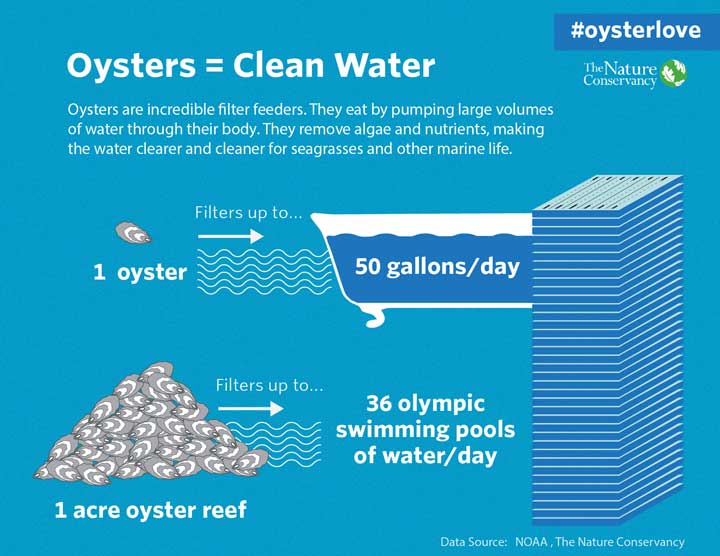
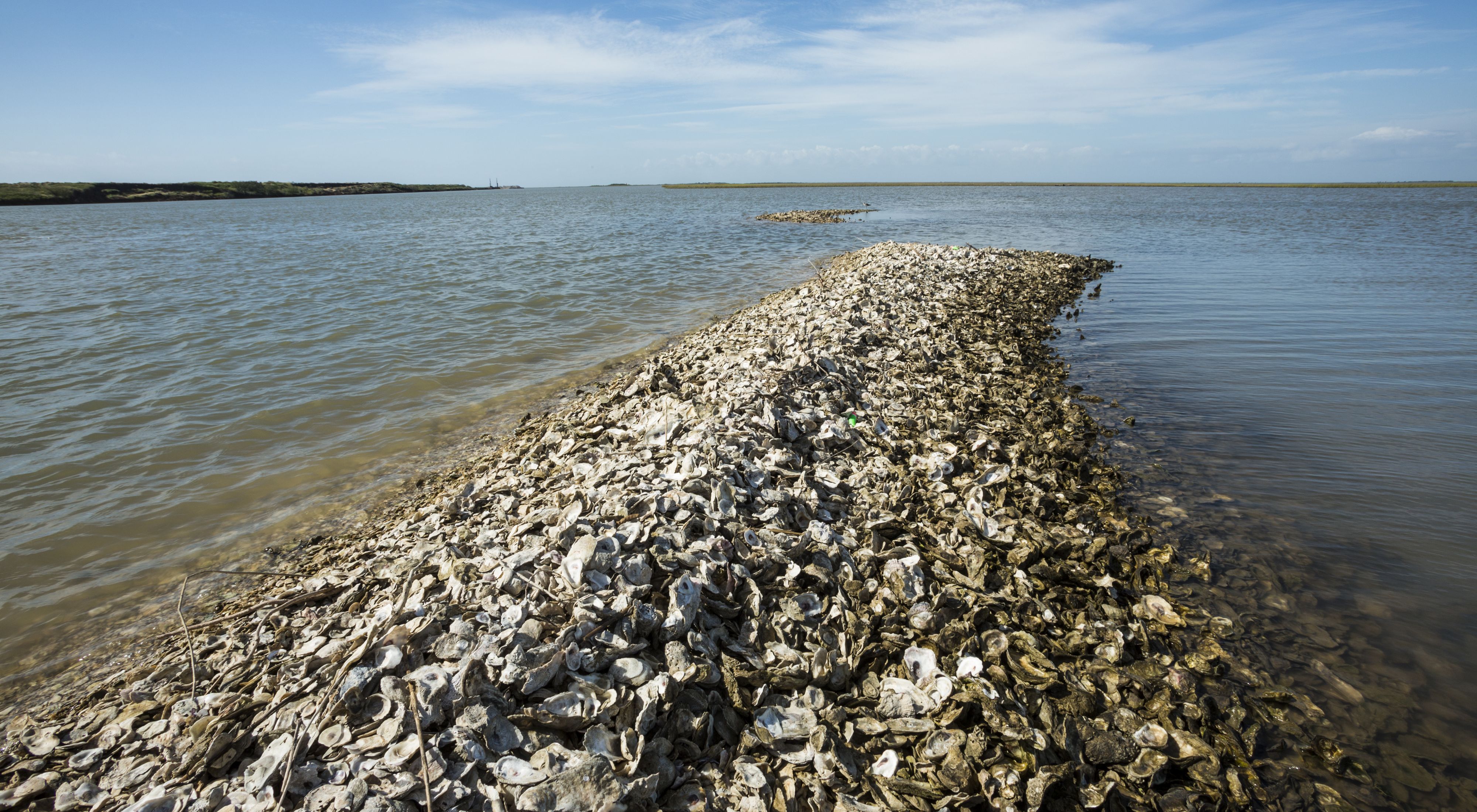
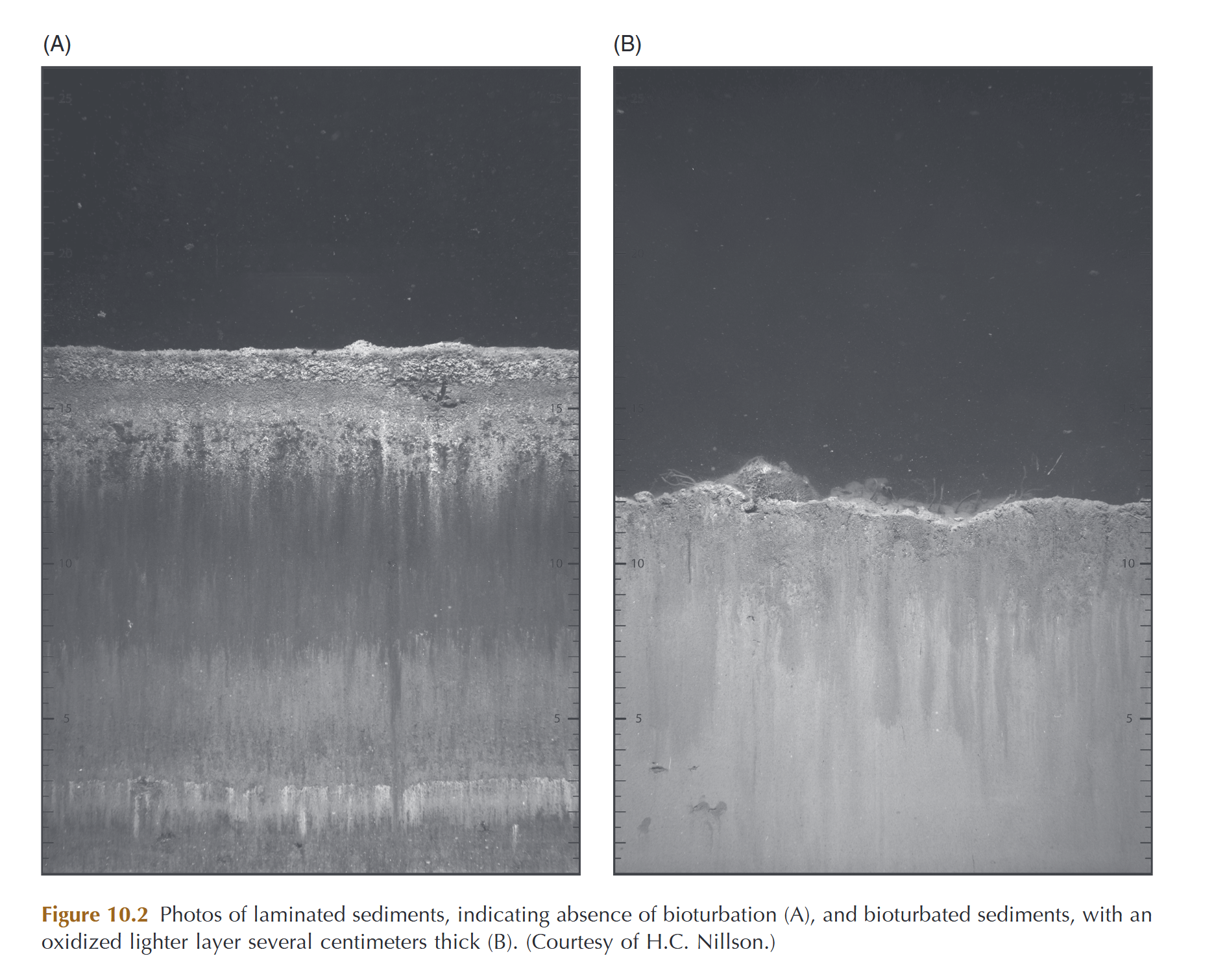
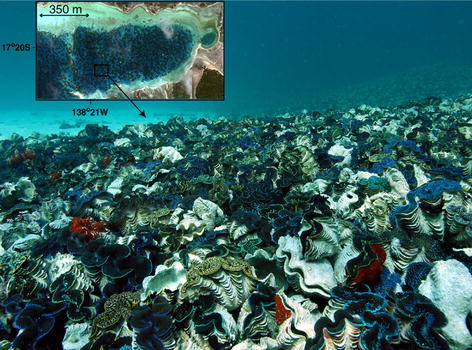
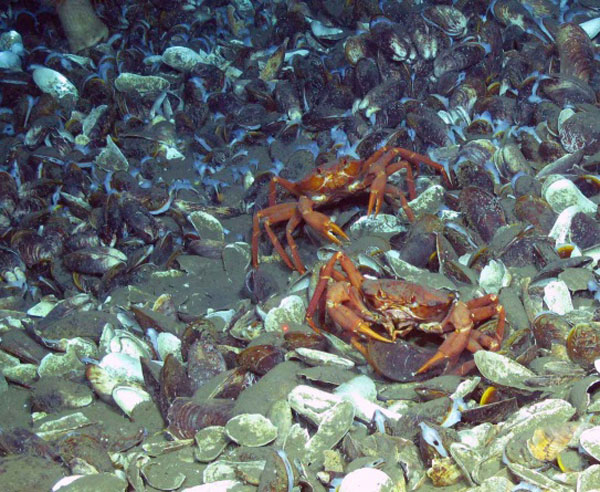
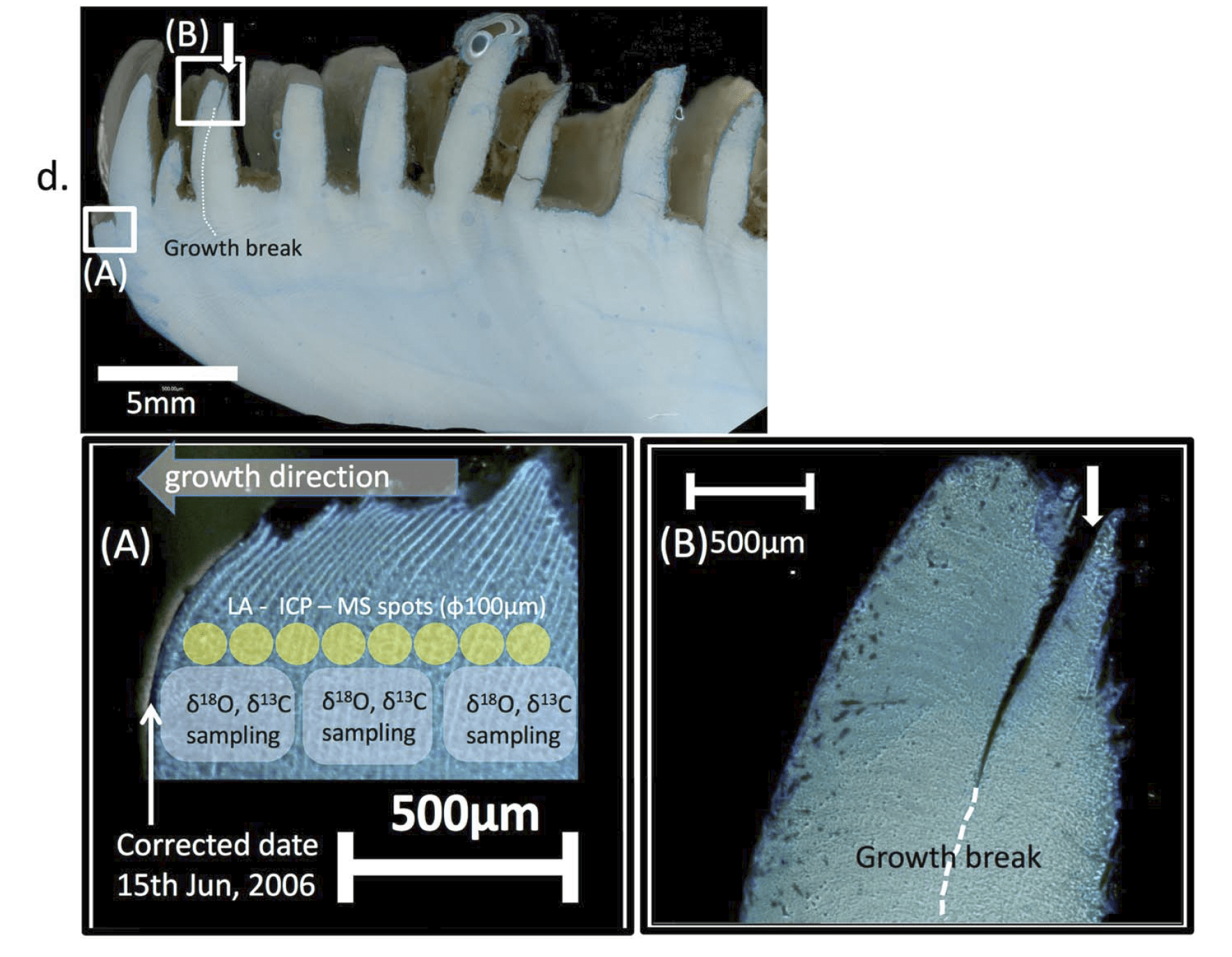
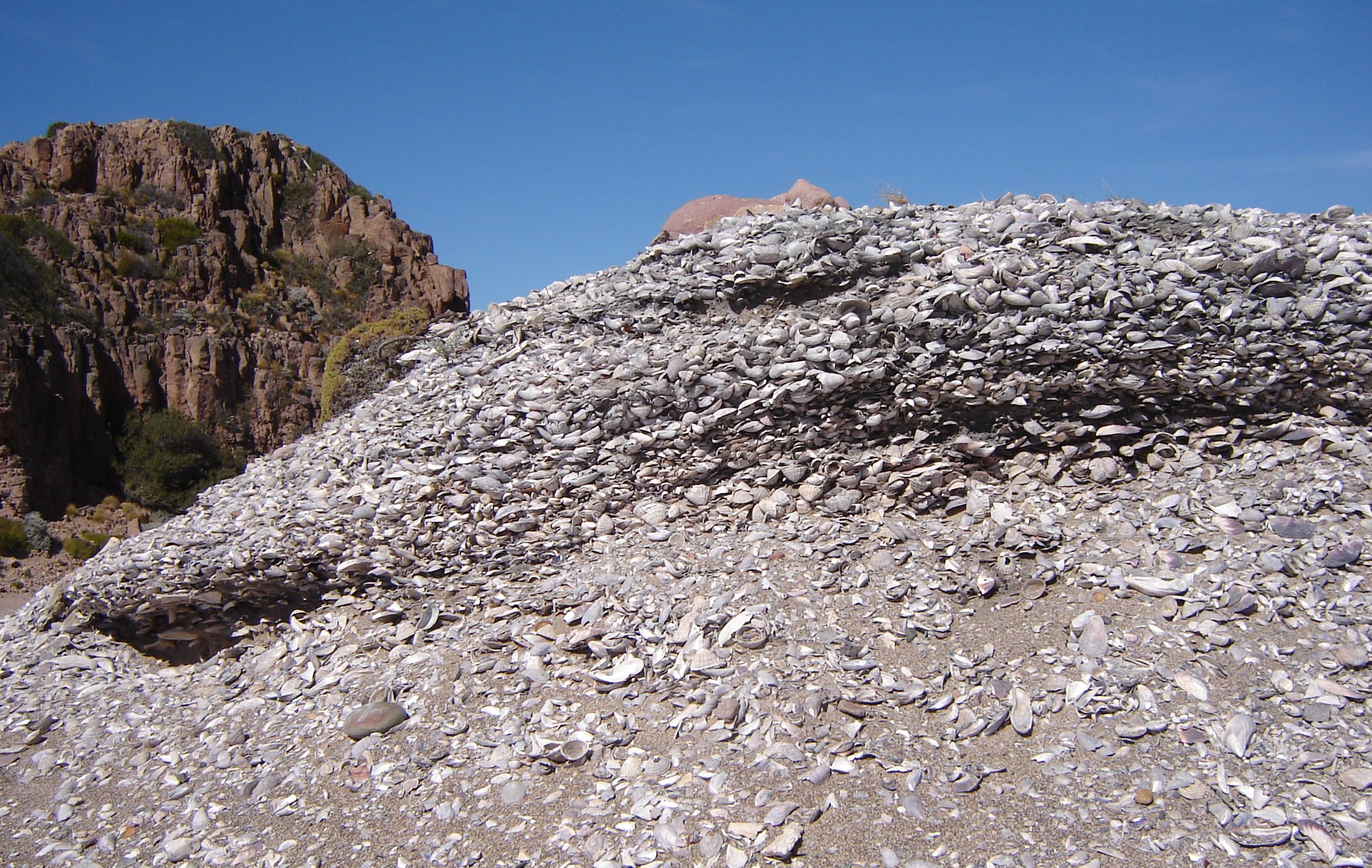

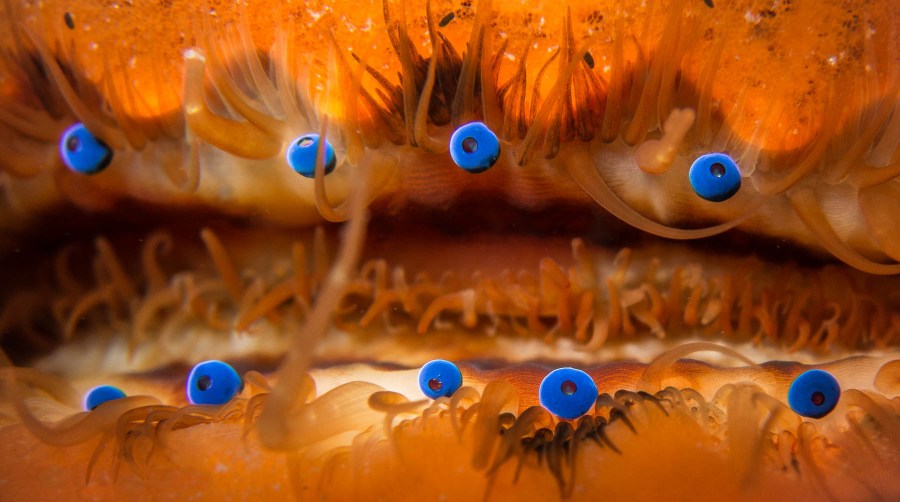
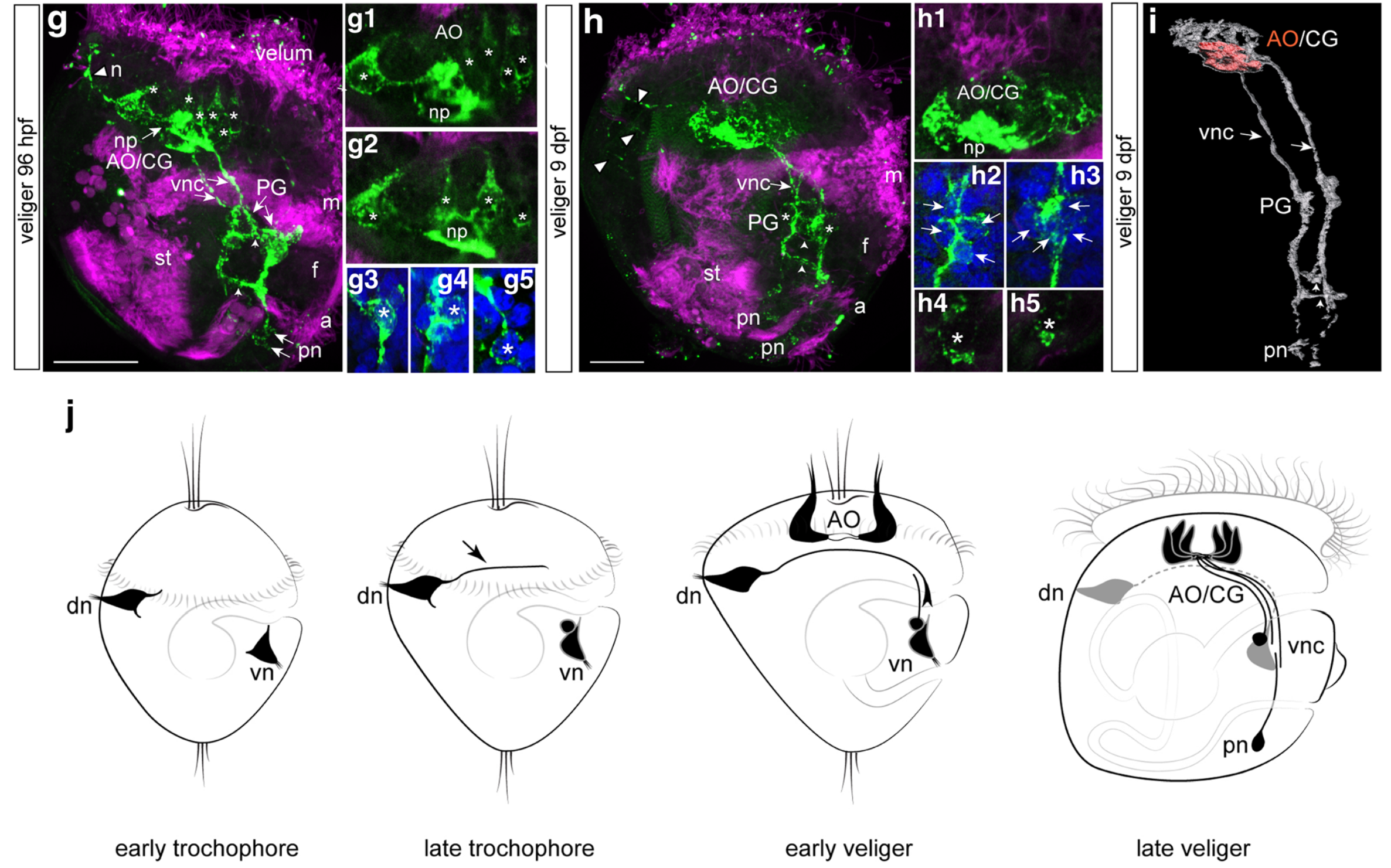
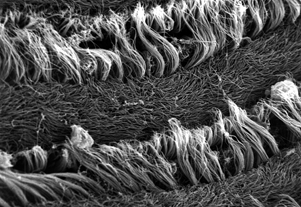
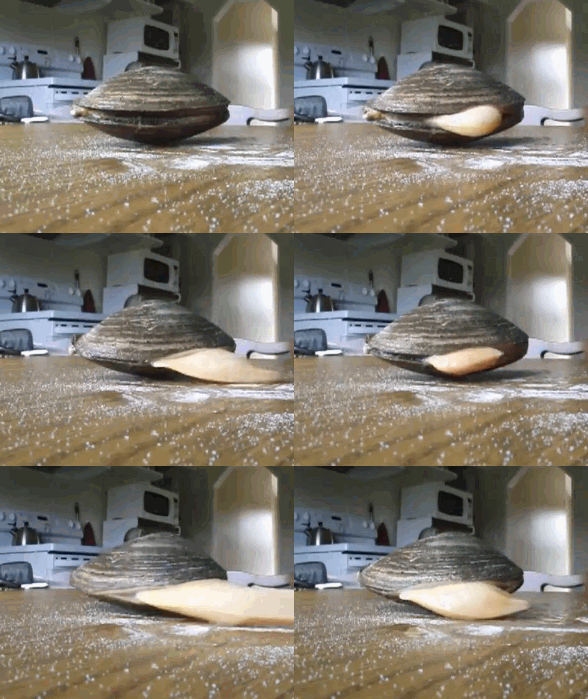
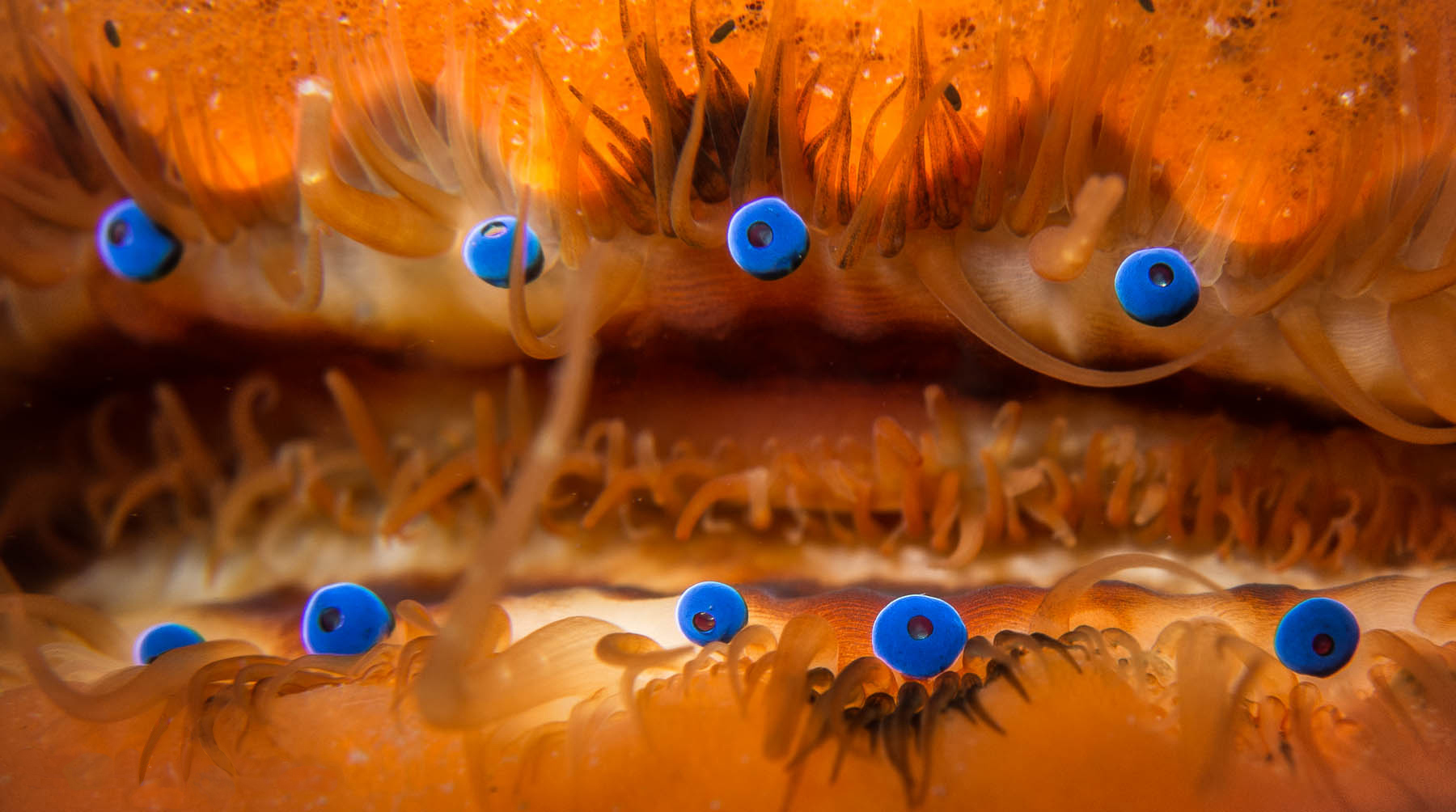
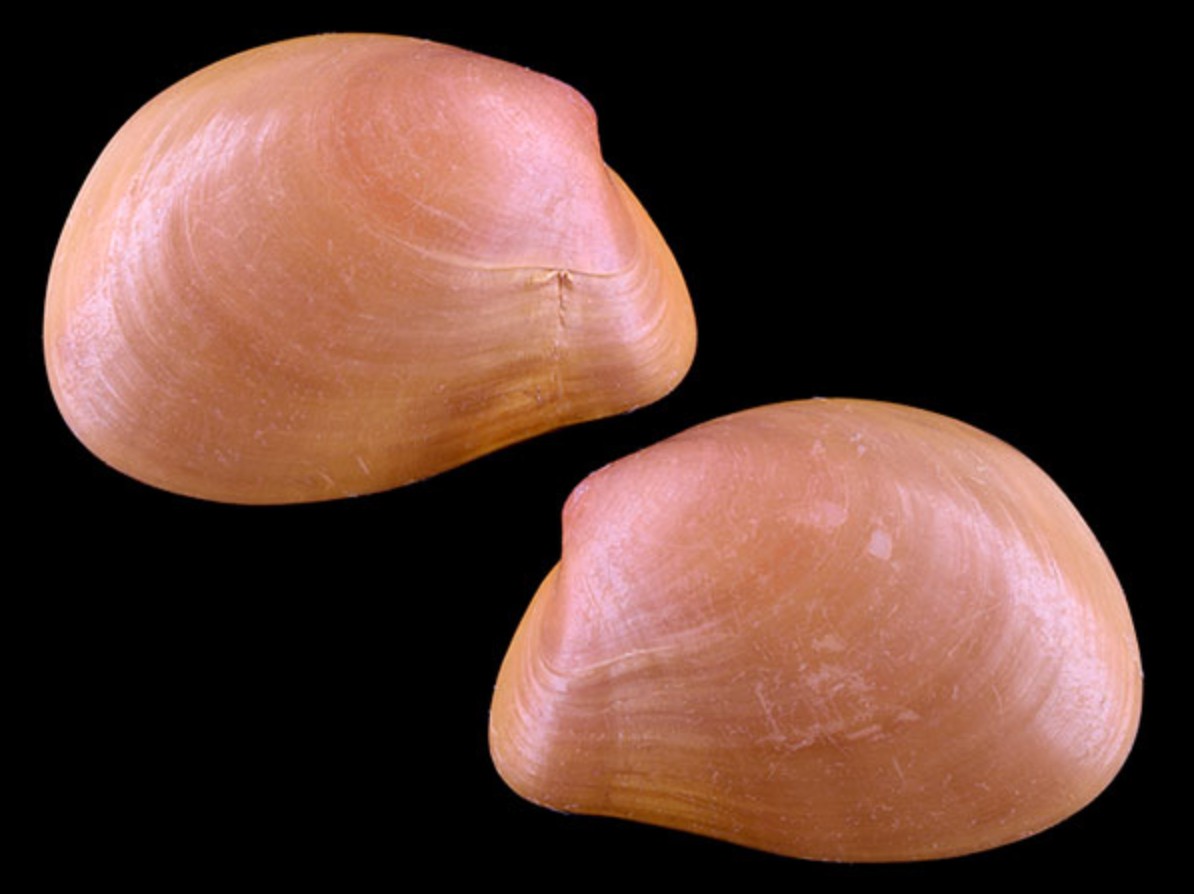
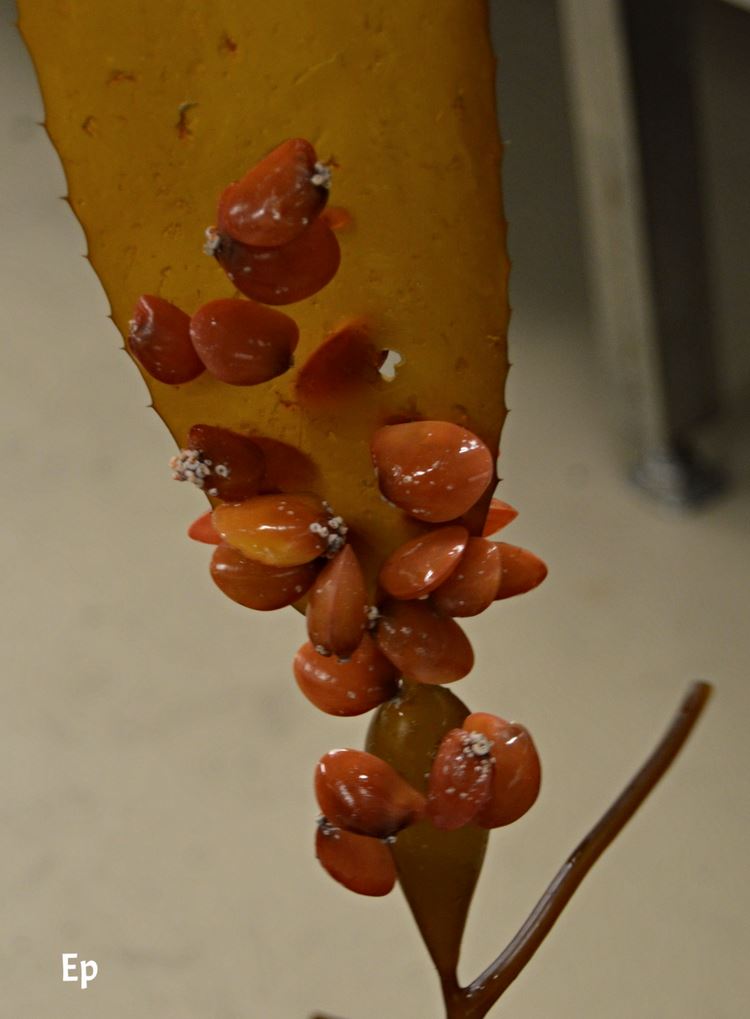
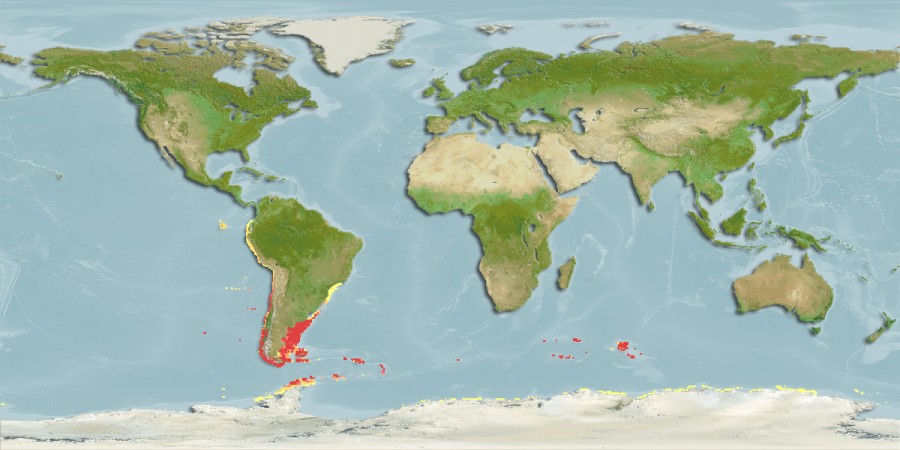
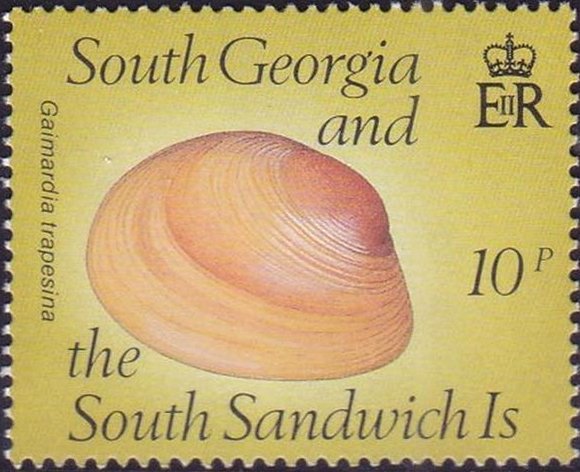

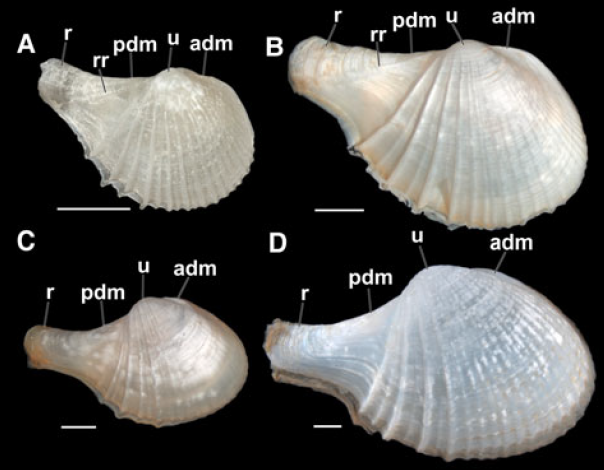
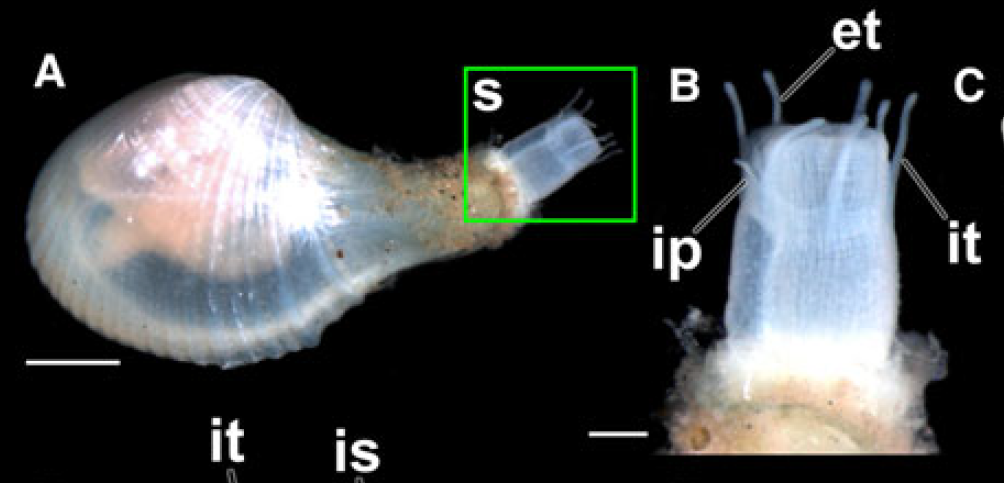
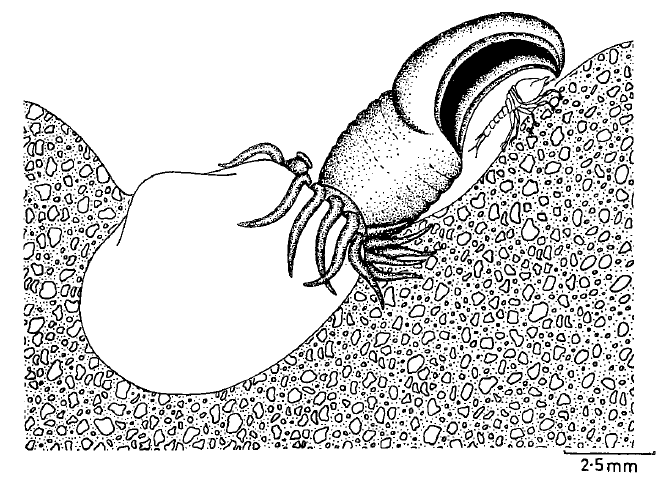
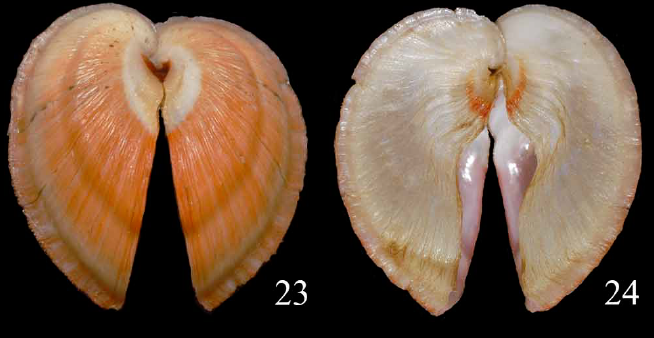
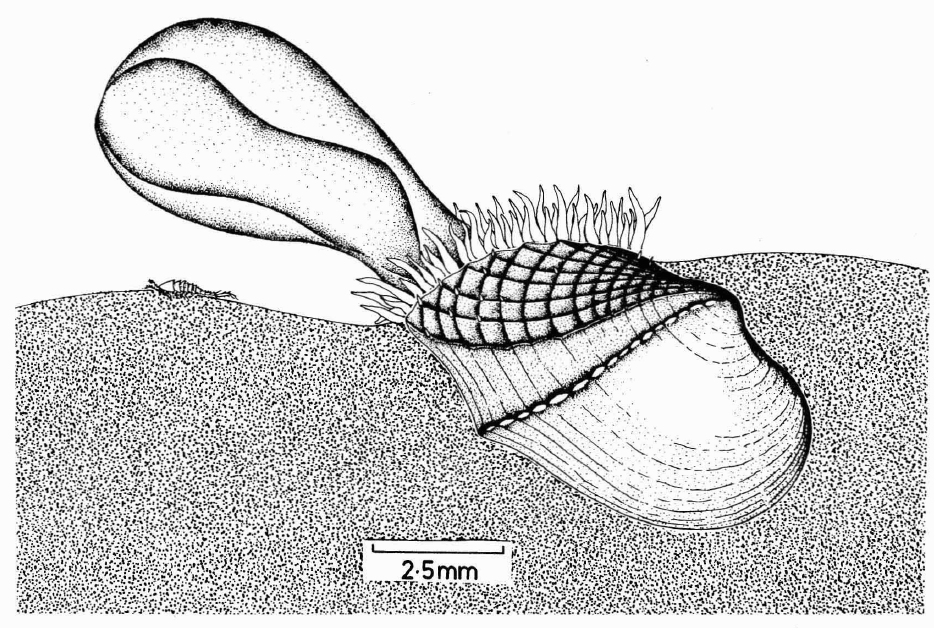
 Clamsplaining

