You might be familiar with the concept of the present “biodiversity crisis“. There is an increasing consensus in the ecological research community that the current loss of species this planet is experiencing is not sustainable, in the sense that the loss of some species may precipitate the loss of more, in an accelerating spiral. The paleontological community has found that the pattern of species loss is unusual even at the scale of geological time, potentially placing us among the great extinctions in geologic history, or at least a notably bad extinction event. A less diverse biosphere means the loss of ecosystem services associated with all of the species we lose, and potentially a less resilient biosphere, stacking the deck against us as the climate continues to change and life is forced to adapt. Because our global civilization depends on the wealth of the biosphere for our own well-being, this is definitely very bad news for humanity (I usually tend to avoid rationalizing conservation based on ecosystems’ value to us, believing that we have a moral imperative to preserve the biosphere, and organisms have an inherent right to exist outside of their economic value, but that’s a topic for another blog).
We are only aware of the loss of species due to centuries of careful collecting, cataloging, categorization and curation undertaken by conservationists around the world, including indigenous communities, museum professionals, taxonomists, seed banks, herbaria, and other very highly specialized and educated people. I won’t refer to these biodiversity experts as “countless”, because they’re actually a pretty small group of folks entrusted with an almost incomprehensible responsibility: to quantify the biological wealth of our world. They figure out when baselines are shifting, and their work keeps us accountable as we seek to stop the current bleeding of biodiversity.
I am writing this post because biological collections are having a moment of attention, and it’s been a topic I have been thinking of for some time as an outsider. Duke University recently announced that they will be throwing out their herbarium, an archive of plant samples which is one of the leading such collections in the US. The herbarium supports a vibrant ecosystem of research on the classification of plants, and is an important archive of plant diversity. Duke University, which has an endowment of $11 billion, claiming to not have the resources to support this archive is an unacceptable dereliction of their duty to preserve and nurture knowledge. And sadly, this closure of such an important collection is not a one-off event. Worldwide, taxonomist and curator jobs are declining. These are the people who spend decades learning how to tell one species of snail from another based on their genitalia. They discover cryptic species in collections. They prevent collections from degrading due to improper preservation, and charge in to save samples from fires. They process loans and when someone like me is belated in returning samples, they write a polite email reminding me to send samples back. When these people leave science, their skills can’t be easily replaced. If collections are lost, they literally can’t be replaced.
I am a biogeochemist, and not a museum worker by any means, but so much of my work has relied on biological archives. But by my count, 3/4 of my ongoing projects have used biological collections in some way. I wanted to list out some of the ways that biological collections have enabled my research, because I don’t think I’m unusual. Biodiversity curators are the keystone species in a vast ecosystem of interconnected research that wouldn’t happen without the hard work of maintaining collections. Please do what you can to protect biodiversity collections, whether by pressuring your representatives, your alma maters, and through donations.
Projects that relied on curators:
Some of my most influential educational experiences relied on teaching collections, including at Cabrillo Marine Aquarium, USC, LA Museum of Natural History, UC Santa Cruz and elsewhere. Without collections to get my hands on in lab exercises and other educational opportunities, my skills in ecology, organism ID and more would be greatly diminished.
My second PhD chapter relied on samples of well-preserved Jurassic lithiotid bivalves which came from outcrops which mostly no longer exist, having been quarried out or already sampled. These were loaned by curators at the University of Padova and University of Verona Natural History Museums
My third and fourth PhD chapters, and one of my postdoctoral papers used shells of giant clams that were stored at the Hebrew University of Jerusalem Natural History Museum. These shells had been confiscated from poachers at the Egypt-Israel border and were loaned to me by curator Henk Mienis. I would rather these clams be still alive in the Red Sea, but at least we were able to use these for a series of papers about their ecology and physiology.
Before my PhD fieldwork in Israel, I visited the California Academy of Science collection to view shells of Red Sea giant clams and practice species ID using a taxonomic key. I would also note that one of the species I have studied, Tridacna squamosina, is named because of the work of museum curators at University of Vienna.
Another postdoctoral paper (in progress) on violet bittersweet clams from the Eastern Mediterranean made use of preserved samples collected during research cruises off the coast of Israel in the 1960s-1980s. These specimens, loaned by the Steinhardt Museum in Tel Aviv, represent some of the last observed live violet bittersweets seen off of Israel. They since have (likely) gone extinct in the region, probably due to sediment changes in the late 1980s following the construction of the Aswan Dam.
Yet another postdoctoral paper in progress resulted from study of the growth and chemistry of shells of wavy turban shells loaned from the Santa Barbara Museum of Natural History, which we were comparing to individuals that grew in the hot waters of the Biosphere 2 tropical reef ocean tank. I met the curator Vanessa Delnavaz at the Southern California Union of Malacologists 2021 meeting, which was hosted by the museum. Museums are important centers of scientific organization and networking in addition to the value of their collections!
So I hope all of these anecdotes help make clear that biological collections are absolutely vital to enable an entire universe of research, and that we often can’t possibly predict what collections are going to be useful for which scientific purposes until long after the samples were preserved. So any budgetary bean-counters (not talking about bean taxonomists) should think twice before closing any collections! This is a core responsibility of academic institutions and we cannot allow any of these collections to be lost. Fund your local biological curators! Without their hard work, we’d be flying blind in the current biodiversity crisis. They’re the heroes we need, and that our earth deserves.
Two giant clams near Eilat in the Northern Red Sea. To the left is the small giant clam, Tridacna maxima, and to the right is a mature individual of the rare endemic giant clam Tridacna squamosina, only found in the Northern Red Sea.
You are what you eat, and clams are too. We’re made of atoms, which come in “flavors” called isotopes, relating back to the mass of the atoms themselves (how many protons and neutrons they have). Nitrogen, for example, comes in two stable (non-radioactive) forms called nitrogen-14 and nitrogen-15. Much like scientists can track the composition of a person’s diet from the isotopes of their hair, researchers have used the isotopes of clams to figure out their diet.
Nitrogen isotopes provide us with a useful and detailed record of food webs. Plants and algae tend to have more of the light isotope of nitrogen in their tissues than the animals that eat them (primary consumers), and the animals that eat those animals have even higher nitrogen isotope values. We can measure the amount of “heavy” atoms of nitrogen with a unit called δ¹⁵N (“delta 15 N”). A carnivore at the top of the food chain will have a very high δ¹⁵N, while plants will be the lowest. Clams, typically being filter feeders, will usually have an intermediate value, since they’re eating a lot of phytoplankton (tiny microscopic floating algae) and zooplankton (animal plankton that eat other plankton).
But I study a special kind of clam, the giant clams, which have a cheat code enabling them to become giant: they have algae *inside* of their bodies. The algae make food using photosynthesis and share it with their hosts! In exchange, the clams provide the algae with a stable environment free of predators, plenty of fertilizer in the form of their own waste, and even channel extra light to help the symbionts grow faster. This partnership is called photosymbiosis, and is pretty rare in clams, though it is common in other animals like the corals that build the reefs where giant clams are found! Previous researchers have shown that giant clams have very low nitrogen isotopic values in their tissue, like a plant, because they get most of their nutrition from the algae, rather than filter feeding.
I am a sclerochronologist. That means I study the hard parts of animals, in this case the shells of bivalves. Like the rings of tree, bivalves make growth lines in their shells which can serve as a diary of their lives. Some of my past work has looked at using chemistry of the growth lines of giant clams to measure the temperatures they grow at, compare the growth of ancient and modern clams, and even look at how much the clams grow in a day! Today though, I’m talking about my most recent paper, which looks at how we can use the shells of giant clams as a food diary.
But when they’re babies, the symbiosis in giant clams is not yet fully developed. During this early period of their lives, giant clams actually get more of their nutrition from filter-feeding like a “normal” non-photosymbiotic clam, until they’ve had a chance to grow in surface area and become a living solar panel. Like all bivalves, the shells of giant clams are made of calcium carbonate, bound together by a protein scaffold we call the shell organic matrix. Proteins are made of amino acids, which contain nitrogen! If we can get the nitrogen out of the shell from the early part of the clam’s life, and compare it to the nitrogen at the end of the clam’s life, it might record the clam’s transition from filter feeding to its mature plant-like lifestyle! If our hypothesis holds, we should record a decrease through its life in the shell δ¹⁵N values.
A model I made of the clams’ nitrogen intake, with the left plot how they switch from filter feeding to getting most of their nitrogen from dissolved sources around 5-6 years of age. Because the nitrogen isotopes of those two sources are different, that manifests in the expected values from the clam’s body (the right plot)!
A map made by my talented partner, Dana Shultz!
So I gathered a team of talented collaborators and set out to test that hypothesis, using giant clam shells that I was able to get on loan from the Hebrew University of Jerusalem Museum. These shells had been confiscated from poachers at the Egypt-Israel border. While I would have rather known these clams were still alive in the waters of the Northern Red Sea, being able to use them for research to understand the biology of their species was the next best thing! I had originally planned on pursuing a postdoc undertaking this project with Rowan Martindale, a professor at UT Austin who has studied the nitrogen isotopes of photosymbiotic corals, but when I started up at Biosphere 2, we ended up continuing with the project anyway as a collaboration! We measured the nitrogen isotopes of the shell material in the lab of Christopher Junium, a professor at Syracuse University, who has developed an exquisitely sensitive method to measure the nitrogen from shell material by essentially burning the shell powder and then scrubbing out unwanted material to isolate the nitrogen, to measure the isotopes in a machine called a mass spectrometer. Katelyn Gray is a specialist in isotopes of biominerals and assisted with drilling out powder from the shells with a Dremel. Shibajyoti Das, now at NOAA, is a specialist in measuring the shell nitrogen isotopes of other bivalves and he was master at doing much of the mass spectrometer work, and assisting in interpretation. Adina Paytan is a professor at UC Santa Cruz. She first provided the funding and support for me to go to the Gulf of Aqaba and collect these shells as part of an NSF-funded student research expedition! She also provided environmental data which helped us to interpret what the clams were actually eating!
A figure showing the four shells we sampled from, with the sampling areas in each hinge area showing colored and matching with the corresponding isotope plot to the right (colored points). 3 of the 4 shells show declines in isotope values with age. Shaded ribbon behind the data shows the model output.
So what did our crack team of scientists find out? We found that three of the four tested giant clams did indeed measure a decline in nitrogen isotopes over the course of their lives. Their earliest growth lines in the hinge areas of their shells record elevated δ¹⁵N values similar to other filter-feeders from the region. But as they aged, their later growth lines show much lower δ¹⁵N values, more like photosymbiotic corals and plants from the region. So clams indeed recorded the transition in nutrition as they became solar-powered! This degree and directionality of change in nitrogen isotopes was much greater than has been observed in any other clams measured in this way, which made sense considering their unique physiology. The clams have another area of the shell, the outer shell layer, which is closer to the symbionts than the hinge area. In this outer shell area, we did not observe much of a consistent trend in nitrogen isotopes. It’s likely that the outer layer is highly influenced by the photosymbionts even at the earliest stages of life.
Growth lines in the hinge area of two of the shells lit from behind, with the drilled areas for this study visible as well. The outer shell layer is the opaque and was also sampled for this study.
There was one clam that differed from the others in showing low δ¹⁵N values through life in its hinge shell layer. To help explain these differences, I created an independent model of the clams’ internal chemistry based on their growth rate, which slows as they age, and also is faster in the summer. When the clams are young filter feeders, they get most of their nitrogen from plankton, debris and other material floating in the water column making up floating material we call Particulate Organic Matter (POM). Meanwhile, when they are in their photosynthetic life stage, they get most of their nitrogen from nitrate, which is essentially Miracle Gro for the symbionts. The model showed that the clams should record a flip from filter feeding to photosynthesis around 4-5 years of age, which was confirmed by three of the shells! But what about the one that didn’t show this trend? My colleague Adina had fortunately measured the isotopes of POM and nitrate in different seasons in the Gulf of Aqaba. We found that in summer, as expected, POM δ¹⁵N is lower than nitrate. In the winter, meanwhile, that relationship is flipped! So if a clam grew more in winter, it would not record the same transition as was seen by the other clams. We think the clam that was the exception to the rule might have been more of a winter grower.
The chaotic nutrient environment of the Northern Red Sea, showing how in different seasons, dissolved nitrate has higher or lower δ¹⁵N values than the Particulate Organic Matter that the clams filter-feed on.
But long story short, we were able to demonstrate for the first time that giant clams show nitrogen isotopic values in their shells in line with expectations from their diet. Other clams have been measured this way, but the fact that we were able to conduct these analyses at all is a testament to the sensitivity of the elemental analyzer in Chris’s lab. Giant clams have *very* low concentrations of organic matter in their shells, so the forward march of technology was a major factor enabling this study to be possible.
Why does it matter that we can measure the transition of the clams from filter-feeding to photosymbiotic in their shell records? Well, giant clams are not the only bivalves which have photosymbionts. There are other clams in the fossil record which have been proposed to have had symbioses with algae, but until now we’ve never had a definitive geochemical way to measure this in fossils. We hope that this approach can be applied to the organic material in fossil shells, which is often well preserved, to see if huge clams in the Cretaceous and Jurassic had a similar way of life to the modern giant clams! If we can demonstrate that was the case, we can see how such species responded to past intervals of climate change, which will help us understand how giant clams will fare in the warming, acidifying ocean of the present.
These results also help explain the lives of giant clams themselves. We hope this kind of data can be used to measure the symbiotic development of giant clams in different places, with different types of food and nitrogen available, where we’d have the potential to measure pollution. Interestingly, the time that the model shows the clams transitioning to photosynthetic maturity is right around the time that they reach reproductive maturity (5-10 years of age). We’d like to investigate whether the time of clam maturity is controlled by the development of their symbiosis, which itself might relate to nutrients in the clams’ environment. If clams can grow faster, then they can mature faster, and potentially reproduce sooner in life. Will giant clams be able to thrive in the presence of increased nitrate, which is a common pollutant in coral reef environments? Like all worthwhile research projects, we have dozens of new questions to pursue as a result of this work, so stay tuned for the next installment in this journey of clam knowledge!
Figure 1 from our paper, showing a comparison of a scallop, its growth increments and where it came from in France, to a giant clam shell section (dyed blue to show its growth lines), and where it came from in the Northern Red Sea
In 2020, I got an interesting email in my inbox from another mollusk researcher! Niels de Winter had emailed me, who I was familiar with from his past work on big Cretaceous rudist bivalves and giant snails. Niels had seen my paper published that year on giant clam shell isotopes from the Gulf of Aqaba in the Northern Red Sea, and was interested in teaming up on a new study to compare the daily growth of giant clams with another bivalve that has daily growth: scallops! I was intrigued because I had similar work underway to study the shells of clams I was growing at Biosphere 2, but I didn’t have any plans to measure my collected wild clam shells that way. So this sounded like a win-win opportunity to work together on a study that neither of us could do alone! Plus, I liked his work and had cited it in the past.
The shells of bivalves are very useful as each produces a shell diary consisting of growth lines, similar to the rings of a tree. Giant clams keep a very detailed diary, with a new growth line forming every night, which previous research has suggested was due to the control that the symbiotic algae inside giant clams have on their host. When the algae conduct photosynthesis, they use CO₂ in the fluid the clam makes its shell from, which increases the pH and accelerates the formation of the shell mineral crystals! The symbionts also directly assist by pumping calcium and other raw materials for the clam to use! Niels had found such daily lines in an ancient rudist bivalve from over 66 million years ago, and proposed it as a sign that the rudists might have had similar algae! I used the daily lines to compare giant clam growth before and after humans arrived in the Red Sea, finding that the clams are growing faster!
But it turns out that giant clams aren’t the only bivalves that make daily lines. Some species of scallops do it too, but that’s a bit confusing, since scallops have no symbionts that could be producing this daily growth period! One way we could investigate this is by bombarding the shells with very tiny laser beams only 20 µm across: the width of a hair is a flawed unit of measurement but 20 microns is as narrow as the narrowest type of hair you can think of! The laser would carry across the cross sections of the shell in a line, literally burning away tiny bits of shell, with the resulting gases captured by a machine called a mass spectrometer, which can figure out the concentrations of elements in the gas.
So we’d basically create a very detailed wiggly graph, where the wiggles represent years, months, days and even tides, depending on how fast the clams and scallops grew! I’m happy to report the paper was published earlier this year, so I thought I’d switch it up a bit and have a conversation with Niels through this blog post. Let me open it up to Niels, who I decided to bring in for this post in a kind of conversation!
Niels, what did you expect to find heading into this experiment? For me, I figured the giant clams would have greater amplitude of variation on a daily basis than the scallops, due to the influence of the symbionts. Is this what you expected? More or less. To be honest, that is what I was hoping to find, because if the daily lines were so much stronger in photosymbiotic shells than in the non-photosymbiotic scallops, it would make it easier to recognize photosymbiosis by studying modern and fossil shells. Also, a finding like that would obviously support the hypothesis we had about the ancient rudist bivalve. However, I was a bit skeptical as to whether the reality would be so clear-cut.
I mailed samples from six juvenile giant clams to Niels for analysis. We went with juveniles for a couple reasons: they grow faster at this life stage than they do as adults: 2-5 centimeters per year for the species we were studying, which meant the greatest opportunity to record a very detailed record from their shells! Scallops also grow extremely quickly, up to 5 cm/year, and so we would be able to get a similar resolution for both types of bivalves, since each page in their diaries would be a similar width.
When I start a new study like this, I always like to “outsource” the expertise about the topic a bit. Our work in sclerochronology often involves bringing together several fields of research and interpreting the results of complex measurements like these requires input from several people who look at them from different viewpoints. I had just finished a research stay at the University of Mainz in 2019, where I worked with Bernd Schöne and Lukas Fröhlich. I know Lukas was working on scallops together with Julien Thébault, whose team collects them alive in the Bay of Brest and keeps a very detailed record of the circumstances the scallops grow at. To carry out the laser measurements, I needed geochemistry experts, and Lennart de Nooijer, Wim Boer and Gert-Jan Reichart came to mind because I was already working with them on other topics and they run a very good lab for these analyses at the Royal Netherlands Institute for Sea Research (NIOZ). This is how the team came together.
Niels conducted a series of laser transects across the clam shells. He used some sophisticated time series analysis approaches to try to quantify the different periodic cycles that appeared in the clam and scallop growth. This was a different approach to how other workers have gone about finding daily growth cycles in giant clams and scallops, where they have often started by zooming in to find the wiggles, and work backwards from there. Niels instead tried to agnostically dissemble the growth records across each clam shell using mathematical approaches, based on the idea that this would be how future workers have to go about identifying daily growth patterns in fossil clams, where we often don’t have a real “growth model” up front to work with. By growth model, I mean the way that we convert the geochemical observations, which are arranged by distance along the shell, into units of time, which requires us to know how fast the clams grew. For the scallops, the age model was made by counting daily “striae” they form on the outside of their shells. For the giant clams, I helped with this by counting tiny growth lines inside the shell made visible by applying a dye called Mutvei’s solution. Because the growth lines weren’t visible all the way through the shell, I used a von Bertalanffy model to bridge across and create a continuous estimate of how old the clams were at each point along their shells.
Niels found some interesting results! I personally expected that the daily variation in giant clams would dwarf what was seen in the scallops, because of the impact of the daily activity of the symbionts. But it turned out that while the clams had a more regular pattern of daily shell growth than the scallops, likely controlled by the symbionts, that was still a minority of the variance across the clams’ records. Yet again, these clams destroyed my hypothesis, but in an interesting way!
Niels, what were your expectations going into this, and how did the results confirm or go against your hypotheses? What challenges did you run into in the course of your analysis, and how did you end up addressing those challenges?
This was honestly one of the most difficult shell-datasets I have worked with so far. The laser technique we used measures the elemental composition of the shells in very high detail, but while this is ideal for funding daily rhythms, it is both a blessing and a curse! In a dataset like this it becomes quite hard to separate the signal we are interested in from the noise that occurs due to measurement uncertainty. I ended up using a technique called spectral analysis, which is often used to detect rhythmic changes in successions of rocks. I guess this is where my geology background was helpful. With this technique, we were able to “filter out” the variability in the records of shell composition that happened at the scale of days and tides and remove the noise and the longer timescale variations. It turns out that, when you do this, you have to remove a surprisingly large fraction of the data, which shows us that the influence of the daily cycle on the composition of both the scallops and the clams is not very large (at most 20%). We did find a larger contribution in the giant clams, as expected, but the difference was much smaller than anticipated. I also find it interesting that most of the variability was not rhythmic. This shows that there are likely processes at play that control the composition of shells on a daily basis which we do not understand yet.
We were measuring a suite of different elements across both bivalve species, including strontium, magnesium, manganese and barium. All of these were reported relative to calcium, the dominant metal ion in the shell material (they’re made of calcium carbonate). This is why we call them “trace” elements; each is integrated into the material of the shell due to a variety of causes, including the temperature, the composition of the seawater, the growth rate of the clams, and also simply due to chance.
Examples of the time series of trace elements from a scallop shell (to the left) and giant clam (to the right), showing the very intricate wiggles in trace element values on a on a tidal and daily basis in each bivalve
In the giant clams, the elements that varied most on a daily basis were strontium and barium. Prior workers had found strontium was the strongest in terms of daily variation, but barium was more unexpected! Normally, barium is thought of as a record of the activity of plankton in the environment, and since there is very little plankton to be found in the Red Sea, it was not expected to see that element vary on a daily basis. It could be that barium gets included in the shell more as a function of the growth rate of the animals. Meanwhile, the scallops (from the Bay of Brest in France) were measuring strong tidal variability in barium and strontium, which makes sense because that location has huge tides compared to the Red Sea. Tides happen on periods of ~12.4 and 24.8 hours. The scallops showed swings lining up with both, and the tidal variability might be the main explanation for how scallops form daily lines. Because the lunar day is so close to a solar day, they would be hard to tell apart from each other! Interestingly, the giant clams also showed some sign of a ~12 hour cycle. While the Red Sea has pretty tiny tides, I had noticed that some of the clams make 2 growth lines a day, and if some clams in the shallowest waters were exposed on a tidal basis, that could explain why they’d make 2 lines: one at low tide, and one at night! Even in places without tides, like the Biosphere 2 ocean, I’d noticed evidence of 12-hour patterns of activity in the clams. It’s so nice (and rare!) when one of my hypotheses is confirmed!
A nice schematic Niels put together showing all the environmental factors that influence the shells of scallops and giant clams, and how much different elements vary as a function of sunlight, tides and other more irregular events like storms. Mn stands for manganese, Ba for barium, Sr for strontium and Mg for magnesium.
Both the giant clams and scallops recorded large irregular swings in all of the studied elements, likely due to non-periodic disturbances. In the case of the scallops, these included storms and the floods of sediment from rivers. For the giant clams, these probably included algae blooms that affect the Red Sea, as well as potentially dust storms that also come every 1-2 years. Both giant clams and scallops have a lot of potential to measure paleo-weather, which is something that other researchers have observed as well!
Niels, where do you see this work heading next?
The recent work looking at very short-term changes in shells is very promising, I think. I agree that there might be a possibility to detect weather patterns in these shells, but that would require some more work into understanding how these animals respond to changes in their environment on an hourly scale and what that response does to their shell composition.
In the meantime, I was intrigued to find that we were not the only people looking for daily cycles in the chemistry of giant clam shells. I had the pleasure of reviewing this paper by Iris Arndt and her colleagues from the university of Frankfurt (Germany). Iris took a similar approach to detecting these daily cycles by using spectral analysis, but she a smart tool called a “wavelet analysis” to visualize the presence of daily rhythms in the shell, which I think was more successful than my approach. She even wrote a small piece of software which can be used to (almost) automatically detect the days and “date” the clam shell based on them. This is quite a step forward, and if I were to do a project like this again, I would certainly try our Iris’ method.
Interesting, too, is that the fossil giant clams studied by Iris showed the daily cycles in magnesium concentration instead of strontium and barium. This shows that the incorporation of trace metals into clam shells is still not fully understood. So one of the things to do, in my opinion, would be to try to see if we can use shells grown under controlled conditions to link the shell composition to short-term changes in the environment. This would require a complex experimental setup in which we simulate an artificial day and night rhythm or an artificial “storm”, but I think it can be done using the culture experiments we do at the NIOZ.
This study represented a unique opportunity to collaborate with my colleague Niels on a topic that interested both of us, which we wouldn’t have been able to pursue on our own. I enjoyed collaborating with him on this work and we have some ideas for further studies down the road, so stay tuned for the next co-clam-boration!
Every clam is a door into the sea. If the “door” of its shell is open, the clam may be happily breathing, or eating, or doing other weirder things. If the door is closed, it may be hiding from a predator, or preventing itself from drying out at low tide, or protecting itself from some other source of stress. It turns out that by monitoring the opening and closing of a clam’s shell valves, a field called valvometry, scientists can learn a lot about the clam’s physiology, its ecology and the environment around it.
Valvometry involves attaching waterproof sensors to each shell valve of the bivalve, to measure the distance between them and their movement. Researchers have used valvometers to figure out that bivalves can be disturbed by underwater pollution like oil spills, harmful algal blooms, and more unexpected sources such as noise and light pollution.
A great video from Tom Scott discussing a Polish program to monitor water quality with valvometry
Giant clams are a group of unusually large bivalves (some species reach up to 3 feet long!) native to coral reefs of the Indo-Pacific, from Australia to Israel. They grow to such large size with the help of symbiotic algae living in their flesh, the same kind that corals partner with the corals that build the reefs. The algae photosynthesize and share the sugars they make with their host clam, and the clam gives the algae nitrogen fertilizer and other nutrients, a safe home from predation and even helps channel light to the algae using reflective cells called iridophores.
A Tridacna derasa clam in the Biosphere ocean. It has deep green flesh, covered with yellow stripes of iridophores and a blue fringe at the edge.
Previous studies have used valvometers on giant clams, but I was always perplexed by how few studies there were: only two that I know of! One study on clams in New Caledonia figured out that the clams partially close every night and bask wide open during the day. The clams’ shell opening behavior and growth was found to become more erratic at temperatures above 27 °C, and when light levels become too great. Another study showed the clams start to clam up when exposed to UV light to protect themselves from a sort of sunburn, which is a real threat in the shallow reef waters they live in.
Two clams sitting next to each other in the B2 ocean. They often moved themselves to “snuggle” next to each other this way. Safety in numbers!
There is clearly a lot of information to pick up about how clams react to their environments, which can help us understand the health of the clams and also the corals around them. Coral reefs are under global stress from climate change, overfishing and pollution. Giant clams are some of the most prolific and widespread bivalve inhabitants of reefs, and represent an appealing potential biomonitor of reef conditions. Many giant clam species are threatened by the same stressors that influence the corals which build the reefs they live on, as well as overharvesting for food and their shells. For that reason, wild examples should clearly not be bothered by applying valvometric sensors. But giant clams are increasingly grown for the aquarium trade, resulting in a wealth of cultured specimens which could serve as sentinels of reef health, if they were fitted out with sensors. All of these motivators made me more and more curious of why we don’t have more literature monitoring the behavior of these clams with valve sensors.
I wondered if one of the limiting factors preventing the use of valvometry on giant clams is expense and ease of access. Giant clams live primarily in regions bordering developing countries in the Indo-Pacific, and almost all the professional aquaculture of clams for the reef trade happens in such countries, including places like Palau, Thailand, and New Caledonia. These countries are far removed from the places where most of the proprietary valvometric systems are manufactured. These systems can cost several thousand dollars even in Europe, never mind Palau, where arranging the import of electronics can be difficult.
When I started my postdoctoral fellowship at Biosphere 2 in 2020, I set out to grow two dozen smooth giant clams (Tridacna derasa, a species which can grow to about 2 feet long) in the controlled environment of the Biosphere 2 ocean, a 700,000 gallon (over 2.6 million liter) saltwater tank used to grow corals and tropical fish and kept at a stable year-round temperature of 25 °C. We suspended a series of LED lights intended to simulate the powerful light levels these clams experience in the wild (light is a lot brighter in the tropics than it is in Arizona!). The main focus of my project involved measuring the shell chemistry of the clams, to determine how their body chemistry changed as they grew from mostly getting their energy from filtering algae food from the water like other clams, to getting most of their energy from sunlight like a plant. But as a “side project” I set about measuring the behavior of the clams with custom-built valvometers based on open-source, inexpensive hardware that would be more accessible to researchers in the developing world. That work has since been published in PLoS One!
In our design, we used Hall effect sensors. Hall effect sensors generate a voltage when a change in magnetic field is detected. They are cheap, easily obtained for less than $1.50 apiece and are common in the electronics hobby trade. You might have encountered one in a home security system door/window sensor, where they help detect if a door is open or shut. We stuck a hall sensor soldered to a long copper cable to one valve of a clam, and a small magnet to the other valve. When the clam closed, we could measure exactly how closed it was. You can see why I started off by calling clams doors into the sea: we were literally measuring them that way!
Showing the sensor soldered to the three strands of the cable.
But here the first challenge of my project appeared. The off-the-shelf Hall sensors don’t come in waterproof form, and I learned quickly that the ocean really, really loves to break my gear. After dozens of failures, I settled on coating the sensors in waterproof grease, wrapping that in heat-shrink tubing and then sealing that inside of aquarium-grade silicone. During this process, a gifted technician at Biosphere 2 named Douglas Cline helped with iterating on the first prototypes. At a certain point I taught myself to solder so I could do my part to improve the sensors.
It was also hard to figure out how to attach the sensors and magnets to the clams in a durable way. Neither of the prior studies mentioned how they attached the sensors to giant clams, and I tried and failed with literally a dozen different ways before settling on “pool putty,” a two-part adhesive often used to seal leaks in pools that can cure underwater. I found the pool putty had trouble attaching to the clams’ shells on its own, so I combined it with a special kind of cyanoacrylate superglue called “frag glue,” often used to attach pieces of corals to growth stubs. I also had to find a way to attach it to the clams without stressing them out. I determined five minutes out of the water was enough time to get the sensors attached to the clams, after which they could be returned to the water to finish curing. While giant clams are adapted to spend extended periods out of the water in their natural intertidal environment, we wanted to make sure to minimize their stress however possible, to ensure they would show natural cycles of behavior in the data.
Figure from the paper showing: A) schematic of the sensor attached to the clam, linked to an Arduino microcontroller and Raspberry pi computer. B) A sensor attached to one of the clams
We were pleased to see the cyborg clams seemed to pay no mind to the sensors. Giant clams are adapted to encourage all sorts of other critters to live on their shells as a form of natural camouflage, and I think the clams interpreted the sensors as pieces of coral or anemones sticking to the side of their shell. Whatever the case, as long as we kept the cable pointing to the side away from the clams’ flesh, they opened five minutes after being returned to the water, and their behavior and growth rates were indistinguishable from the clams that didn’t have sensors attached.
One of what became many sunsets on the Biosphere 2 ocean shore troubleshooting the clam sensors! Pardon the chaos: mad scientist at work!
So how did we measure the voltages coming from the sensors? Our design featured an Arduino microcontroller, sort of like a smart circuit board which can measure the voltages coming back over the copper cables. Arduinos are very cheap, and we chose a $25 model. Even more importantly, Arduino has a huge library of plug-ins available to keep the exact time of each observation using a clock attachment, and the data can be uploaded to SD cards or an attached computer. For the attached computer, I used a Raspberry Pi computer, which are open-source Linux-based tiny computers that are very cheap! Or rather they were very cheap before the pandemic, but fortunately there a lot of open-source alternatives that can be obtained more cheaply. We logged the data on the Raspberry Pi as it rolled over from the Arduino, and I could watch the read-out on a monitor right on the Biosphere 2 beach. We set the Arduino to record every 5 seconds.
Sensors attached to four of the clams. Notice the one on top left has closed a bit, after sensing my presence! They have eyes so they were able to detect me 😀
We ran the sensors for three months. During that time, the baby giant clams grew almost an inch! What did the sensors record them doing? During the day, the clams basked wide-open, exposing as much of their tissue as possible to light (other than the times that I disturbed them by swimming above them, of course)! This schedule of opening aligned pretty closely with the times that maximum sunlight hit their part of the Biosphere 2 ocean: the mornings, because the clams were on the east side of the building. At this time of day, the clams want to expose their symbiotic algae to as much light as possible, so they can conduct photosynthesis and make sugars that the clams use as food!
A) Plot of the valvometry data. Points higher on the plot mean the clam was more closed, up to 100% closed. The clams proceeded by opening in the early morning and then closing in the early afternoon. The big red circles represent times that the clams closed briefly, with bigger circles representing a longer time spent closed. Most of these rapid closures happened at night. B. A plot of Photosynthetically active Radiation (the amount of light the clams had to use for photosynthesis). The highest values were in the mid-morning when the clam lights were running in combination with direct sunlight hitting them from above.
Around mid-afternoon, the clams started to close partially, to about half closed. Why might that be? My hypothesis is that this posture represents a kind of “defensive crouch” to protect themselves from predators, in this case fireworms that live in the Biosphere 2 Ocean and were constantly kicking the clams’ tires. Similar nighttime behavior was observed in wild clams in a previous study, but not in a study that took place in a small predator-free terrarium tank. By remaining partially closed, the clams are prepared to rapidly close completely if they feel a predator approaching. But they only expend that energy of staying in that posture if predators are around!
One of the fireworms that proved to be my nemesis and continually attacked the clams during the experiment
And approach the fireworms did. We observed frequent closures at night lasting anywhere from a few seconds to hours, likely partially related to the activity of the worms around the clams. But the clams were engaging in another activity at night: filter feeding! Giant clams really get to have their cake and eat it too, because during the day, they act like a plant, but at night, they eat other plants in the form of plankton that they filter feed out of the water using their gills! At regular intervals, the clams need to clear uneaten material from their gills in a process sometimes called “valve-clapping”. The clams yank their shell valves together rapidly to force water out, blowing out pseudofeces: unwanted material packaged with mucus. We measured this valve-clapping mostly at night. The clams are likely scheduling this activity for the night-time so they can prioritize staying open and filter feeding during the day!
Figure comparing how often clams closed per day to measures of how high plankton numbers were in the Biosphere 2 ocean (chlorophyll is a marker of phytoplankton while phycocyanin is a measure of cyanobacteria), and how high the light levels were. Peaks in closure activity often happened shortly after rises in algae.
We observed that the frequency of valve clapping aligned closely with the rises and falls of chlorophyll concentration in the Biosphere 2 ocean, which is a measure of how much plankton is in the water column. The clams would engage in a burst of valve clapping around 4 days on average after a bloom in chlorophyll, suggesting they were filtering out plankton after they had died and settled to the bottom where the clams could eat them. We also found that the clam’s filtering activity peaked at times of highest pH. This likely is due to the fact that higher pH means the algae around the clams are being more active, and pulling CO2 in from the water to use in photosynthesis, making the water less acidic. More photosynthesis means potentially more material for the clams to filter through! This data helps quantify how giant clams help filter the water in their native environments! Coral reefs depend on very clear transparent water to allow maximum sunlight to reach the corals, and the filtering activity of giant clams likely plays a big role in helping preserve those conditions!
So we found that by adding sensors to clams, we could record their ability to feed from the sun, their feeding on plankton around them and their avoidance of predators. How can this technique be used next? We hope that by using cheap off-the-shelf resources and open-source software, we can enable more sensors to be put on clams all over the world, such as places where giant clams are farmed in Palau, New Caledonia, Thailand, Taiwan, Malaysia and more! If we can collect data on clam activity from all these places, we can compare how their feeding patterns differ in places that have more or less plankton floating by, or have more or less sunlight available, or different predators that affect the clams’ behavior. This data would have importance to the clams’ conservation, as well as our understanding of the reef overall. In future years, I hope we can develop a global network of cyborg giant clams from the Red Sea to the Great Barrier Reef, so we can better understand how these oversized and conspicuous but still mysterious bivalve work their magic!
The tree of life is often portrayed as a neatly branching structure, with each division point cleanly delineated and separated from its neighbors. The truth is that the various twigs of the tree of life often overlap and become tangled in a process we call symbiosis. I’ve talked about symbiosis before on this blog, which falls along a spectrum of wholesomeness. At one end we have mutualism, a partnership where both organisms benefit and achieve more than the sum of their parts. The other extreme is parasitism, when one organism benefits at the expense of the other. Between the two, there is a broad gray area including commensalism, when one organism’s presence doesn’t necessarily cost or benefit the other in any way. The tree of life is crowded and unpruned, and so sometimes the twigs might wrap around each other quietly and without much fuss. We live on a small planet, and have had to get used to living in uncomfortable intimacy with all sorts of creatures, such as the mites that are living on your eyelashes right now.
But things start to get really weird and tangled when the tree of life loops over on itself twice, or three times, or more. “Three-way” symbioses are surprisingly common, and the more you look for them, the more you realize that the tree of life is more of a knot than anything else.
A view of the Heteropsammia coral from the side
A recent paper from researchers in Bremen (Germany) and Saudi Arabia looked at such a three-way symbiosis between a coral, a worm and bivalves found off of Tanzania in East Africa. The relationship between solitary corals (Heteropsammia cochlea and Heterocyathus aequicostatus), a sipunculan worm (Aspidosiphon muelleri muelleri) and the clam Jousseaumiella, is a complex triangle of dependencies that had previously been noticed by other researchers, but never investigated at great depth. The worm lives with multiple tiny clams attached, all inside of a small solitary coral the size of a dime (1 cm long). Is the coral a willing host for this crowded boarding house, or has it been parasitized? Does the worm gain anything from the clams? The researchers sought to find out.
Part of the reason I enjoyed reading this study so much was that it had to take a narrative structure to describe the evolutionary ménage à trois of its focus. So much of modern science has moved away from anecdote to hard data, and while there is plenty of that to find in the study, it turns out that a lot of the study of symbiosis is storytelling. We need to know the setting and the characters.
In this case, the main characters are small solitary corals living in the tropical reefs of the Indo-Pacific. We denote them as solitary to distinguish them from their giant colony-forming compatriots that construct the coral reefs currently threatened by climate change and pollution. But like those giant reef-builders, these solitary corals get much of their food from sunlight through a mutualistic partnership with algae called Symbiodinium. The algae provide the host with sugars and other photosynthetic products, and the hosts give them nutrients and a safe cozy home in their tissue.
You might be thinking, “Wait! Dan just said this was a three-way partnership between a coral, a worm and some clams. So this is actually a four-way partnership between corals, worms, clams and algae?” You’d be exactly right. And I’m happy to say that the plot of this sordid story is about to thicken even further.
The side of the coral. See the little pores?
The Aspidosiphon worm is found in a spiral-shaped burrow inside of the skeleton of the coral. It is a pretty cozy home, with walls made of calcium carbonate by the coral, with breathing holes in the sides to allow the worm to breathe and release waste. The researchers wanted to know more about the structure of the burrow. Was it dug out by the worm using acid or an abrasive motion, like some clams use to dig into coral? So the researchers essentially gave the coral a CT scan to see its 3D internal structure. Inside they found growth features suggesting the coral grew around the worm, as if intentionally providing it a home.
Cross-sectional CT scans of the coral skeleton. In figure D, you can see the silhouette of the chambers of the snail shell where the worm made its first home!
Even more crazily, they found evidence that the worm had first settled inside an empty snail shell, like a hermit crab! The coral probably settled on a snail shell as a larva, and grew to engulf the whole snail shell, leaving growing space for the worm inside, with windows and all! So to review, this is now a five-way symbiosis between a dead snail, a worm that moved into its empty shell, the coral (powered by algae) that grew around it and encased the snail shell within its skeleton, and we haven’t even gotten to the clams. How many creatures are hiding stacked in this trench coat? Please bear with me as I explain!
An SEM image of Jousseaumiella. These are less than 1 mm long! Pinhead sized!
What are the clams doing in this picture? Jousseaumiella is part of a family of clams called Galeommatidae, which we previously mentioned on this blog in the context of some bivalves found growing in the gills of unfortunate sand crabs. Many members of the Galeommatidae family are parasitic or commensal with other marine organisms. In this case, Jousseaumiella are tiny flat-bodied clams less than 1 mm long, found attached to the body of the worm, squeezed inside the burrow in the coral’s skeleton. It feeds on the worm’s waste and potentially food particles coming through the pores in the sides of the burrow. Not the most dignified existence, but a more mobile home means more opportunities to eat a varied diet similar to that that the worm and coral are seeking out, and the clam also gets protection from predation tucked inside the coral. It is unclear if it benefits the worm directly to have clams attached to it.
A time lapse of the coral+worm moving from the paper’s supplement! It would be handy to navigate to greener pastures, if it became too muddy in a certain place!
It is, however, clear how living inside a coral would be a pretty good deal for the worm, which gets a stable, protective suit of carbonate armor to protect it from predators, and grows to fit it as it gets larger. They are normally found inside of rocks, shells and other hard inanimate objects, but having a living home is a cool upgrade. What is the coral getting out of the deal? The researchers note that the corals are often found in the crevices between other large reef-building corals, in areas of the reef that receive high supplies of nutrients and turbidity (dirt that blocks out light). These sorts of environments aren’t necessarily friendly places for a coral to be, since they reduce the light and therefore the food that the coral can receive from photosynthesis. These crevices also have a lot of variability in other conditions like temperature and water flow. But because the coral has hitched a ride on the back of a worm, it can actually move in the sediment to react to changing conditions and avoid being buried by piles of sediment floating by! The worm can also act as a sort of anchor preventing the worm from sinking in the sediment underneath, which would be a big hazard for the small, stubby coral on its own. The coral seems to go to great pains to make its partner comfortable, not growing its skeleton to cover the pore windows to the outside. The researchers note that as coral reefs worldwide are subject to increasing human-made pollution and climate change, it would be interesting to research whether this complex three-(five?) way symbiosis provides the various participants with an advantage compared to other corals.
So like any good story, this symbiosis features complex, growing characters, a dynamic setting, and still plenty of mystery demanding a sequel! To that end, there are lots of other great three-way symbioses to investigate. Snails which farm fungus that parasitizes plants. Bryozoans living on snail shells that have a hermit crab inside. Gobies serving as lookouts at the entrances of burrows built by shrimp, with a crab freeloader along for good measure. Algae and bacteria teaming up to attack mussels. The list keeps going! I could see this becoming quite a franchise!
Two giant clams off the coast of Israel. Left: Tridacna maxima, the small giant clam. Right: Tridacna squamosina
Another year, another new paper is out, another clamsplainer to write! The fourth chapter from my PhD thesis was just published in Proceedings of the Royal Society B. This study represents five years of work, so it feels great to finally have it leave the nest. In this study, we investigated the comparative growth of fossil and modern giant clams in the Gulf of Aqaba, Northern Red Sea. Back in 2016 during my PhD, I knew I wanted to study giant clams because they are unique “hypercalcifying” bivalves that grow to huge sizes with the help of symbiotic algae living in their bodies. The clams are essentially solar-powered, and use the same type of algae that reef-building corals depend on! Unlike corals, which are the subject of a ton of research related to how they are threatened by climate change, habitat destruction and pollution, comparatively little is known of how giant clams will fare in the face of these environmental changes. Are they more resistant than corals, or more vulnerable?
T. squamosa on the reef off the coast of Eilat.
I had strong reason to suspect that the clams are struggling in the face of human changes to the environment. They can bleach like corals do when exposed to warm water, and have been observed to be harmed when waters are less clear since they are so reliant on bright sunlight to make their food. But I need a way to prove whether that was the case for the Red Sea. I needed to travel to a place where fossil and modern giant clams could be found side by side, so their growth could be compared using sclerochronology. We would count growth lines in their shells to figure out how fast the grandaddy clams grew before humans were around, and compare that ancient baseline to the growth rate of the clams in the present. Giant clams make growth lines every day in their shells, giving us the page numbers in their diary so we can figure out exactly how fast they grew! We can also measure the chemistry of their shells to figure out the temperatures they experienced from the oxygen isotopes, and even what they were eating from the nitrogen isotopes.
A map of the Gulf of Aqaba, where our study took place. My talented marine scientist partner Dana Shultz made this map!
It just so happened that UCSC’s Dr. Adina Paytan was leading an NSF-funded expedition to the Red Sea in summer 2016, which represented a perfect place to do this work. There are many age dated fossil reefs uplifted onto land around the Gulf of Aqaba on the coasts of Israel and Jordan, and there are three species of giant clam living in the Red Sea today: Tridacna maxima (the small giant clam), Tridacna squamosa (the fluted giant clam), and Tridacna squamosina. Tridacna squamosina is particularly special because it is only found in the Red Sea, making it an endemic species. It is extremely rare in the modern day, with likely only dozens of individuals left, making it potentially endangered.
So I set off with Adina and two other students to live for two months in in the blazing hot desert resort town of Eilat, Israel, working at the famous Interuniversity Institute. Getting a permit from the Israeli National Parks Authority, I collected dozens of empty giant clam shells (no clams were harmed in the course of this study!) from the surf zone and from ancient reefs ranging from a few thousand years to almost 180,000 years old. I also spent a week over the border in Aqaba, Jordan where I worked with Dr. Tariq Al-Najjar, my coauthor and director of the University of Jordan Marine Science Station. Tariq is a specialist in algal productivity in the Gulf and was an excellent resource in trying to understand how water quality has changed in the area through time. He pointed out that over the years, the Gulf of Aqaba has had an increased nutrient supply far above what it received in historic times. For nearly 20 years the Gulf was subjected to excess nutrients from Israeli fish farms, which caused tremendous damage to the reefs of the area with their releases of fish waste. The farms were finally forced to close after a long lobbying campaign from Israeli and Jordanian scientists and environmentalists. But even after the farm pollution stopped, there was still increased nutrient supply from runoff and even carried into the Red Sea by dust in the form of nitrate aerosols. These aerosols are produced when our cars and power plants release nitrogen oxide gases, which react in the atmosphere to form nitrate and fall during periodic dust storms that hit the Red Sea a few times per year.
All of these sources of nitrogen are fertilizer for plankton, causing what scientists call “eutrophication.” When plankton blooms, it literally causes the water to be less transparent, which could reduce the clams’ ability to gather light and lead to them growing more slowly. At least that was my hypothesis, but I had to prove if it was true or not. So during that summer and over the next few months, I cut dozens of clam shells into cross-sections, used a special blue dye called Mutvei solution to make their growth lines visible, and took pictures of those lines with a microscope. Then I counted those lines to figure out how many micrometers the clam was growing per day.
A picture showing some of the fine daily lines visible in a blue-stained shell
Here I hit my first challenge: it turned out some clams were putting down one line per day as expected, but some were putting down twice as many! But the way I was using to discern between the two was to measure the oxygen isotopes of the clams’ shells, which forms a record of temperature. By counting how many lines appear between each annual peak of temperature, we confirmed some were daily and some were twice daily. But the oxygen isotope approach is expensive would not be scalable across the dozens of shells I had collected.
Annual growth lines in the shell of a Tridacna maxima clam
Then I remembered that I could measure the lines in the inner part of the clams’ shells, which are formed annually. By counting those lines and then measuring the length of the clam, I could get an approximate measure of how much it grew per year on average. This would allow me to calibrate my band-counting and discern which records represented daily lines and which were twice daily! What a relief.
So I went through all of the shells, counting lines and gathering growth info for as many shells as I could muster. It meant many hours staring at a microscope, taking pictures and stitching the pictures together, then squinting at my computer screen highlighting and measuring the distance between each growth line. I had hoped to come up with an automated way to measure it, but the lines turned out to be faint and difficult for the computer to distinguish in a numerical way. So instead I just powered through manually. When I had the raw growth data, I then transformed them to a pair of growth constants commonly used in the fisheries literature to compare growth across populations. When I put the data together across all 55 shells, I was surprised to discover that my hypothesis was totally incorrect. The clams were growing faster!
Growth constants for all three species, comparing fossils and modern shells. We used two growth constants (phi prime and k) to help control for the fact that our clams were at different sizes from each other. You wouldn’t compare the growth rate of babies and teenagers and try to make any broader assumptions of their relative nutrition without some additional attempts to normalize the data!
Science rarely goes according to plan. The natural world is too complex for us to follow our hunches in understanding it, which is the main reason the scientific method came about! But at a human level, it can still be shocking to realize your data says you were totally wrong. So after a few days sitting and ruminating on these results and what they meant, I remembered what Tariq and other scientists had said about nitrates. The clams are essentially part plant. They use photosynthetic symbionts to gain most of their energy. And much as nitrate pollution can fertilize plankton algae growth, maybe it could do the same for the algae within the clams! It had previously been observed that captive giant clams grew faster when “fertilized” with nitrates or ammonia. But such an effect had never before been observed in the wild. We needed a way to demonstrate whether the Red Sea clams were experiencing this.
Fortunately, the clams also keep a chemical record of what they’re eating within the organic content of their shells. Shells are a biological mineral, made of crystals of a mineral called calcium carbonate. But within and between those crystals, there’s a network of proteins the clam uses like a scaffold to build its shell. Those proteins are made of amino acids that contain nitrogen. That nitrogen comes in different “flavors” called isotopes that can tell us a lot about what an animal eats and how it lives. The ratio of heavier nitrogen-13 and lighter nitrogen-12 increases as you go up the food chain. Plants and other autotrophs have the lowest nitrogen isotope values because they use nitrate directly from the environment. For every level of the animal food chain, nitrogen isotope values increase. Herbivores are lower than carnivores. If you live on only steak, your nitrogen isotope values will be higher than a vegetarian. The same will be true for clams. If the clams were taking in more nitrogen from sources like sewage or fish farms, they would show higher nitrogen isotope values in the modern day.
We found that nitrogen isotope values were lower in the modern day!
Taking bits of powder from several dozen of the shells, we worked with technician Colin Carney at the UCSC Stable Isotope Lab to measure the nitrogen isotopes of the shell material. A machine called an Elemental Analyzer literally burns the shell material to release it in a gas form. A carbon dioxide scrubber absorbs the CO2 and carbon monoxide gas, leaving only the nitrogen gas behind. That gas is measured by a mass spectrometer, which essentially separates out the different isotopes of nitrogen and tells us what fraction is nitrogen-13 or nitrogen-12. Plotting all the shell data together, I discovered that my hypothesis was…totally wrong. The nitrogen isotope values of the modern shells were lower than the fossils. The clams had moved down in the food chain, but how?
A dust storm rolling over the Israeli Negev Desert. Source
After ruling out a bunch of other explanations including the preservation of the shells, we propose that this represents a human-related change in the environment that the clams are recording. As I mentioned before, the Red Sea these days is regularly hit by huge dust storms which are conduits for nitrate aerosols. Our cars emit nitrogen-containing gases which, through a complex web of chemical reactions in the atmosphere, end up in the form of nitrate particles called aerosols. These nitrate aerosols bind to the dust delivered by strong windstorms called haboobs, which carry the dust long distances, with some of it being deposited several times of year. This deposition of nitrate has been found to form up to a third of the nitrate supply hitting the Red Sea, and was a source of nitrogen that wasn’t available to the clams in historic times. These nitrate aerosols are extremely low in nitrogen isotope value, and would be very likely to explain the lower nitrogen isotope value in our clams! If the clams ate the nitrate, their symbionts would grow more quickly, providing them with more sugars through photosynthesis and accelerating clam growth!
Some additional factors probably also have influenced giant clam growth in the region. The Red Sea historically had regular monsoon rains which likely slowed growth in fossil clams, as storms are known to do for giant clams in other areas, but such monsoons no longer reach the area. The Red Sea also had much higher seasonal range of temperatures in the past, with colder winters and warmer summers. Both factors (storms and extremes of temperature) have been previously shown to depress giant clam growth, and so the modern Red Sea may be a goldilocks environment for the clams: a consistent year-round not too cold or hot temperature.
However, as we discuss in the paper, these factors don’t necessarily mean that the clams are healthier. Faster giant clam growth has been found in other research to lead to more disordered microstructure in their shells, which would have uncertain effects on their survival against predators like fish, lobsters and humans. Additionally, a higher nutrient supply to reefs often causes the corals that build the reefs to lose out to competition from algae that block sunlight and crowd out coral colonies. If the reefs are harmed by the climatic changes that have potentially helped the clams, the clams will still lose. Giant clams are adapted to live only where coral reefs are found, and nowhere else. So more research will be needed in the Red Sea to determine if the health of clams and corals is hurt or harmed by these nitrate aerosols, and what that will mean for their long-term survival in the area.
Over the course of working on this research, the giant clams taught me a lot about life. They taught me that my hypotheses are often wrong, but that’s alright, because my hypotheses can still be wrong in a way that is interesting. I learned to go with the flow and trust the clams to tell me their story through the diaries they keep in their shells. I have followed their lessons wherever they led. Now I am doing follow-up work growing giant clams in a giant coral reef tank at Biosphere 2 in Arizona, to directly observe how the clams’ symbiosis develops and create new forms of chemical records of their symbiosis! The work described in my paper here has led to a suite of different ongoing projects. The clams have many more lessons to teach me. Thank you clams!
I am now several months into my postdoctoral fellowship at Biosphere 2 in Oracle, Arizona! I am working with Professor Diane Thompson on a project measuring the shell and body chemistry of giant clams in Biosphere 2’s huge reef tank. Our goal is to find better proxies (indirect ways of measuring) the symbiosis of these clams with the algae they farm within their bodies. The controlled, closely monitored conditions of the Biosphere 2 ocean tank represent the perfect balance between the real ocean and the more controlled environment of a lab. Using trace metals and isotopes in their shells and tissue, we can trace back the ways that clams record their own internal biology. Wild giant clams make chemical records via the growth lines in their shells, similar to tree rings. These have been the subject of many cool past studies, but there are aspects of the “language” they use to write their shell “diaries” that are poorly understood. Much like researchers used the Rosetta Stone to decode heiroglyphics, we are observing clams as they grow in order to better translate the shell diaries of their prehistoric ancestors. Doing so, we can better understand how their ancestors reacted during past periods of climate change, and identify similar bivalves in the fossil record which may have harbored symbionts.
A view of the ocean tank at Biosphere 2
I started my postdoc remotely in May. The following months were spent sheltering at home in Southern California with my mom, supervising the installation of a cohort of giant clams into the 700,000 gallon ocean tank over Zoom. It felt like a science fiction movie, watching technicians Katie Morgan and Franklin Lane from hundreds of miles away on my computer screen as they nurtured and installed the little clams in their new home. I felt like Mission Control back on earth, watching a group of space colonists work with strange alien creatures.
Some of the T. derasas in the Biosphere tank
But in August I was able to finally move to Tucson to meet these clams in person! We had three species in the first batch: Tridacna derasa, T. squamosa and T. maxima. Of the three, T. derasa (the smooth giant clam) has proven to be the most successful in the Biosphere 2 ocean tank. All of the derasa clams from May have survived and thrived, attaching themselves to the bottom with byssal threads and growing their shells, both very positive signs of clam health!
Some of our newer batch of T. derasa in the quarantine tank
So we have doubled down on T. derasa and installed 11 more individuals last week, sourced from Palauan clam farms via a reef supply company in Florida called ORA. They are currently in a shallow quarantine tank where we will monitor them for disease and unwanted hitchhikers before introducing them to the broader Biosphere tank.
The workers at Biosphere 2 are very creative problem solvers. Giant clams need intense amounts of light to sustain their symbiotic algae and create food for themselves, a quantity of light higher than is available in the current Biosphere tank. To provide a light supplement, the engineering team at Biosphere 2 constructed a floating lighting rig with hanging LED lighting, right over the lagoon where we have the clams!
The lighting rig glows with a blue light as the sun goes down outside the Biosphere
To make sure the clams have enough light, we installed a Li-Cor light sensor to measure the exact amount of photons (light particles) hitting the clams over the course of a day. The light is measured in units of micromoles of photons per meters squared per second. A mole is 6.02 * 1023 particles, and other clam experts like James Fatheree have suggested that the clams need light levels of at least 200 micromoles/m2s to make enough food for themselves. That’s 120,400,000,000,000,000,000,000 light particles we need to hit every square meter of their habitat every second. The clam channels as many of those photons as it can to its algae residing within tubes in its tissue. The symbionts use it in photosynthesis to make sugars, which they share with their host. A well lit giant clam is a happy, well-fed giant clam! But because the glass dome of Biosphere eats up some of the light, and plankton and floating particles in the seawater eat up another portion, we use the lights to make sure the clams have the boost they need to maintain their symbiosis like they would in the clear, shallow waters of a tropical coral reef.
The Li-Cor sensor floats above the clams, telling us how much light they’re getting
Much like a new dad might read parenting books to get ideas for baby care, I am always poring through the literature trying to figure out how to maximize the growth of these clams. Dr. Fatheree is kind of like Dr. Lipschitz from Rugrats, except unlike the suspect childcare advice in the show, this real-life giant clam advice is very valuable. Like human babies, these clams can be a challenge! The clams sometimes decide to move around and get themselves into trouble, requiring us to rescue them if they get trapped behind a rock or under a pile of sand. So I have had to do a fair amount of clam-herding during my time here.
We are growing the clams for science, and there will be data to collect. We will be monitoring data like the trace metal chemistry of the clams’ tissue and shells, the color of their mantles, and the pH, temperature and oxygen levels of their environment, all to relate together to make the best clam record of their environment possible. So far, I have been snorkeling in the tank every couple days maintaining their setup. Next week, I will dive in the Biosphere tank for the first time to collect data on their shell chemistry! I have other projects in the works to measure their valves opening and closing using magnetic sensors, and to measure their color changes through time through computational photography.
That brings me to what I’ve found to be the coolest part about Biosphere 2: the people. Something about this place attracts creative, brilliant, can-do people who solve problems on the fly and are always jumping into the next project. It has been a privilege to learn and pick up technical skills from them in the brief time I’ve been here. This place is really like a space colony out of The Expanse or Silent Running. There are endless valves, pipes, tanks, exchangers and other hardware needed to keep Biosphere 2 running. Getting to witness the technical competence behind the whimsical solutions the staff comes up with, like the floating light rig, has been the most exciting part of this job for me. Everyone has a deeply ingrained curiosity and passion for science that is inspiring to see; they are as interested in my clams as I am in their corals, tropical plants, and geochemical experiments. I would argue that the human team behind Biosphere 2 is a bigger treasure than the unique metal-and-glass structure they work under, and I look forward to seeing the results all of the collaborations we have in the works!
I have always been fascinated by scientific discoveries that are hanging right in front of our noses. Cryptic species are one such surprise. Sometimes, researchers using genetic sequencing are surprised to discover that a group of animals that all look the same from the outside are actually reproductively isolated from each other; separate twigs on the tree of life. This surprise has happened over and over in the history of natural science.
It turns out such puzzles are frequent among the giant clams. These unusual bivalves are specialists in coral reef environments, growing to large size with the help of symbiotic algae that create sugars through photosynthesis. Within the genus Tridacna there are ~10 accepted species which vary in size, shape, color and mode of life.
Tridacna squamosina (right) sitting next to the small giant clam T. maxima (left) on the Israeli Red Sea coast
I specialize in the three species known (so far) from the Red Sea, including the small giant clam Tridacna maxima and the fluted giant clam T. squamosa, which are both found worldwide, all the way from the Red Sea to down past the equator along the Great Barrier Reef. The third local species, T. squamosina is more unusual, so far being only known from the Red Sea (an endemic species). T. squamosina is an example of a cryptic species, having previously been assumed to be a local variant of T. squamosa. It looks pretty similar, with long scutes (flap-like appendages) protruding from its shell, thought to help stabilize it on the flat bottom of loose coral rubble. But unlike T. squamosa, T. squamosina lives exclusively at the top of the reef in the shallowest waters closest to the sun. It has a very angular, zig-zag pattern in its plications (the wavy shapes at the edge of the shell) and a characteristic pair of green stripes where the soft tissue meets the edges of the shell. The soft tissue is covered with warty protuberances.
Pictures of details of T. squamosina from Richter et al. 2008
It was only first described in detail in the early 2000s, when an international team of researchers figured out using genetic sequencing that it was a distinct species and named it T. costata. They noted that in their surveys all around the shores of the Red Sea, they only found 13 live specimens, making it an extremely rare and possibly endangered species. Fossil specimens on local reefs appeared to be much more common, suggesting it had a much larger population in the past. Then in 2011, another team at the Natural History Museum in Vienna discovered a shell of one had been forgotten in its collection for over 100 years. Rudolf Sturany, the researcher on the 1895 research cruise who had originally collected the clam, had called it T. squamosina.
The T. squamosina shell in the collection of the Museum of Natural History in Vienna (from Huber and Eschner, 2011)
In taxonomy (the science of naming and classifying organisms), the first team to name the species wins, so the name T. costata was synonymized (retired) in favor of the earlier name T. squamosina, which became the name of record. It must be annoying to spend so much time working to name a species and then discover you had been scooped over a century before! But such is science.
A mystery clam thought to be T. squamosina, later identified as T. elongatissima found off of Mozambique by iNaturalist user bewambay
The strange part was that there were some murmurs over the last few years that T. squamosina was not only found in the Red Sea, but also had been seen along the coast of Africa as far south as Kenya, Mozambique and Madagascar. Divers and snorkelers had taken pictures of a giant clam that did indeed look strangely like T. squamosina, with a zigzag shell opening and green stripes at the edge of its tissue. But some aspects of these individuals seemed off. In the Red Sea, T. squamosina lives freely, not embedded in the coral as these pictures showed, and the geometry of the angles of the shell seemed a bit different. It also would be difficult for T. squamosina to be connected in population from the Red Sea all the way South to Mozambique, as there are natural barriers which would prevent its planktonic larvae from riding currents to intermix between the two regions. When populations are separated by a barrier, the flow of genes between them is cut off and evolution begins to separate the populations from each other until they are separate species, a process called allopatric speciation.
A large specimen of T. elongatissima observed by iNaturalist user dawngoebbels off of Kenya
I figured that someday, researchers would collect tissue samples from these mystery clams to settle whether they were actually T. squamosina or something else. And this year, a team did just that, traveling along the coast of Mozambique, Madagascar, Kenya and other places, collecting samples of tissue to compare how all the different clams they saw were related in a family tree. They genetically sequenced these “clamples” and in the process, found that the mystery clams were a new cryptic species, which they called T. elongatissima!
Shells of T. elongatissima from the Fauvelot et al. 2020 paper
For comparison, a shell of T. squamosina collected off of Sinai, Egypt. You can see why they’re easy to mix up!
T. elongatissima closely resembles T. squamosina, and they are sister species on the bivalve family tree. It’s hard to tell them apart without training. Even a professional would probably mix some of them up if they were all placed sitting next to each other. The major differences appear to relate to shell shape, with T. elongatissima having a less symmetrical shell than T. squamosina, and a bigger opening at the rear hinge for a foot to poke through. The symmetrical shell and closing of the foot opening may represent changes that T. squamosina took on to adapt to be able to sit freely on the bottom, rather than embedding in the coral like T. elongatissima seems to prefer. If you’ve read this far, you may be thinking “Who cares? A clam’s a clam and these look practically the same. Aren’t you just splitting clams at this point?” At the end of the day, a species is a man-made concept; an organizing tool for use by us humans. Species are the characters in our reconstruction of the history of the world. What can we learn about the world by having identified this species T. elongatissima?
A giant clam family tree! Notice T. squamosina and T. elongatissima right next to each other.
The researchers behind the new paper discuss that based on statistical analyses of the genetic differences between the species, the most recent common ancestor for T. elongatissima and T. squamosina probably lived more than 1.4 million years ago! Some researchers have previously suggested that T. squamosina probably began its development as a separate species due to geographic isolation by low sea level, caused by repeated glaciations. With so much water trapped as ice on land during this period, the narrow Strait of Bab al Mandab, currently the gateway to the Red Sea, became a land barrier as sea level fell (kind of like opposite of the Bering Sea land bridge that formed allowing humans to migrate to the Americas). Ancestral clams trapped on the Northern end of this barrier were proposed to have evolved to become the rare T. squamosina.
This has occurred with a variety of species that became Red Sea endemics (meaning they are unique species that evolved in the Red Sea and are found nowhere else), including a unique crown of thorns starfish. The issue is that during this time of low sea level, the Red Sea went through periods where it was a rather unfriendly place for clams to live. All sorts of creatures went extinct in the period when the sea was repeatedly cut off, because the water became extremely salty, along with other unfriendly changes. So it’s unlikely T. squamosina would be present for us to see today if it only lived in the Red Sea throughout the entire length of time.
A map from Fauvelot et al. 2020 showing the distributions of different giant clams the researchers identified along the coasts of Africa and the Red Sea. Notice the bright red dots representing T. squamosina, only found in the Red Sea, while green dots represent T. elongatissima. Notice how the currents (arrows) seem to meet and then go offshore from Kenya. More on that in the next paragraph.
The researchers of this new paper propose that T. squamosina was more likely to have initially branched off due to the barrier of the Horn of Africa. The seas off of Kenya and Somalia harbor a meeting of southward and northward currents which then group and head offshore, away from the reefs that giant clam larvae are trying to get to. So any tiny floating planktonic clam larvae would experience a strong “headwind” preventing them from crossing that point. It would also mean that during times that the Red Sea was not a happy place to be a clam, T. squamosina may have found refuge on the coasts of places like Eritrea, Oman and possibly even as far as Pakistan. During times when sea levels rose and Red Sea conditions became friendlier, it recolonized the area.
As far as we know, the Red Sea is the only place T. squamosina is now found, but it may well be present elsewhere like Yemen or Oman. If T. squamosina was found in other regions, it would be tremendously important for its conservation. Right now, the species is thought to be extremely rare, with a very small native range. If it inhabited a broader area, that would mean more reservoirs of genetic diversity. This would reduce the odds that it will go extinct as reefs are put under stress from climate change, pollution and overharvesting. To survive as a species, it helps to not put all your eggs in one basket. If you’re only found in one small place, it increases the chances that a disaster (like climate change) will wipe you out.
The only way we will know for sure is to visit reefs in understudied places like Yemen, Oman, Pakistan, Eritrea and Somalia, to understand the richness of the giant clams present. These areas are understudied for various reasons: lack of research funding for non-Western researchers, lack of interest from the scientific community too focused on familiar places, and geopolitical situations that make it difficult to conduct research. But I hope someday to collaborate with people in these countries to better understand the giant clams present in such understudied regions of the globe. It is virtually certain that there are more species of giant clams, both alive and as fossils, waiting to be discovered.
Hi colleagues! Several weeks ago, I was supposed to present a talk at GSA’s annual meeting in Phoenix at the session “Advances in Ocean and Climate Reconstructions from Environmental Proxies”, but I shattered my wrist in a scooter accident the night before and was in emergency surgery during my talk time. So instead I’ve uploaded my talk with voice-over to Youtube! The whole video is about 15 minutes. You can view it above. Feel free to comment on this post or email me if you have questions!
This work is currently in the last stretch of drafting before submission, but I also discuss some ongoing research and am always open if you have your own ideas for collaborations!
Correction: we are working with geophysicists to understand the shell transport mechanism.
These are the references mentioned at the end:
Crnčević, Marija, Melita Peharda, Daria Ezgeta-Balić, and Marijana Pećarević. “Reproductive cycle of Glycymeris nummaria (Linnaeus, 1758)(Mollusca: Bivalvia) from Mali Ston Bay, Adriatic Sea, Croatia.” Scientia Marina 77, no. 2 (2013): 293.
Grossman, Ethan L., and Teh-Lung Ku. 1986. “Oxygen and Carbon Isotope Fractionation in Biogenic Aragonite: Temperature Effects.” Chemical Geology: Isotope Geoscience Section 59: 59–74.
Gutierrez-Mas, J. M. 2011. “Glycymeris Shell Accumulations as Indicators of Recent Sea-Level Changes and High-Energy Events in Cadiz Bay (SW Spain).” Estuarine, Coastal and Shelf Science 92 (4): 546–54.
Jones, Douglas S., and Irvy R. Quitmyer. 1996. “Marking Time with Bivalve Shells: Oxygen Isotopes and Season of Annual Increment Formation.” PALAIOS 11 (4): 340–46.
Mienis, Henk, R. Zaslow, and D.E. Mayer. 2006. “Glycymeris in the Levant Sea. 1. Finds of Recent Glycymeris insubrica in the South East Corner of the Mediterranean.” Triton 13 (March): 5–9.
Najdek, Mirjana, Daria Ezgeta-Balić, Maria Blažina, Marija Crnčević, and Melita Peharda. 2016. “Potential Food Sources of Glycymeris nummaria (Mollusca: Bivalvia) during the Annual Cycle Indicated by Fatty Acid Analysis.” Scientia Marina 80 (1): 123–29.
Peharda, Melita, Marija Crnčević, Ivana Bušelić, Chris A. Richardson, and Daria Ezgeta-Balić. 2012. “Growth and Longevity of Glycymeris nummaria (Linnaeus, 1758) from the Eastern Adriatic, Croatia.” Journal of Shellfish Research 31 (4): 947–51.
Reinhardt, Eduard G, Beverly N Goodman, Joe I Boyce, Gloria Lopez, Peter van Hengstum, W Jack Rink, Yossi Mart, and Avner Raban. 2006. “The Tsunami of 13 December AD 115 and the Destruction of Herod the Great’s Harbor at Caesarea Maritima, Israel.” Geology 34 (12): 1061–64.
Royer, Clémence, Julien Thébault, Laurent Chauvaud, and Frédéric Olivier. 2013. “Structural Analysis and Paleoenvironmental Potential of Dog Cockle Shells (Glycymeris glycymeris) in Brittany, Northwest France.” Palaeogeography, Palaeoclimatology, Palaeoecology 373: 123–32.
Sivan, D., M. Potasman, A. Almogi-Labin, D. E. Bar-Yosef Mayer, E. Spanier, and E. Boaretto. 2006. “The Glycymeris Query along the Coast and Shallow Shelf of Israel, Southeast Mediterranean.” Palaeogeography, Palaeoclimatology, Palaeoecology 233 (1): 134–48.
Scallops spooked by divers’ lights and fleeing en masse to filter somewhere else
The ocean is a place of constant dynamic movement. Fish use their fins to push water away from themselves, and because every action has an equal and opposite reaction, they therefore move forward. Some cephalopods use jet propulsion, constricting their mantle cavity to push water out through siphons, allowing them to jet forward like a deflating balloon. And other life forms sail the seas on constantly moving currents , indirectly harnessing the power of the sun and earth.
Bivalves are a fairly sedentary bunch by comparison. While most bivalves have a planktonic larval form, when they settle they are constrained to a fairly small area within which they can burrow or scramble around with their muscular feet.
But some bivalves have evolved to move at a quicker rate. The most famous swimming bivalves are the scallops, which have evolved to use jet propulsion, similar to their very distantly related cephalopod relatives. But unlike the cephalopods, scallops evolved to use their hinged shells to aid this process!
Notice the expelled water disturbing the sediment below the scallop as it “claps” its way forward!
Many filter-feeding bivalves use their shell valves as a biological bellows to pull in water for the purposes of sucking in food, or even to aid in digging, but scallops have developed another use for this activity, to enable propulsion. Scallops draw in water by opening their valves to create a vacuum which draws in water to their sealed mantle cavity. They then rapidly close their valves using their strong adductor muscles to pull them together, which pushes the water back through vents in the rear hinge area, propelling the scallop forward.
Don’t panic if a scallop swims toward you. They can see, but not super well. This one is just confused.
Using this strategy, scallops can evade predators and distribute themselves to new feeding sites. It’s a surprisingly effective swimming technique, with the queen scallop able to move 37 cm/second, or over five body lengths per second! Michael Phelps would have to swim at nearly 35 km/h to match that relative speed (his actual highest speed is around 1/3 of that). I’m sure sustaining that speed would be tiring for Mr. Phelps, though, and it’s the same for scallops, only using their swimming for short-distance swims.
A recent paper from a team in Switzerland just came out describing an effort to engineer a robot which imitates the scallop’s elegant and simple swimming method. The resulting totally adorable “RoboScallop” closely imitates the design of a scallop, using a pair of hinged valves with rear openings to allow the movement of water backward. The internal cavity is sealed by a rubber membrane draped across the front so that all water is forced through these rear vents when the Roboscallop snaps shut.
Diagram from the Roboscallop paper (from Robertson et al. 2019)
As seen in the diagram above, the rhythm and relative velocity of opening vs closing is important to make sure the RoboScallop actually moves forward. If the scallop opened as quickly as it closed, it would just rock back in forth. It instead opens slowly so that it does not draw itself backward at the same rate that it can push itself forward. The researchers had to do quite a bit of calibration to get these rates right (equating to about 1.4 “claps” per second), but once they did, they ended up with a RoboScallop that can generate about the same force of forward movement (1 Newton) as a real scallop (1.15 Newtons), and similar rates of speed.
This paper really fascinated me because it is merely the latest in a long line of successful engineering projects imitating the ingenuity of evolution. Other marine robots have been made which emulate the locomotion of fish, manta rays, sea snakes and other forms of swimming. And now we have a clam! Let me know when I can buy one to play with in my pool.

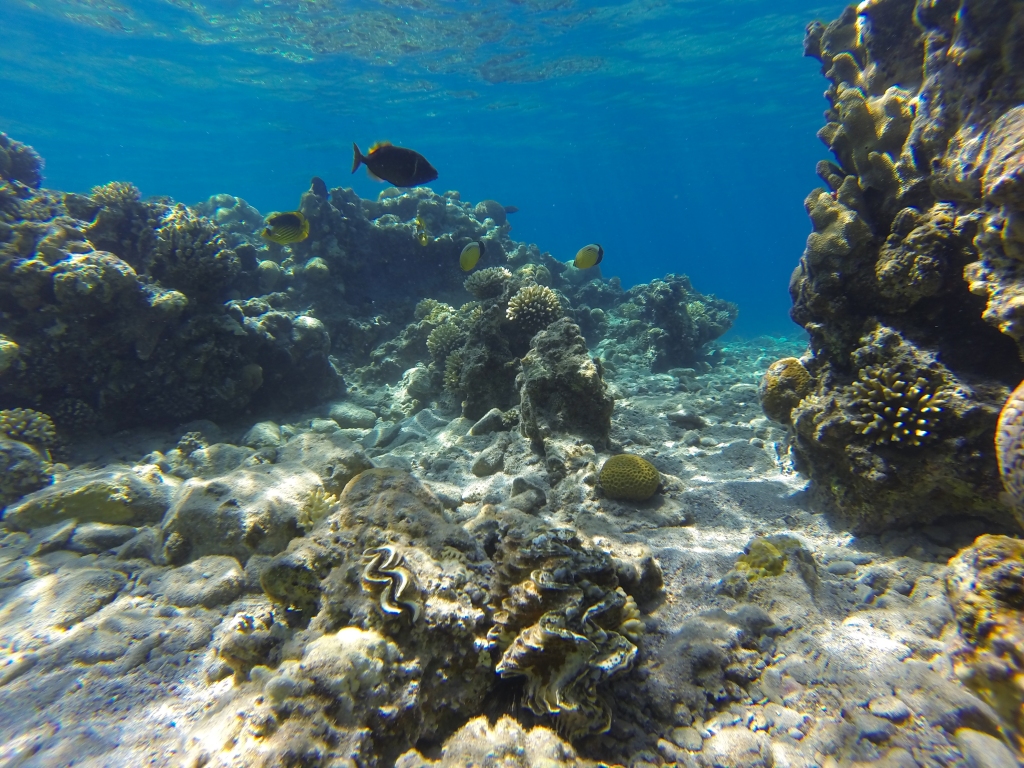
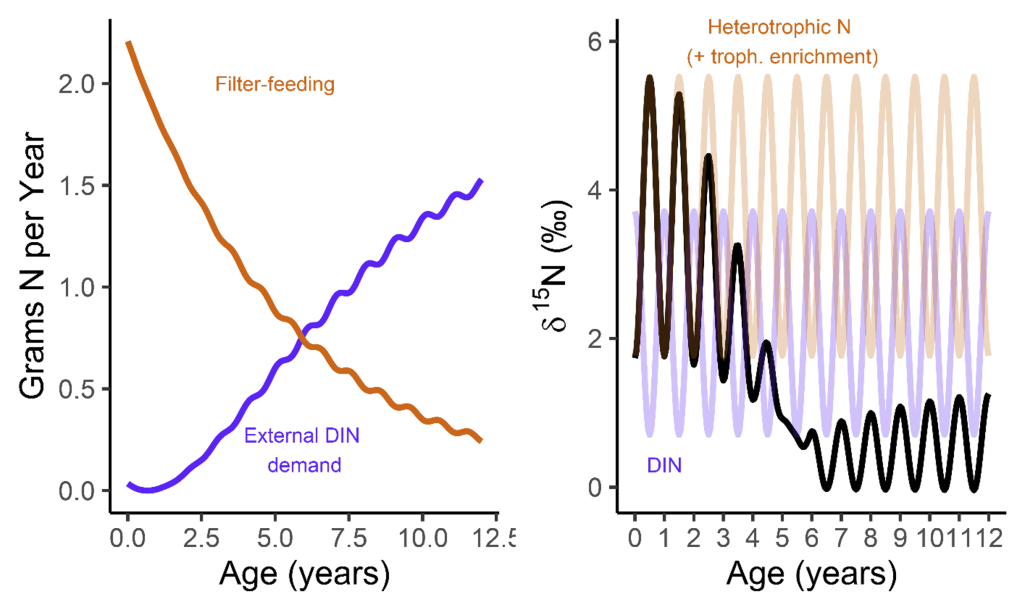
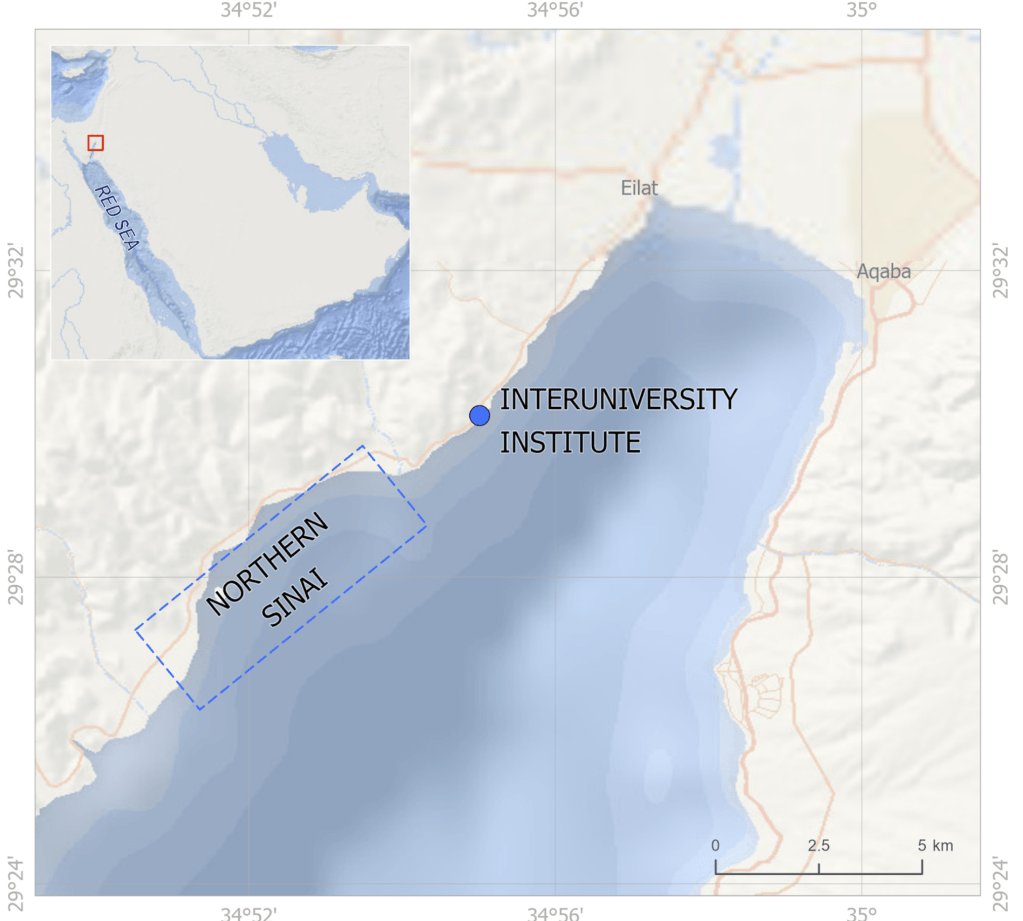


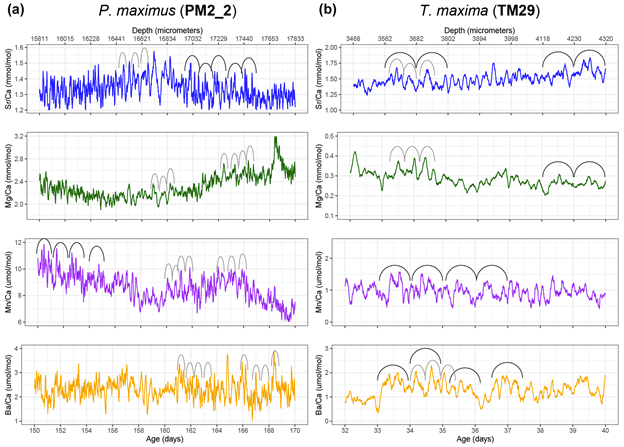
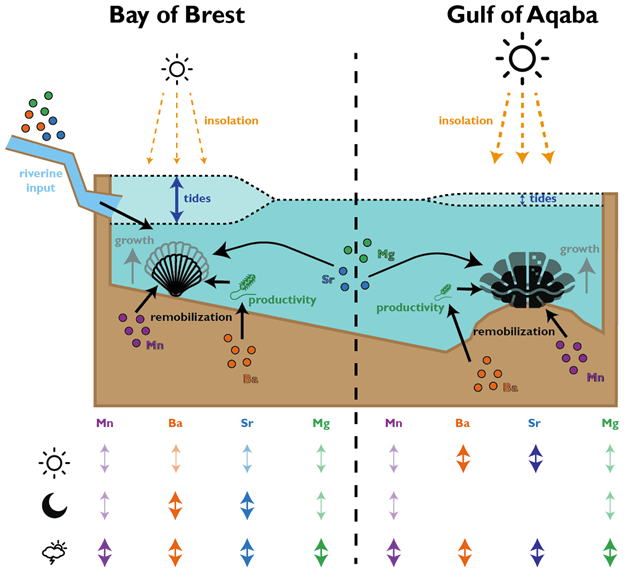
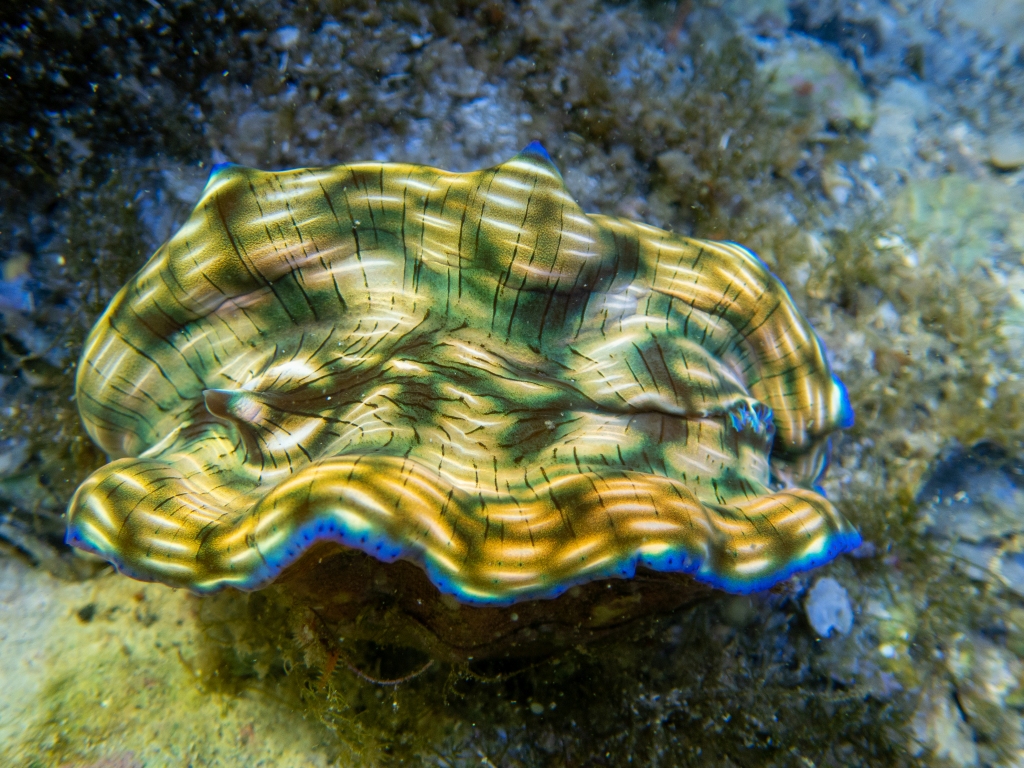
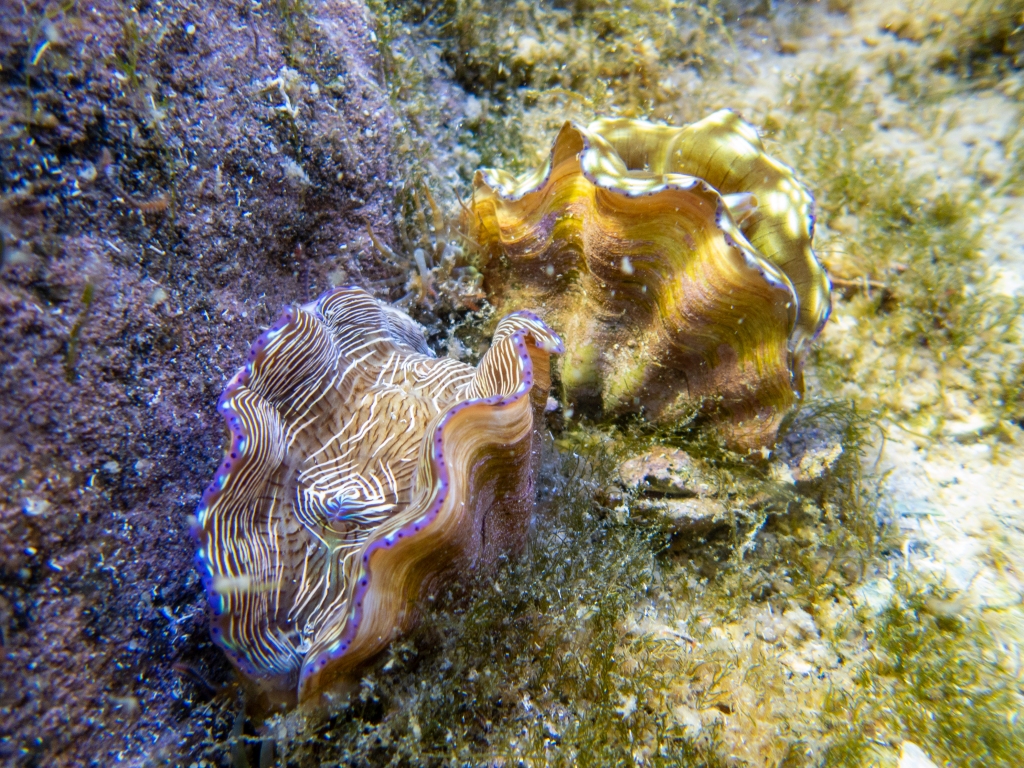
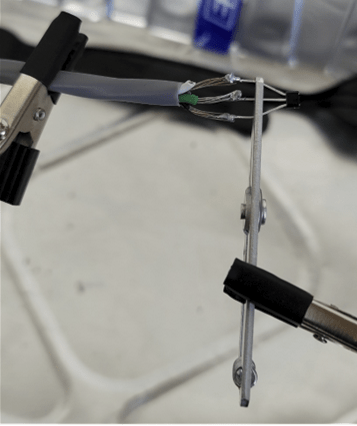
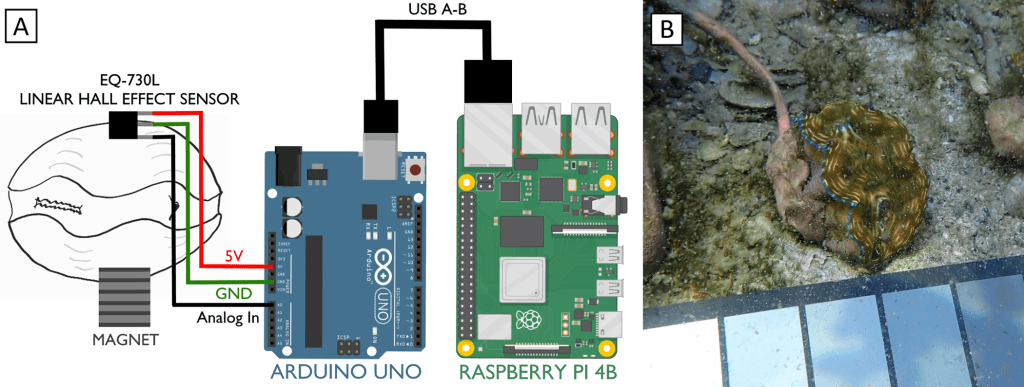


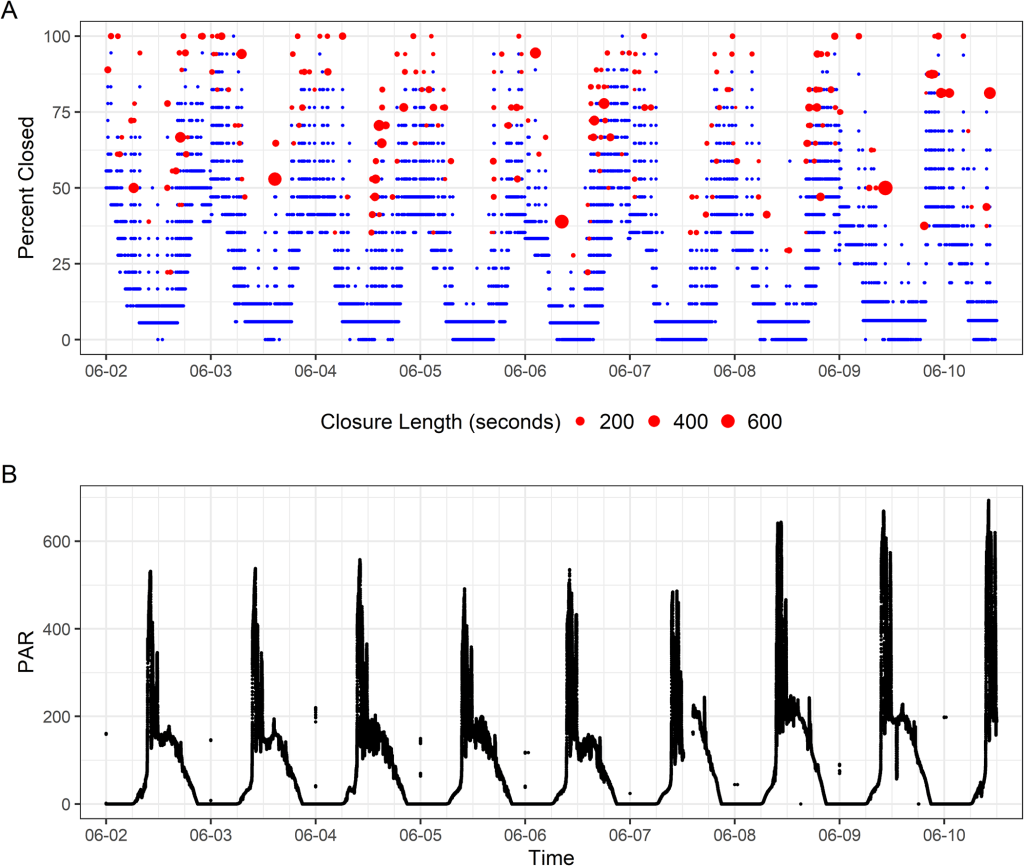
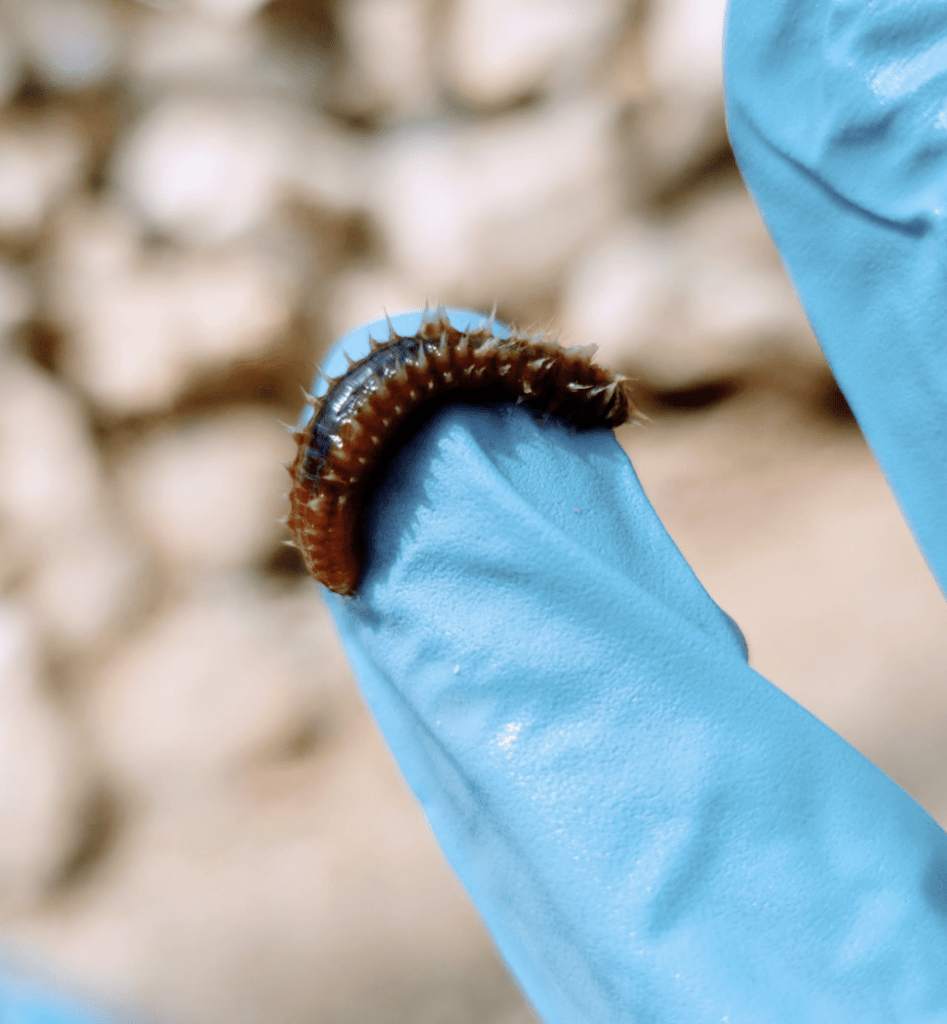


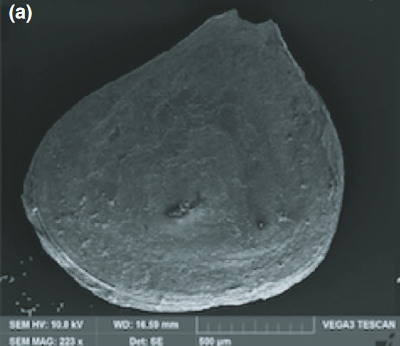

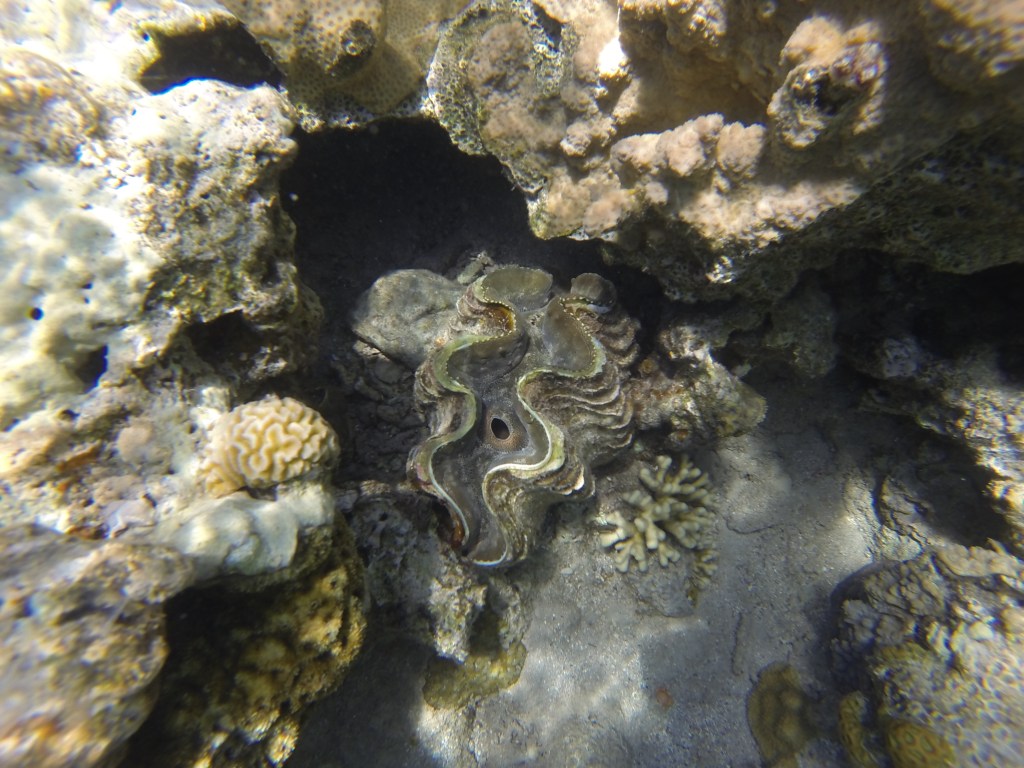
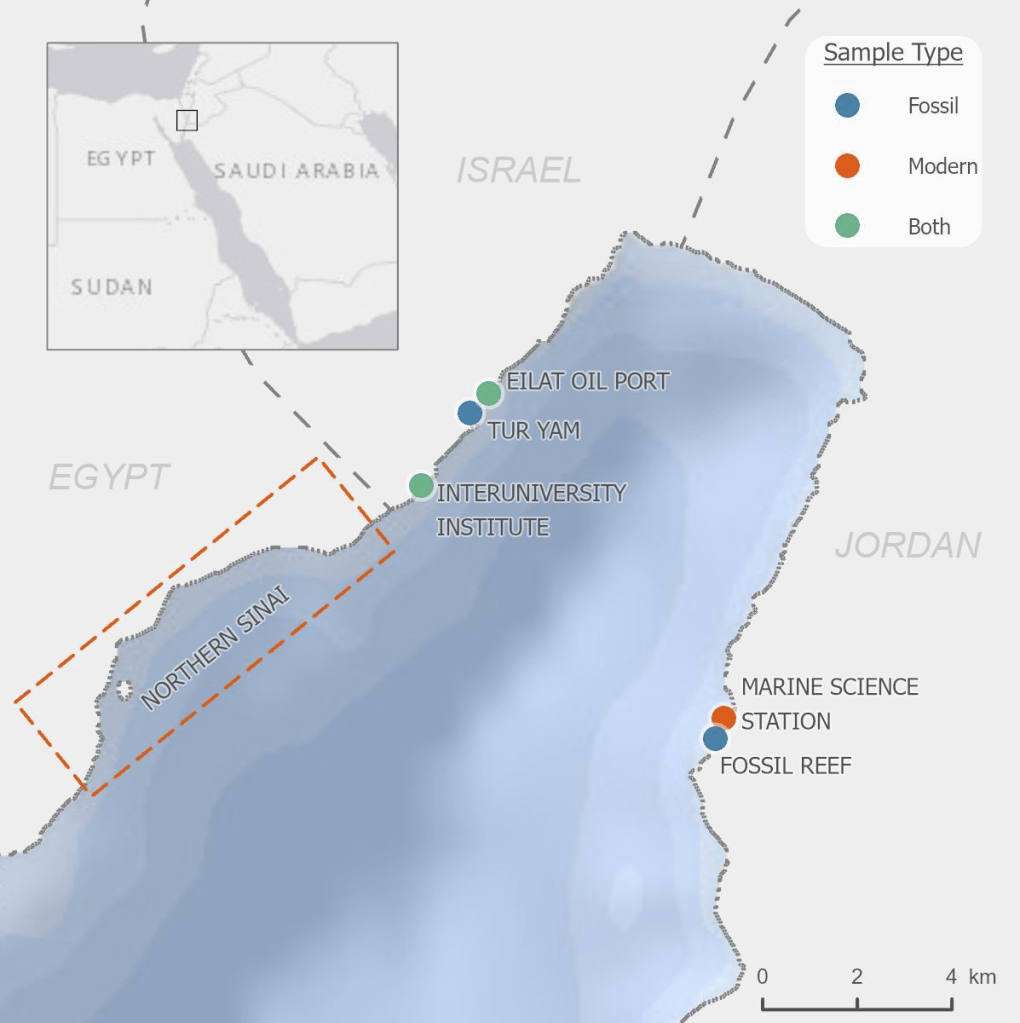
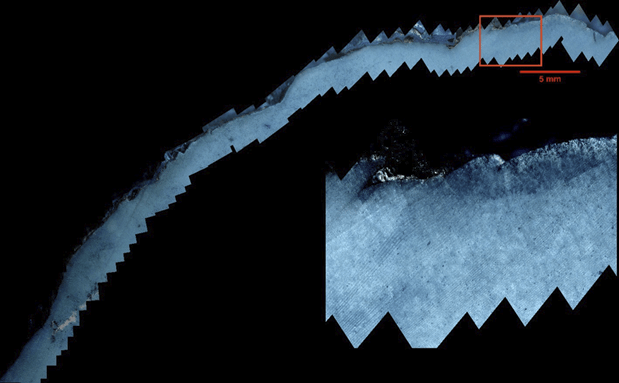
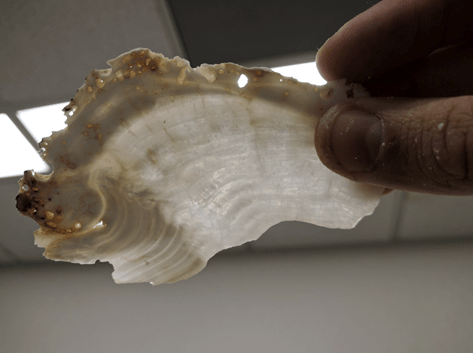
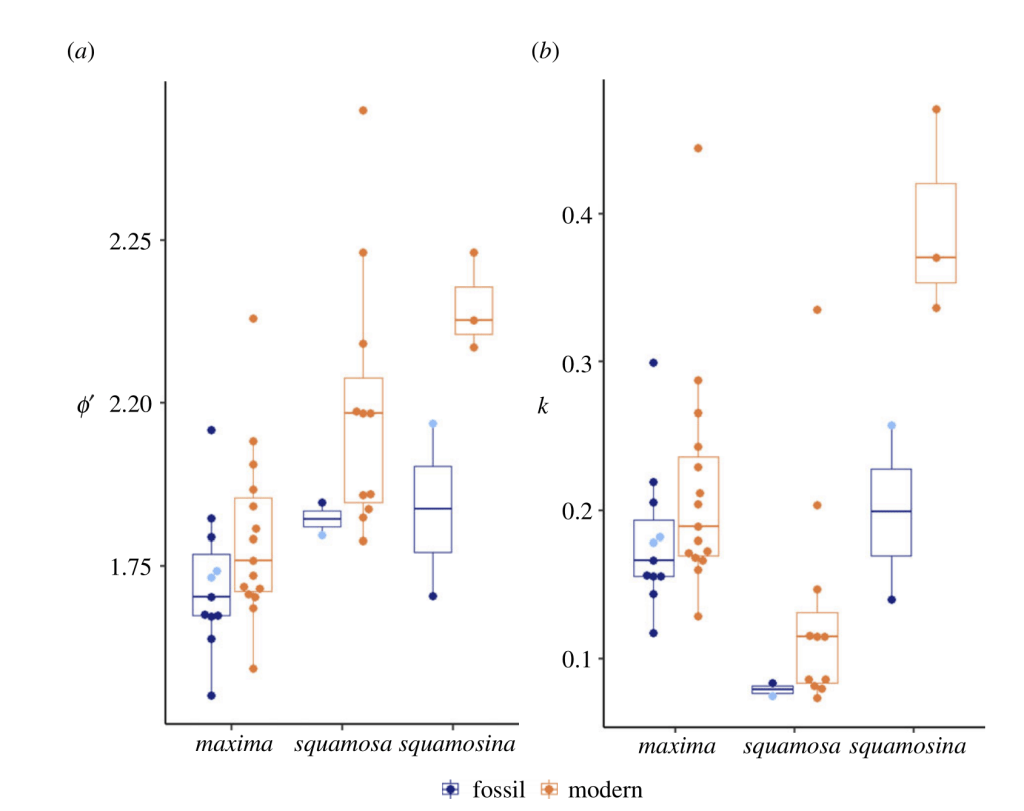
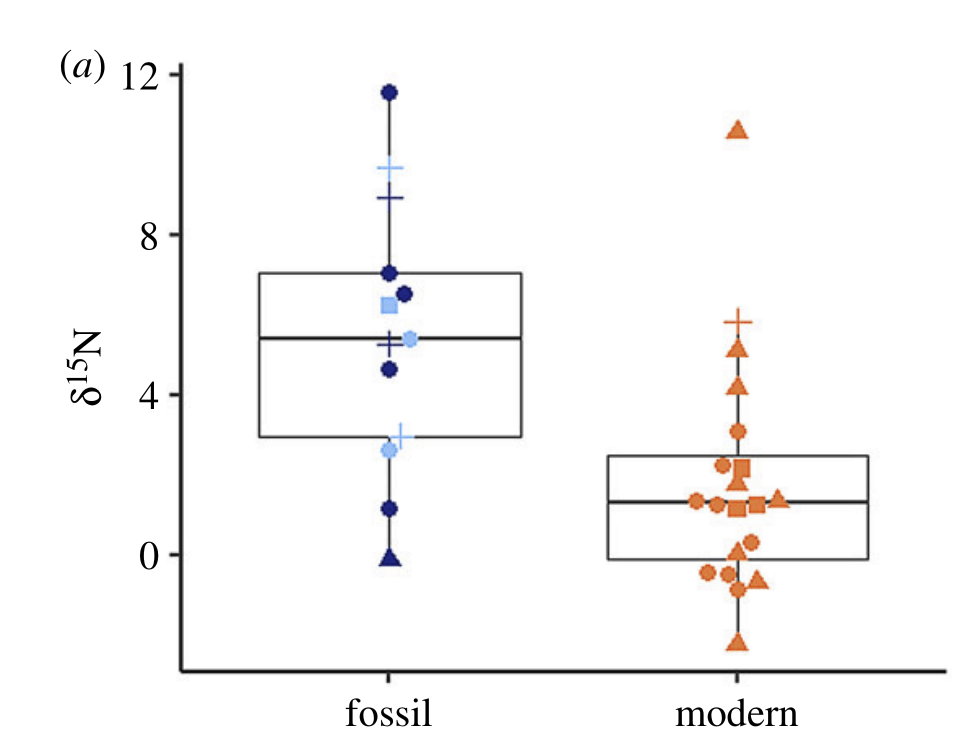
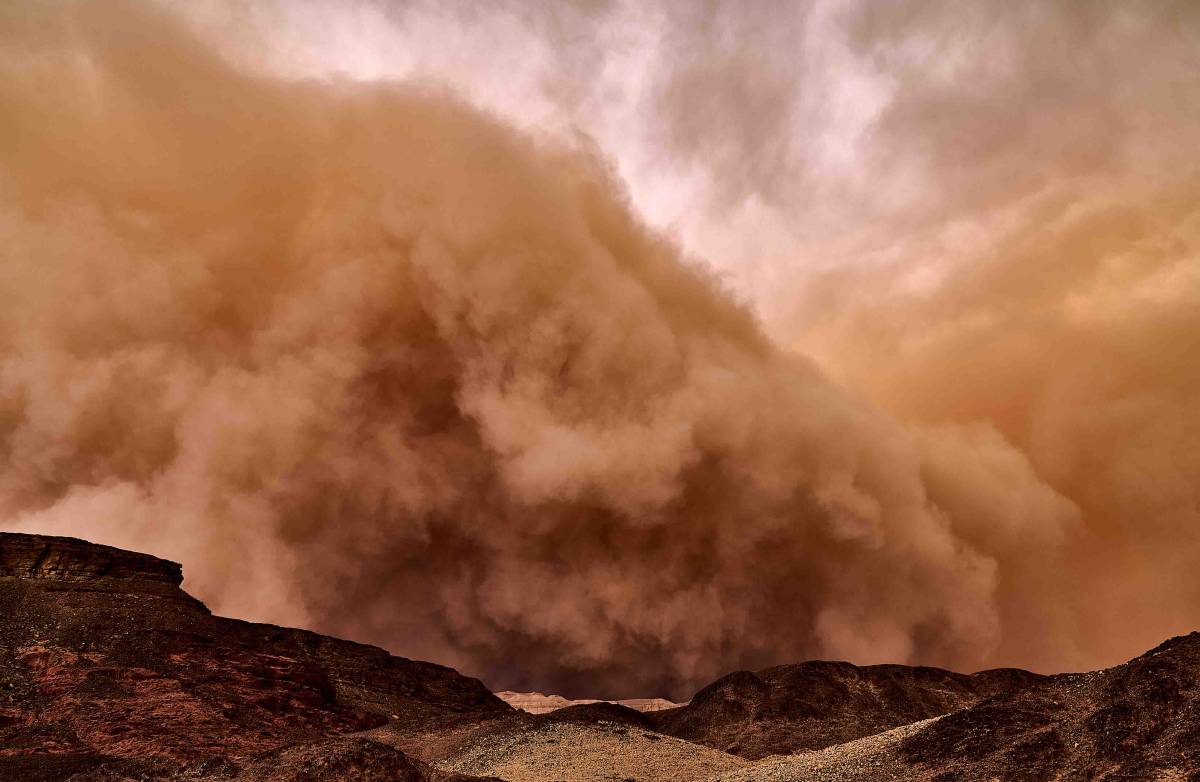


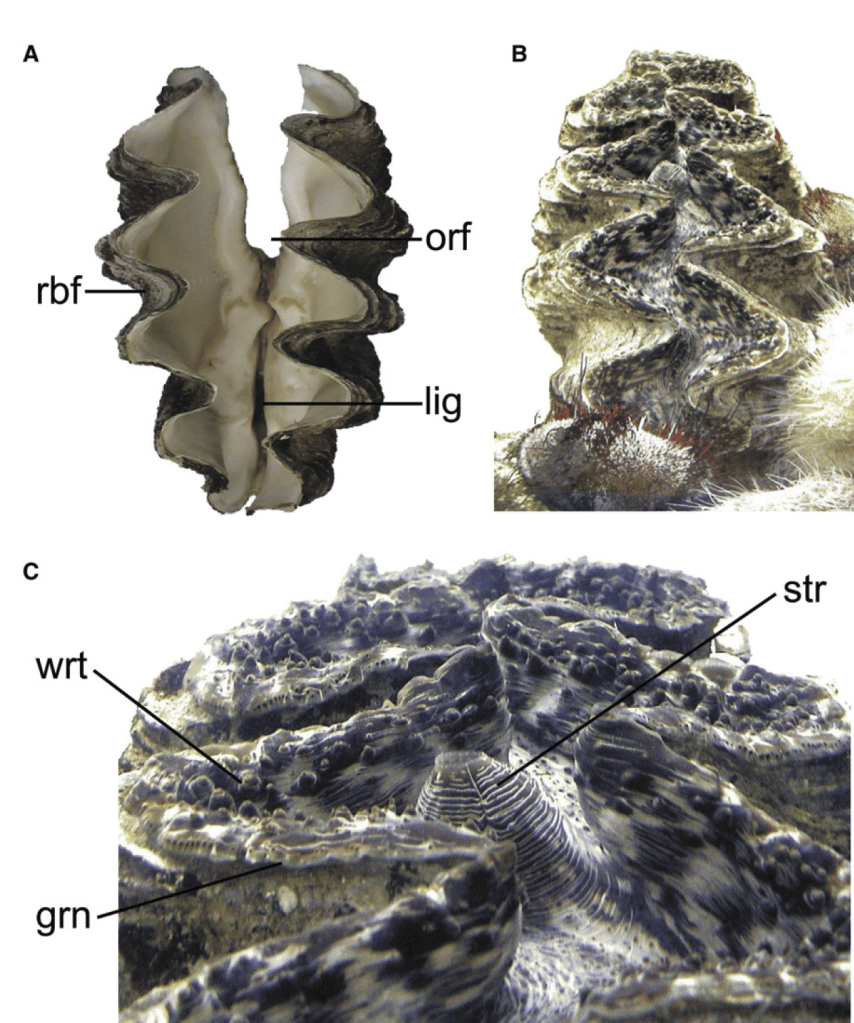


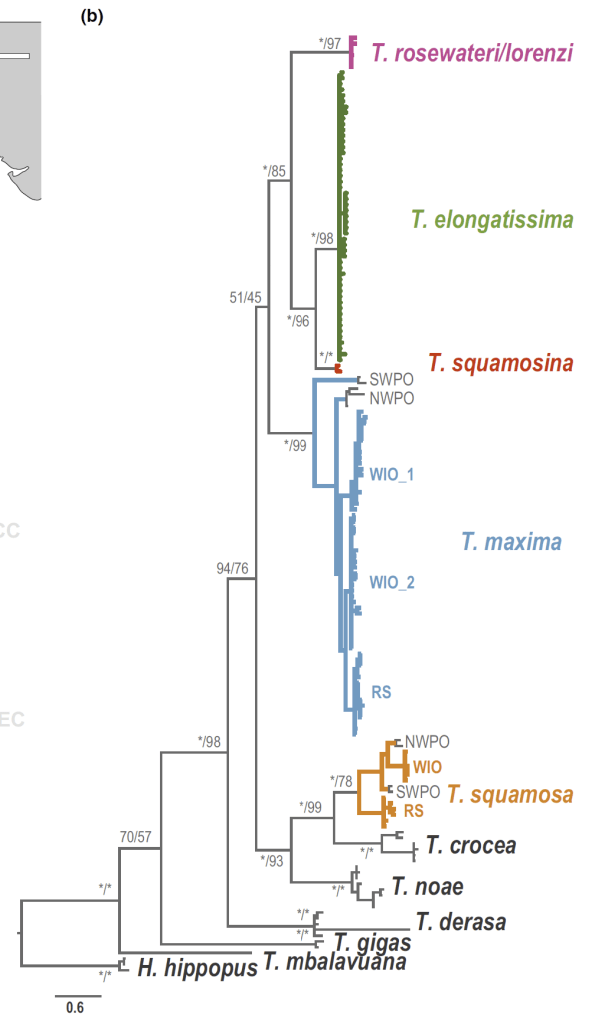
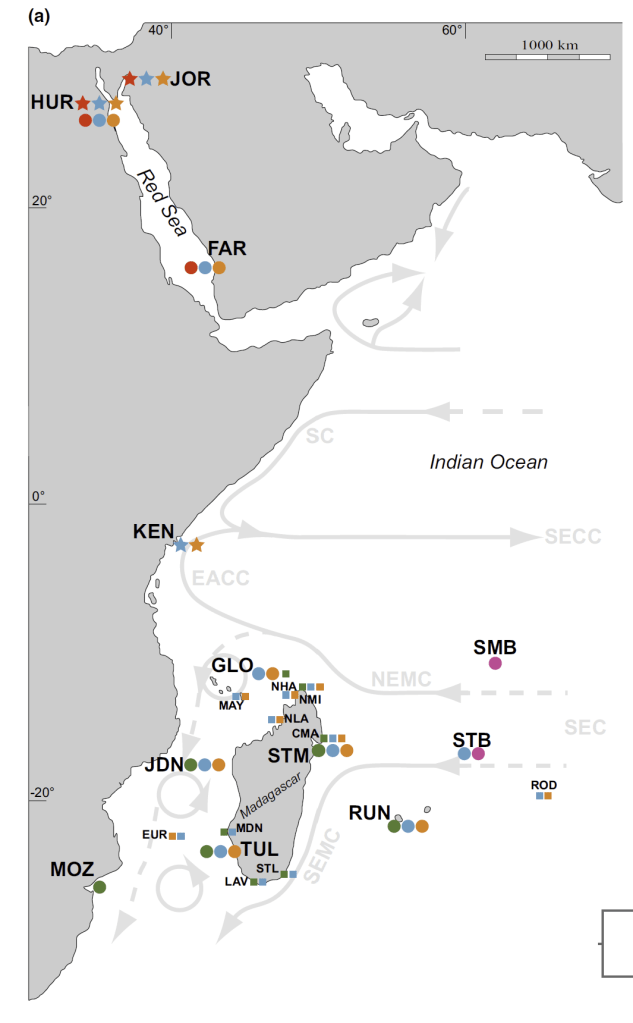
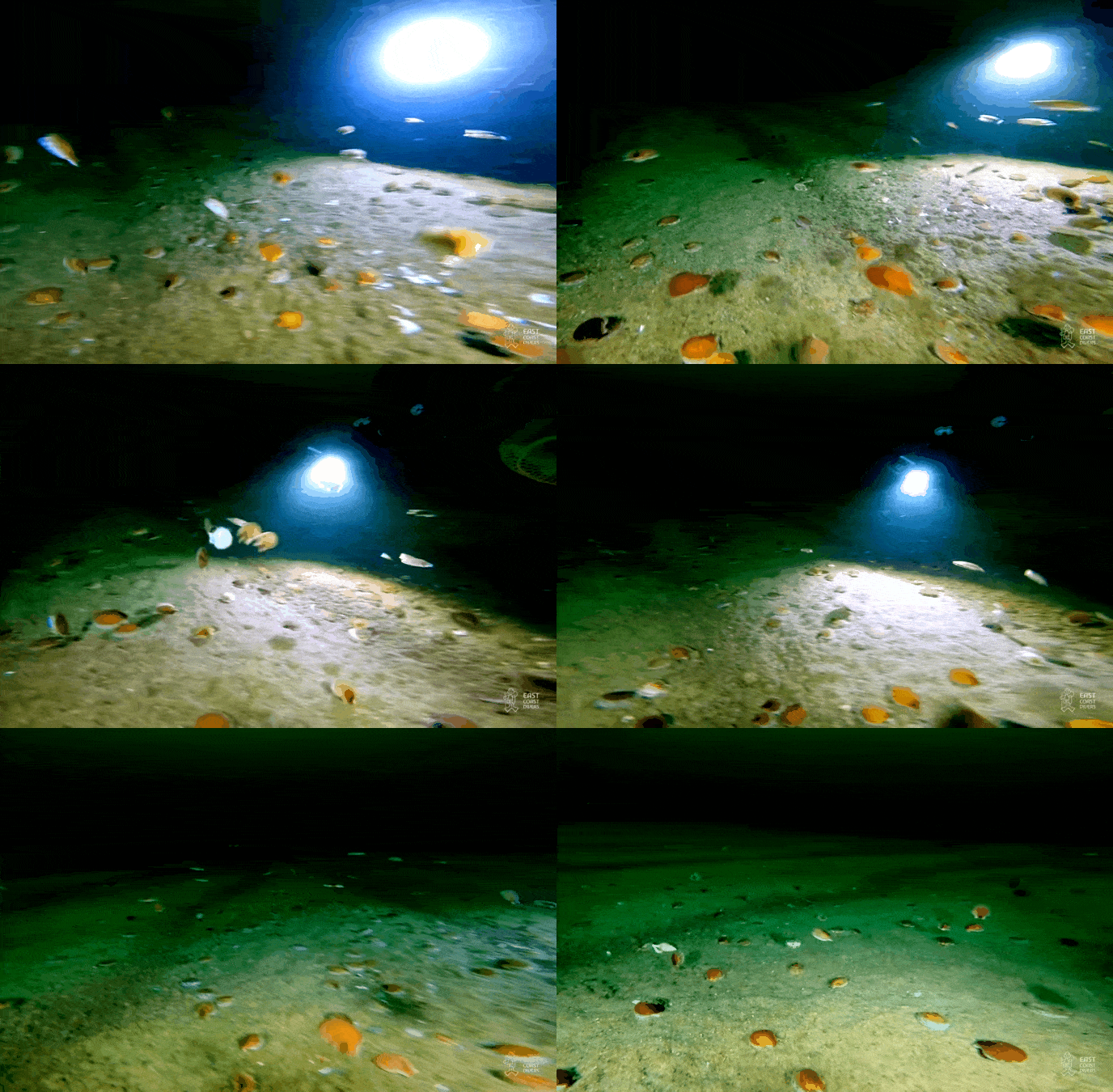

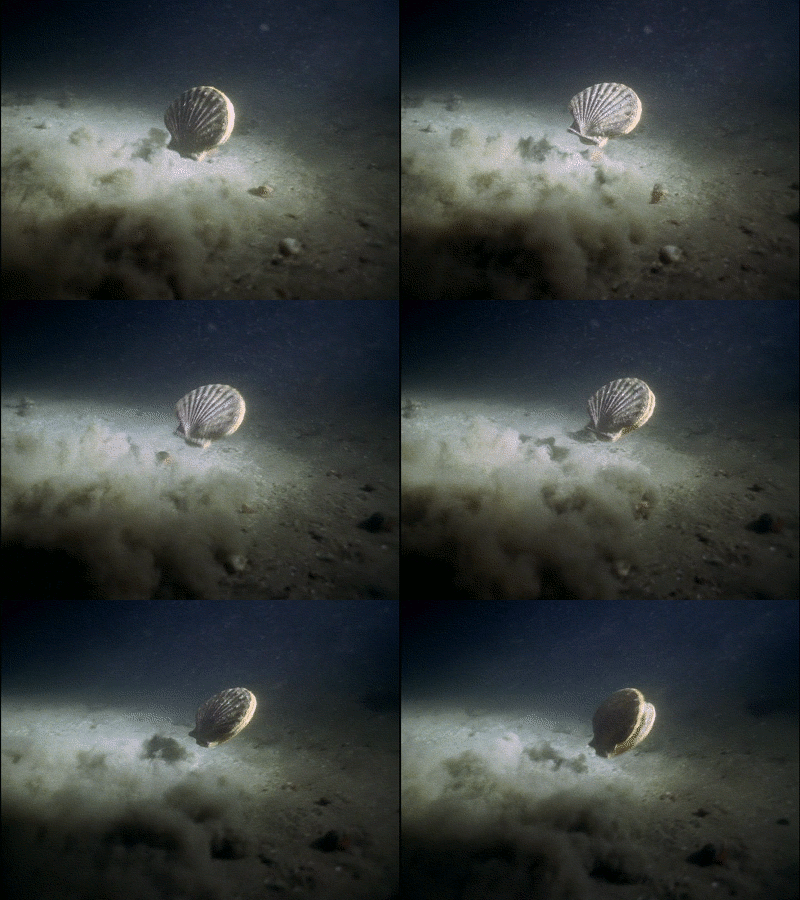
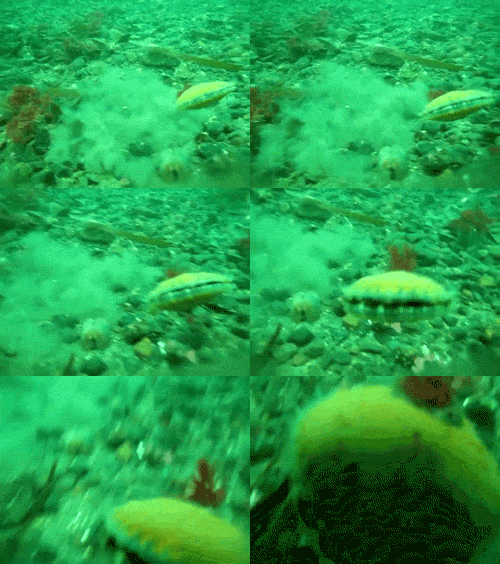
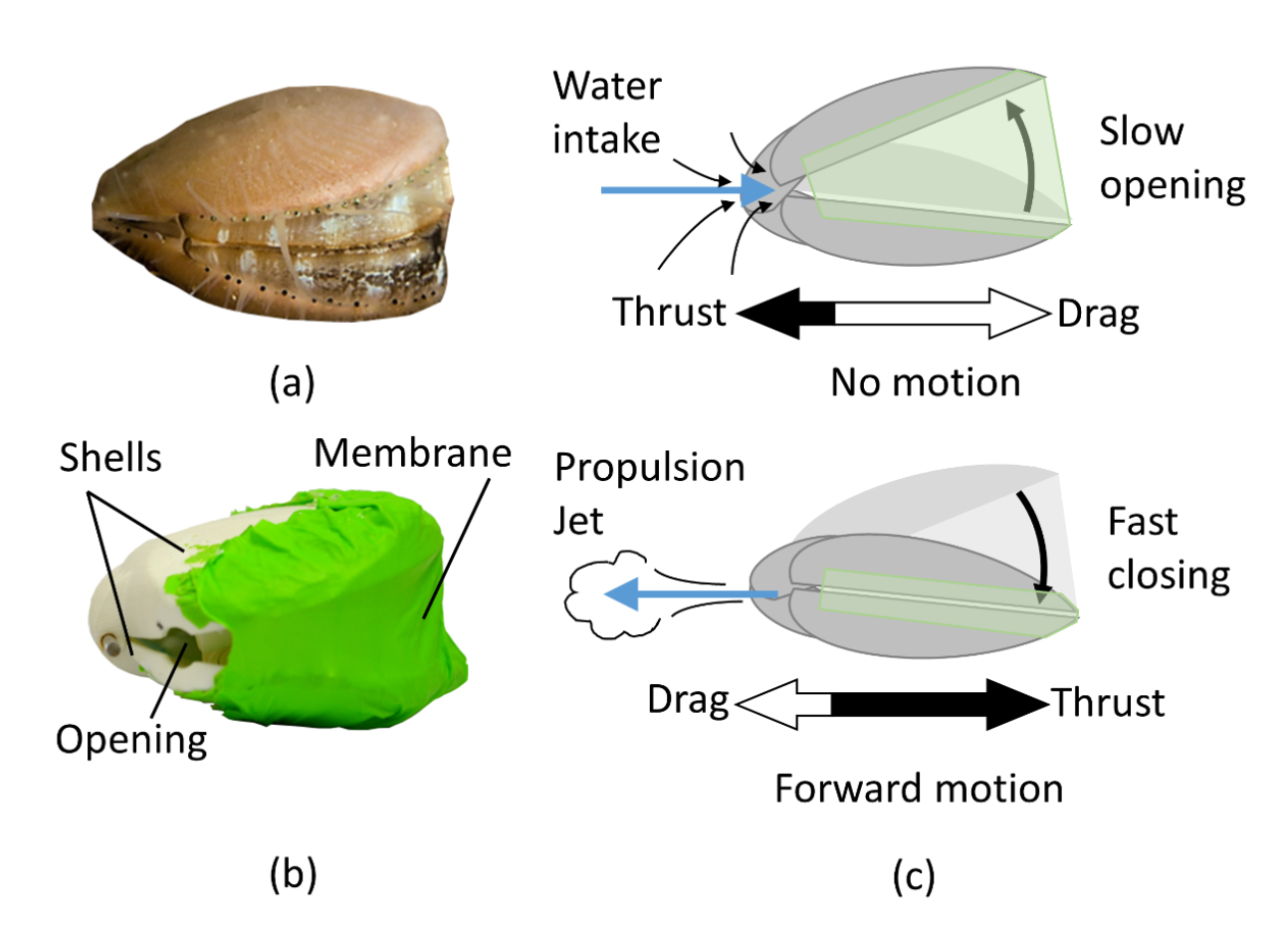
 Clamsplaining